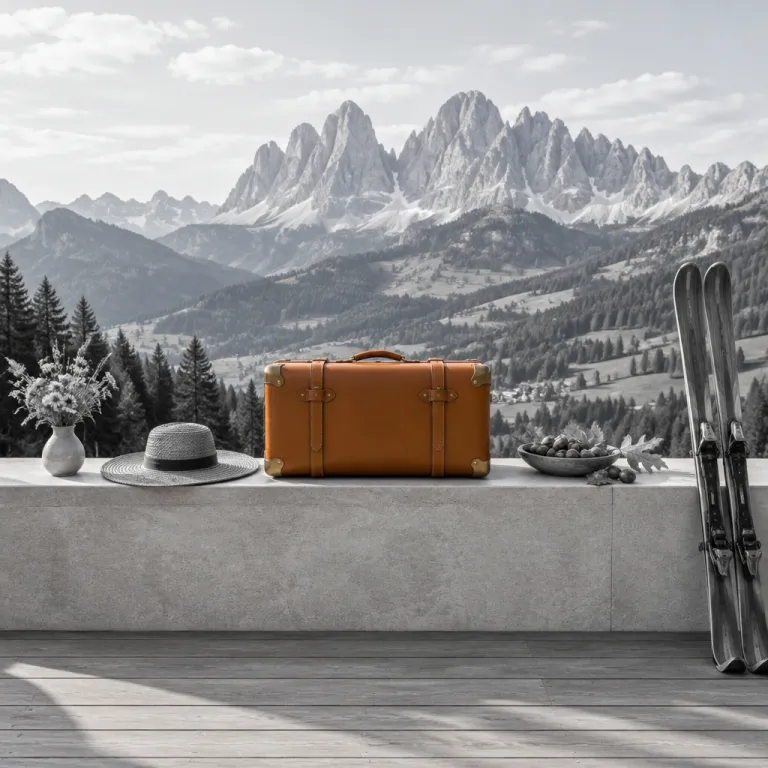
Reading the weather in the Italian Dolomites for a luxury stay
The weather in the Italian Dolomites defines the character of every stay. For guests choosing high end hotels, understanding each season helps match expectations with the right mountain atmosphere. Clear knowledge of local conditions also protects your plans for hiking, winter sports, and scenic drives.
Across the Dolomites, weather conditions shift quickly between sunny mornings and stormy afternoon skies. In summer, days often start bright and calm, then clouds build over each mountain ridge and the risk of showers will increase after lunch. Luxury travellers who read detailed forecasts and local radar maps usually enjoy more flexible hiking trips and better timed spa sessions.
In winter, the same mountain systems that bring powder to the slopes can close high passes and delay transfers between resorts. This is why the best time to visit Dolomites areas such as Cortina d’Ampezzo or Alta Badia depends on your tolerance for snow storms and cold. Before you book hotels, compare average min and max temperatures, daylight hours, and snow depth for each month in South Tyrol and the neighbouring provinces, using long term records from regional meteorological services.
Seasonal rhythms from June to September for hikers and scenic travellers
From June to September, the climate in the Dolomites usually favours hikers, cyclists, and scenic road trippers. Early June can still bring patches of snow on higher trails, while valley meadows around Alpe di Siusi and San Martino di Castrozza turn intensely green. By late June, most rifugios and mountain huts open, and the main hiking season begins in earnest.
During a typical June afternoon, temperatures in many Dolomites valleys sit in the mid teens to low twenties Celsius. On exposed mountain trails above 2 000 m, the min temperature can feel close to single digits when clouds roll in and wind picks up. For guests planning to visit Dolomites areas in early summer, packing layers and light waterproofs is more important than formal evening wear.
Luxury hotels often promote June September as a refined shoulder period with quieter spas, easier restaurant reservations, and softer room rates. This shoulder season perspective is reflected in booking data from local tourism offices, which show lower occupancy than July August. If you value calm trails, long days, and stable weather conditions, this can be the best time to combine hiking Dolomites itineraries with gourmet dining and wellness.
July and August in the Dolomites for active luxury travellers
High summer brings some of the most predictable weather patterns in the Italian Dolomites, along with the liveliest atmosphere. In July and August, almost all rifugios, huts, and cable cars operate, and every valley from Alta Badia to South Tyrol feels animated. For many visitors, this is the best time to balance hiking trips with cultural events, open air concerts, and long terrace lunches.
Typical Dolomites July patterns feature pleasantly warm days in the valleys and cooler air on the peaks. You might start a morning hike from Cortina d’Ampezzo in short sleeves, then need a light jacket by the time you reach Cinque Torri or the higher trails above Pale di San Martino. During July August, afternoon thunderstorms remain common, so plan serious hiking in the morning and reserve spa or pool time for later in the day.
Guests booking luxury hotels in Cortina d’Ampezzo often track detailed mountain weather reports before confirming dates. One long standing concierge at a five star property notes that many repeat visitors now “pick their week around the full moon and the long range forecast, then let us adjust activities day by day.” Whether you visit Dolomites valleys in peak summer or deep winter, aligning your preferred season with your activity level is the most reliable way to elevate a premium stay.
Winter weather, snow reliability, and refined ski stays
When winter arrives, the weather in the Italian Dolomites transforms the landscape into a sculpted white amphitheatre. Cold, dry air and frequent clear days create the famous pale light that photographers love. For luxury guests, this combination of generally reliable snow and bright skies underpins the region’s reputation for elegant winter sports holidays.
Resorts in South Tyrol, Alta Badia, and around San Martino di Castrozza benefit from extensive snowmaking that supports natural snowfall. Official Dolomiti Superski figures report artificial snow coverage on the vast majority of pistes, which significantly improves snow reliability for winter sports even during warmer spells. The min night temperatures usually drop well below freezing, which helps preserve snow quality on both gentle slopes and steeper trails.
Choosing the best time to ski depends on your priorities for crowd levels, snow depth, and daylight. Early in the season, you may enjoy quieter hotels and shorter lift queues, while mid winter brings the deepest snow and the coldest weather conditions. For those comparing refined bases, published guides to Cortina’s snow patterns and luxury stays illustrate how detailed forecasts and historical snow depth charts can shape a premium itinerary.
How weather shapes hiking routes, rifugios, and mountain huts
Every hiking season in the Dolomites is defined by the weather at altitude. When snow lingers late into June, some high level trails and via ferrata routes remain closed for safety. In contrast, a warm, dry spring will increase the number of accessible paths and open more rifugios earlier in the season.
On classic routes above Cortina d’Ampezzo, Cinque Torri, and Alpe di Siusi, mountain weather can change within minutes. Clear mornings may give way to clouds and showers by afternoon, especially in July August when convective storms are common. Responsible hikers read updated forecasts, carry layers, and always allow extra time to return to mountain huts before the sky closes in.
Luxury travellers often combine guided hiking Dolomites experiences with stays in refined hotels that coordinate transfers to trailheads and rifugios. In areas such as Pale di San Martino and the high plateaus above Alta Badia, the best time to start demanding hiking trips is usually early morning. By aligning your time visit with the most stable season and by respecting local advice on weather conditions from Alpine guides and hut wardens, you protect both comfort and safety.
Planning luxury hotel bookings around Dolomites microclimates
Microclimates across the Dolomites mean that conditions can differ sharply between valleys. South facing slopes near South Tyrol often feel warmer and drier than shaded basins under the highest peaks. When you visit Dolomites areas for a premium stay, these subtle differences influence terrace dining, pool use, and even room selection.
In Alta Badia, long sunny days in summer favour south facing suites with balconies, while in Cortina d’Ampezzo some guests prefer cooler, forest facing rooms. Around Alpe di Siusi, the open plateau exposes hotels and mountain huts to more wind, which can lower the perceived min temperature in the evening. Reading detailed climate charts for each valley, such as those published by provincial tourism offices and local weather stations, helps you choose the best time and the most suitable property for your comfort profile.
For travellers combining the Dolomites with other Alpine regions, understanding transfer routes and passes is equally important. When planning where to stay near major crossings, regional guides to selecting the right base around Courmayeur illustrate how location and weather interact. By matching your chosen season with the specific microclimate of each valley, you refine both your itinerary and your hotel shortlist.
Aligning activities, daylight, and comfort with Dolomites weather
For luxury and premium travellers, the weather in the Italian Dolomites is not just a backdrop; it is a planning tool. The length of days, the timing of afternoon storms, and the typical min and max temperatures all shape how you structure each day. When you understand these patterns, you can align spa appointments, gourmet dinners, and guided excursions with the most pleasant hours.
In summer, many guests schedule early starts for hiking trips, then return to hotels by mid afternoon as the chance of storms will increase. This rhythm works especially well in areas such as Cinque Torri, Pale di San Martino, and the high meadows of Alpe di Siusi. In winter, the same principle applies to winter sports, with first lifts offering the best snow conditions and quieter pistes.
Across every season, the best time to visit Dolomites valleys depends on your personal balance between activity and relaxation. Those who prioritise hiking season flexibility may favour June September, while snow enthusiasts focus on the heart of winter. By reading reliable forecasts, respecting mountain weather, and choosing hotels that adapt services to changing conditions, you elevate both safety and comfort.
Key figures about Dolomites climate and travel planning
- Average July daytime temperatures in many Dolomites valleys range from about 18 °C to 24 °C, while typical min night values drop to around 10 °C, creating comfortable conditions for both hiking and terrace dining (based on long term station data from regional meteorological agencies).
- Snowmaking covers a very high proportion of pistes in the Dolomiti Superski area, which significantly improves snow reliability for winter sports even during warmer spells (according to official statistics released by Dolomiti Superski operators).
- Tourism offices in South Tyrol and neighbouring Dolomites regions often highlight the high number of sunny days per year, reflecting the bright, relatively dry character of the local climate (figures vary slightly between valleys and published sources).
- Many high altitude rifugios and mountain huts operate roughly from mid June to late September, aligning their opening with the safest hiking season and the most stable weather conditions (based on typical calendars issued by Alpine clubs and hut associations).
- Peak visitor numbers in July August can be more than double those in June or late September in major hubs such as Cortina d’Ampezzo, which directly affects hotel availability and pricing (figures reported by local tourism statistics offices and regional visitor surveys).
| Valley / Area | Typical July max | Typical January max | Notes for luxury stays |
|---|---|---|---|
| Cortina d’Ampezzo | 21–23 °C | −2–0 °C | Warm summer days, crisp winter light, busy peak periods. |
| Alta Badia | 18–22 °C | −4–−1 °C | Slightly cooler, excellent snowmaking, refined hotels. |
| Alpe di Siusi | 17–21 °C | −5–−2 °C | Exposed plateau, more wind, wide open views. |
FAQ about weather in the Italian Dolomites for luxury stays
What is the best time to visit the Dolomites for comfortable hiking ?
The most comfortable hiking season usually runs from late June to late September, when most snow has melted from higher trails and rifugios are open. July and August offer the warmest days but also more afternoon storms and crowds. For quieter paths and still reliable weather conditions, many experienced travellers favour late June or mid September.
How quickly can mountain weather change in the Dolomites ?
Mountain weather in the Dolomites can shift within 30 to 60 minutes, especially on warm summer days. Clear skies in the morning may give way to clouds, wind, and thunderstorms by afternoon, particularly in July August. This volatility means you should always read updated forecasts, carry layers, and avoid committing to long exposed routes late in the day.
Are winter temperatures very extreme in Dolomites ski resorts ?
In most major ski resorts such as Cortina d’Ampezzo, Alta Badia, and areas of South Tyrol, winter daytime temperatures on the slopes often range from about −5 °C to +5 °C. Nights can be significantly colder, which helps preserve snow quality for winter sports. Luxury hotels usually offset the cold with high quality insulation, spa facilities, and heated pools.
Do all Dolomites valleys share the same climate ?
Different valleys in the Dolomites experience distinct microclimates due to altitude, orientation, and local geography. South facing slopes and lower valleys tend to be warmer and drier, while shaded basins and high plateaus such as Alpe di Siusi can feel cooler and windier. When planning a premium stay, it is wise to compare climate data for each specific valley rather than relying on a single regional average.
How should I plan hotel bookings around Dolomites weather patterns ?
Start by deciding whether your priority is hiking, winter sports, or scenic relaxation, then match that goal with the most suitable season. Check long term climate averages for your chosen valley, then read short term forecasts before finalising transfers and outdoor activities. Booking flexible rates at luxury hotels that offer concierge support for weather dependent plans gives you the best balance between security and spontaneity.