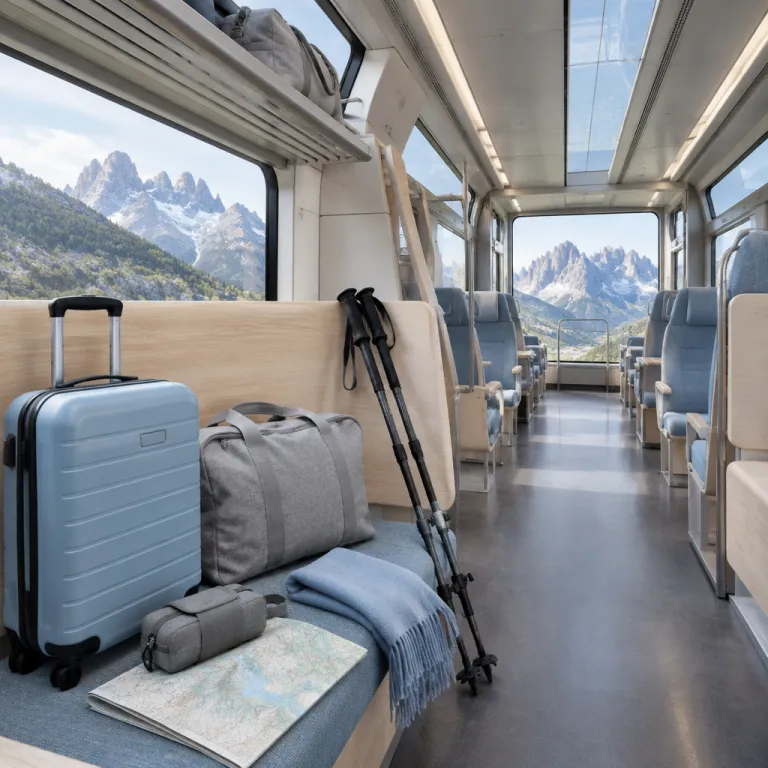
Planning how to get to the Dolomites for a luxury stay
Understanding how to get to the Dolomites is the first step toward a seamless luxury trip. For high end travellers, the best routes balance efficient travel time, minimal transfers, and easy access to premium hotel options across each val and mountain village. This min read focuses on concrete routes, realistic hours, and how to align your arrival with the rhythm of an elegant stay in Italy.
Most international guests start their trip by flying into a major airport such as Venice Marco Polo, Verona, Innsbruck, or Munich, then continue by train, car, private transfer, or bus. When you plan your journey into the Dolomites, decide early whether you prefer the flexibility of a rental car or the comfort of curated public transport connections, because this choice will shape your itinerary and hotel selection. Luxury travellers often combine a scenic road trip with a few strategic train segments, which keeps the journey relaxed while still allowing access to remote hiking areas and refined mountain retreats.
From Venice, the eastern Dolomites are particularly accessible, which makes Venice Marco Polo Airport a frequent entry point for guests heading to Cortina, Cortina d’Ampezzo, or Alta Badia. If you are planning to visit Dolomites valleys such as Val Gardena, Val Funes, or Alpe di Siusi, you might instead prefer to arrive via Bolzano or Verona, where premium car rental desks and private transfer services are well established. Whatever your route, think in terms of travel stages of two to three hours each, so that every day of your trip feels measured, comfortable, and aligned with the standards of a luxury hotel stay.
Arriving via Venice and reaching the eastern Dolomites in style
For many travellers, Venice is the most romantic starting point when deciding how to get to the Dolomites. Venice Marco Polo Airport offers frequent international connections, efficient baggage services, and a wide choice of rental car and private transfer providers, which is ideal for guests heading toward the eastern Dolomites. From the lagoon to the first mountain passes, you can expect a driving time of around two and a half to three hours, depending on traffic and season.
If you prefer not to drive a car, the Cortina Express coach service links Venice and Cortina d’Ampezzo several times per day. This bus option is popular with guests who value door to door comfort and who plan to rely on public transport and hotel shuttles once they visit Dolomites resorts such as Cortina, Tre Cime, or Lago Sorapis. Many five star hotel concierges in Cortina and Alta Badia can arrange a private transfer from Venice, which often includes a meet and greet at the airport and a direct ride to your suite with minimal waiting time.
Wellness focused travellers sometimes pair a few nights in Venice with a spa oriented Alpine escape, timing their arrival to coincide with quieter periods in the mountains. For inspiration on how to align your transfer with a serene wellness window, you can look at this guide to late summer Alpine spa stays, then adapt the same principles when you plan how to get to the Dolomites. One Cortina concierge describes the ideal arrival as “landing before lunch, enjoying a light meal in Venice, then driving up in the late afternoon when the passes are quieter and the light turns golden.” Whether you choose a rental car, a scheduled bus, or a chauffeured private transfer, the key is to book early, confirm your hotel’s check in time, and allow a margin of one or two hours for unexpected delays along the road.
Reaching Val Gardena, Alpe di Siusi, and South Tyrol from Bolzano
Travellers who focus on Val Gardena, Alpe di Siusi, or Val Funes often ask how to get to the Dolomites in a way that feels both efficient and scenic. In this case, Bolzano acts as the main gateway to South Tyrol, with excellent road links, regional train services, and a refined hospitality culture that understands luxury expectations. From Bolzano, the drive to Ortisei in Val Gardena usually takes around 45 minutes, while Alpe di Siusi and Val Funes are reachable in roughly one to one and a half hours by car.
Arriving by train is a comfortable option for long distance travel across Italy, especially if you start from cities such as Milan, Verona, or Rome. Once you reach Bolzano by rail, you can continue your trip by rental car, private transfer, or public transport buses that climb into each val and mountain village, although the most exclusive hotels tend to recommend a car or chauffeured service for maximum comfort. When planning how to get to the Dolomites for a multi day hiking holiday, consider splitting your stay between Val Gardena and Alpe di Siusi, because this combination offers both dramatic peaks and gentle meadows.
Guests who appreciate curated journeys sometimes combine a South Tyrol stay with another iconic Alpine destination, using similar logistics to those described in this article on reaching Zermatt in style. The same principles apply when you visit Dolomites valleys such as Val Gardena or Val Funes : align your arrival time with hotel check in, choose a car rental category that suits mountain roads, and allow extra hours for photo stops at viewpoints like Lago di Carezza or the passes above Ortisei. As a practical guideline, many travellers book private transfers from Bolzano station at least two weeks in advance in high season, which ensures a smooth transition from train to hotel lobby.
Luxury friendly routes to Cortina d’Ampezzo, Tre Cime, and Lago di Braies
Cortina d’Ampezzo remains one of the best known names when travellers research how to get to the Dolomites for a glamorous stay. The town sits in the heart of the eastern Dolomites, which makes it a strategic base for day trips to Tre Cime di Lavaredo, Lago di Braies, and Lago Sorapis, all of which are among the most photographed mountain locations in Italy. Driving a car from Venice Marco Polo Airport to Cortina usually takes around two and a half hours, while a private transfer can be slightly faster and far more relaxing.
Once you arrive in Cortina, you can rely on a mix of public transport, hotel shuttles, and guided excursions to reach the main hiking areas. For example, buses and private transfers operate toward the Tre Cime and Cime Lavaredo trailheads, while Lago di Braies and Lago Sorapis are often included in full day guided tours that depart from Cortina’s central bus station. If you prefer to maintain full control over your schedule, a rental car or a carefully planned road trip allows you to reach sunrise or sunset viewpoints with precise timing, which is particularly valuable for photographers and couples seeking quiet moments.
Luxury travellers who enjoy high altitude design hotels sometimes extend their journey beyond the Dolomites, exploring other elevated resorts that share a similar standard of service. A good example is the refined property at Val Thorens described here as a refined Alpine stay in a high altitude ski domain, which illustrates how thoughtful logistics can elevate the entire experience. Apply the same mindset when you plan how to get to the Dolomites : coordinate your arrival hours with spa bookings, restaurant reservations, and any private hiking guide you may have engaged for Tre Cime or Lago di Braies.
Choosing between car, train, bus, and private transfer
When guests ask how to get to the Dolomites in the most comfortable way, the answer usually depends on their priorities. A rental car offers maximum flexibility for a road trip across multiple val areas, while trains and buses provide a more sustainable approach that still works well if your hotel offers transfers. Private transfer services sit at the top of the comfort scale, especially for travellers arriving at an airport after a long haul flight.
Driving a car in the Dolomites is straightforward for confident drivers, but you should be prepared for narrow mountain roads, hairpin bends, and variable weather, especially outside summer. If you plan to visit Dolomites highlights such as Val Gardena, Val Funes, Alpe di Siusi, Tre Cime, or Lago Sorapis in a single trip, a carefully planned road trip can save hours compared with relying only on public transport, particularly when you want to reach trailheads early in the day. Always check whether your hotel offers secure parking, valet service, or electric charging, because these details make a real difference at the luxury level.
For guests who prefer not to drive, combining train and bus segments is entirely feasible, especially in South Tyrol where public transport is well coordinated. You might, for example, take a train to Bolzano, then a bus or private transfer to your hotel in Val Gardena, followed by guided hiking excursions that include transport to Alpe di Siusi or Cime Lavaredo. As a rule of thumb, booking long distance train tickets and key private transfers four to six weeks ahead of peak summer or winter dates keeps your travel time predictable, reduces stress, and allows you to enjoy the mountain scenery without focusing on the road.
Aligning transport with luxury hotels, hiking plans, and seasons
Understanding how to get to the Dolomites is only part of the equation ; aligning your route with hotel choices and hiking ambitions is equally important. High end properties in areas such as Val Gardena, Alta Badia, Cortina d’Ampezzo, and Alpe di Siusi often provide concierge teams who can coordinate private transfer services, luggage handling, and even helicopter transfers in some cases. When you book, share your full travel plan, including flight times, train numbers, and expected arrival hours, so the hotel can anticipate your needs.
If your main goal is hiking, consider basing yourself in one or two strategic valleys rather than changing hotel every day. For example, a three or four night stay in Val Gardena gives easy access to Alpe di Siusi, Seceda, and several panoramic passes, while a similar stay in Cortina allows day trips to Tre Cime, Lago di Braies, and Lago Sorapis without excessive travel time. This structure reduces packing stress, keeps transfers efficient, and lets you enjoy the best of each mountain area at a relaxed pace.
Seasonality also affects how to get to the Dolomites, because winter snow, summer traffic, and shoulder season closures can change both driving conditions and public transport timetables. In peak summer, some roads near Tre Cime, Cime Lavaredo, and Lago di Braies operate with quotas or shuttle systems, which makes advance planning essential, especially if you rely on a bus or shared transfer. During quieter months, you may find fewer services but more attentive hotel staff, who can often arrange bespoke solutions such as flexible private transfers or tailored hiking guide services.
Sample itineraries for refined Dolomites trips from key gateways
To make the question of how to get to the Dolomites more concrete, it helps to look at sample itineraries from major gateways. From Venice Marco Polo Airport, a classic five day trip might include two nights in Cortina d’Ampezzo for Tre Cime and Lago Sorapis, followed by three nights in Alta Badia or Val Gardena for gentler hiking and spa time. In this scenario, you could use a rental car for full flexibility or rely on a mix of Cortina Express, local buses, and hotel transfers if you prefer not to drive.
From Bolzano, a refined seven day itinerary could focus entirely on South Tyrol, with three nights in Val Gardena, two nights in Alpe di Siusi, and two nights in Val Funes. You would arrive by train, continue by private transfer to your first hotel, then use a combination of guided hikes and short car or bus rides to reach viewpoints, mountain huts, and panoramic plateaus. This approach keeps daily travel time under two hours, which is ideal for guests who value slow mornings, long lunches, and unhurried spa sessions.
Travellers arriving from further afield in Italy, such as Rome or Naples, might choose to take a high speed train to Verona or Bolzano, then continue by car rental or chauffeur. In each case, the key is to think of your trip as a sequence of elegant transitions rather than a race between airports, stations, and hotels, because this mindset aligns perfectly with the spirit of a luxury Alpine stay. When every transfer feels as considered as your choice of hotel or hiking guide, the journey to the Dolomites becomes part of the pleasure rather than a logistical hurdle.
Key figures on access and travel times in the Dolomites
- Driving time from Venice Marco Polo Airport to Cortina d’Ampezzo is typically around 2.5 hours in normal traffic, according to regional transport information published by the Veneto authorities, which makes Venice one of the most efficient gateways to the eastern Dolomites.
- The train journey from Verona to Bolzano usually takes about 1.5 hours on direct regional services, based on current Trenitalia timetables, providing a comfortable rail link for travellers heading to South Tyrol valleys such as Val Gardena and Val Funes.
- Average driving time from Bolzano to Ortisei in Val Gardena is approximately 45 minutes, as indicated by provincial road data and standard route planners, which allows guests to reach high end mountain hotels quickly after arriving by train.
- Seasonal shuttle systems around Tre Cime and Lago di Braies are designed to reduce private car traffic on peak days, according to local park management guidelines, which helps improve air quality and visitor flow in these sensitive mountain areas.
- High speed trains between Milan and Verona often run in under 1 hour 20 minutes, based on national rail schedules, making it realistic to connect a morning flight into Milan with an afternoon arrival in the Dolomites via train and private transfer.
FAQ about reaching the Dolomites for a luxury stay
What is the most convenient airport for the Dolomites ?
For the eastern Dolomites and Cortina d’Ampezzo, Venice Marco Polo Airport is usually the most convenient, with a driving time of about 2.5 to 3 hours. For South Tyrol valleys such as Val Gardena and Alpe di Siusi, Verona and Innsbruck are also practical, especially when combined with a train to Bolzano and a private transfer to your hotel. Your choice should depend on which valley you plan to use as your base.
Do I need a car to enjoy the Dolomites in comfort ?
A car is not strictly necessary, but it does offer maximum flexibility for visiting multiple valleys and sunrise viewpoints. Many luxury hotels provide transfers, guided excursions, and access to well coordinated public transport, which can be sufficient if you prefer not to drive. For guests who value privacy and precise timing, a rental car or chauffeured private transfer is usually the best option.
How many days should I plan for a first Dolomites trip ?
For a first visit focused on comfort and relaxation, plan at least five to seven days, excluding long haul flight days. This allows you to spend two or three nights in one valley, such as Cortina or Val Gardena, and then move to a second base like Alta Badia or Alpe di Siusi. With this structure, you avoid rushing and still have time for spa sessions, fine dining, and unhurried hiking.
Is public transport reliable in the Dolomites ?
Public transport in South Tyrol and the Dolomites is generally reliable, especially in summer and winter high seasons when timetables are frequent. Buses and regional trains connect major hubs such as Bolzano with valleys like Val Gardena, although some remote trailheads may still require a taxi or hotel shuttle. Always check seasonal schedules in advance, because services can be reduced in shoulder months.
When is the best time of year to visit the Dolomites ?
The best time depends on your priorities : June to September is ideal for hiking and long daylight hours, while December to March suits skiing and winter scenery. Shoulder seasons such as late May and late September can offer quieter trails and more attentive hotel service, although some lifts and mountain huts may be closed. Align your choice of month with both your preferred activities and your tolerance for variable weather.