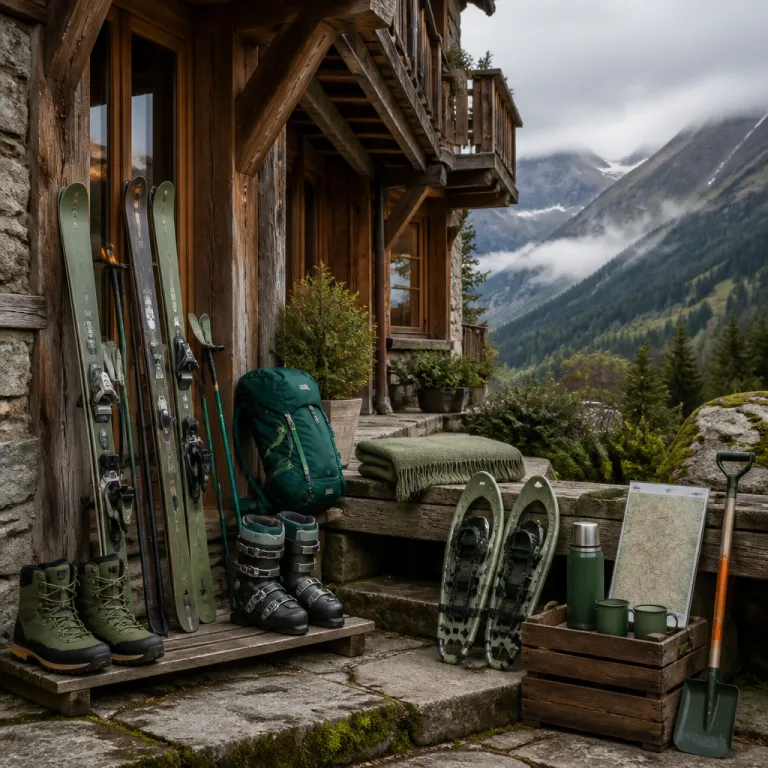
Why choose the Maurienne Valley for your hotel stay
Snowfields above Modane catch the first light, while the motorway and railway line stay discreetly in the valley floor. That contrast defines the Maurienne Valley in France’s Rhône-Alpes region; easy access via the A43 and TGV, but a feeling of being tucked away in a quieter corner of Savoie. For travelers choosing a hotel in the French Alps, this valley is less about show and more about substance.
Top hotel picks at a glance
- Best for skiing: Hotel Saint Charles Val Cenis (Val Cenis) – ski-in/ski-out by the Val Cenis le Haut gondola, full spa, winter-focused opening.
- Best for families: Hôtel La Turra (Val Cenis Lanslevillard) – family rooms, kids’ play corner, 5–7 minute walk to the Pré Novel chairlift.
- Best for road-trippers: Hôtel Saint-Georges (Saint-Jean-de-Maurienne) – just off the A43 exit, secure parking, 10-minute walk to the SNCF station.
- Best value for cyclists: Hôtel de l’Europe (Saint-Jean-de-Maurienne) – bike storage, early breakfast, easy access to the Col de la Croix de Fer road.
- Best for quiet charm: Hôtel du Glacier des Évettes (Bonneval-sur-Arc) – small, traditional, no spa, 300–400 m from the village lifts.
Compared with the headline ski resorts of nearby Tarentaise, the Maurienne ski area network feels quieter, more local, and often more generous in space. You move between Haute Maurienne villages such as Val Cenis and Bonneval-sur-Arc and notice how the architecture stays human in scale, with hotels often integrated into the village fabric rather than standing as isolated complexes. It suits travelers who prefer a star hotel with character, mountain views, and a sense of place over a vast, anonymous property.
Summer changes the rhythm completely. Cross-country trails replace ski runs, and hotel restaurants open terraces facing Mont Cenis or the high pastures above Saint-Jean-de-Maurienne. If you want a base for hiking, cycling legendary passes, or simply watching the light shift on the peaks, a Maurienne hotel offers a more grounded, less performative version of Alpine luxury, with authentic village life just beyond the lobby.
Understanding the valley: from Saint-Jean to Haute Maurienne
From the moment you leave the A43 at Saint-Jean-de-Maurienne, the valley unfolds in distinct chapters. The lower section around Saint-Jean and Saint-Michel-de-Maurienne is practical and well connected, with hotels that work well for one-night stopovers, early departures, or travelers following the Route des Grandes Alpes. Rooms here often prioritise easy parking, late check-in, and flexible arrival times over dramatic spa facilities or ski-in ski-out access.
Example hotels – lower Maurienne
- Hôtel Saint-Georges (Saint-Jean-de-Maurienne)
Price band: mid-range. Approx. €90–€140 per night in winter and summer high season.
Pros: secure parking, short walk (about 800 m) to the SNCF station, good for cyclists tackling the Col du Glandon or Croix de Fer.
Cons: on a main street, so request a courtyard-facing room for less noise.
Spa: no spa, but a small garden and lounge.
Opening months: generally year-round, with brief closures in November. - Hôtel de l’Europe (Saint-Jean-de-Maurienne)
Price band: budget to mid-range. Approx. €70–€110 per night.
Pros: bike storage, early breakfast on request, 10–12 minutes’ walk to the station.
Cons: simple rooms, limited common areas.
Spa: none.
Opening months: typically open most of the year, with short breaks between seasons.
Push further east towards Modane and the landscape tightens. The town becomes a natural hub for those heading to the ski resorts above, with hotels that balance access to the slopes with the services of a small Alpine town. This is where you feel the valley’s role as a gateway; trains, tunnels, and mountain roads all converge, yet a good hotel room can still feel surprisingly quiet once you close the door and draw the curtains on the transport corridor below.
Example hotels – Modane and surroundings
- Hôtel du Nord (Modane)
Price band: budget to mid-range. Around €75–€120 per night.
Pros: 5–7 minutes on foot from Modane SNCF station, convenient for rail travelers heading to Val Cenis or Aussois.
Cons: urban setting, limited mountain views from some rooms.
Spa: none; focus on simple, functional comfort.
Opening months: usually year-round, with occasional short closures. - Hôtel Les Mottets (Aussois area)
Price band: mid-range. Roughly €100–€160 per night in winter.
Pros: close to Aussois village lifts (about 300–500 m depending on the building), family-friendly atmosphere.
Cons: you will likely need a car for wider valley exploration.
Spa: small wellness corner in some seasons; check current facilities.
Opening months: mainly December–April and June–September.
Beyond Modane, Haute Maurienne begins. Villages such as Val Cenis and Bonneval-sur-Arc sit closer to the high peaks and the Italian border, with hotels that lean more towards extended stays, ski holidays, and summer mountain breaks. Here, you are choosing not just a hotel but a specific high-altitude atmosphere; softer light, slower evenings, and a stronger sense of being in a self-contained world where the ski lifts, hiking paths, and village square are all within a short walk.
Example hotels – Haute Maurienne
- Hotel Saint Charles Val Cenis (Val Cenis Lanslebourg)
Price band: upper mid-range to premium. Often €160–€260 per night in winter.
Pros: ski-in/ski-out by the Val Cenis le Haut gondola, indoor pool and spa, underground parking.
Cons: popular with groups in peak weeks, so book early for quieter dates.
Spa: full spa with pool, sauna, and treatment rooms; access usually included for guests.
Opening months: typically mid-December to April and late June to early September. - Hôtel La Turra (Val Cenis Lanslevillard)
Price band: mid-range. Around €110–€170 per night in high season.
Pros: family rooms, friendly restaurant, about 5–7 minutes’ walk to the Pré Novel chairlift and ski school meeting point.
Cons: not strictly ski-in/ski-out; short walk in ski boots required.
Spa: small sauna or relaxation area in some seasons; confirm details when booking.
Opening months: mainly winter and summer, often closed in May and October. - Hôtel du Glacier des Évettes (Bonneval-sur-Arc)
Price band: mid-range, with a traditional feel. Typically €100–€160 per night.
Pros: classic stone-and-wood building, 300–400 m from the village lifts, quiet end-of-valley setting.
Cons: no spa, limited nightlife; best for those seeking calm.
Spa: none; focus is on cosy rooms and a simple restaurant.
Opening months: usually December–April and June–September, in line with the ski and hiking seasons.
What to expect from hotels in Maurienne Valley France
Rooms in the Maurienne Valley tend to be functional first, then charming. Expect solid beds, good insulation, and often a mix of traditional wood panelling with more contemporary touches. In many properties, the best rooms are those facing up-valley or towards the ski area rather than the main road; when booking, it is worth checking the exact orientation and asking for clear details on the view, especially if you plan to spend time on the balcony.
Typical room & service features
- Room sizes: often compact but practical, with plenty of hooks and storage for ski gear.
- Noise levels: quieter in upper villages; in Saint-Jean-de-Maurienne and Modane, ask for rooms away from Avenue du Mont Cenis or the main traffic axis.
- Parking: many hotels offer free outdoor parking; underground garages are more common in newer ski hotels like Hotel Saint Charles Val Cenis.
- Access to lifts: in Val Cenis, several hotels sit within 200–400 m of the main gondolas and chairlifts; in Bonneval-sur-Arc, most properties are within a short walk of the village lifts.
Wellness facilities vary widely across Maurienne Valley hotels. Some addresses offer a compact spa with a sauna, small pool, or hot tub, sometimes paired with a restaurant spa concept where treatments and dining are coordinated around a relaxed afternoon. Others keep it simple, focusing on a cosy lounge, a bar with local wines, and perhaps a small fitness corner. If a full spa experience is a priority, verify the size, opening hours, and whether access is included for all room categories or charged as an extra.
Dining & breakfast fact box
- Hotel restaurants: many operate on a half-board basis in winter, with set menus featuring fondue, raclette, and diots (local sausages).
- Local products: expect Beaufort and Tomme de Savoie cheeses, cured meats from nearby valleys, and wines from the broader Rhône-Alpes region.
- Breakfast style: usually buffet, with bread, pastries, cheese, ham, cereals, and hot drinks geared to long days outdoors.
- Non-resident dining: in smaller villages, hotel restaurants may be among the few evening options, so reserve a table if you are not staying on site.
Dining is often a strong point. Many properties operate as a hotel restaurant combination, serving Savoyard classics alongside lighter dishes for guests returning from ski or cross-country days. In villages like Val Cenis or around Mont Cenis, you may find menus that highlight local cheeses and cured meats, while in Saint-Jean-de-Maurienne the offer can feel slightly more urban, with a broader Rhône-Alpes influence. Breakfasts are usually generous, designed for long days outdoors rather than quick city commutes, and often feature regional products that anchor you firmly in Savoie.
Choosing the right area: ski, summer, or road-trip base
For dedicated skiers, staying close to the lifts in Haute Maurienne is the most efficient choice. A hotel near the slopes of Val Cenis or in the orbit of Bonneval-sur-Arc shortens your morning routine and lets you return quickly for a late lunch or a session in the spa. These locations work especially well if your priority is to maximise time on the ski resort terrain rather than explore the entire valley or drive frequently between villages.
Best areas for skiing
- Val Cenis: hotels in Lanslebourg and Lanslevillard can be within 100–300 m of lifts like Val Cenis le Haut and Pré Novel, ideal for ski school access.
- Bonneval-sur-Arc: compact village where most hotels are a short walk from the base lifts, with a strong end-of-valley atmosphere.
- Aussois: good for families and mixed-ability groups, with several hotels close to the village chairlifts.
If you are planning a mixed trip — some ski, some sightseeing, perhaps a day in Italy via the Mont Cenis area — a base around Modane or in the central section of the valley offers more flexibility. From here, you can reach several ski resorts within a reasonable drive while still having access to shops, services, and a choice of hotel restaurants. It is a pragmatic option for families or groups with different interests, and for travelers arriving by train who want to minimise transfers.
Summer travelers and cyclists often prefer the lower valley around Saint-Jean-de-Maurienne. This area is a classic starting point for legendary climbs and cross-country routes, and hotels here understand early breakfasts, secure storage for equipment, and the need for quiet rooms facing away from busy streets such as Avenue du Mont Cenis. For a slower, more contemplative stay, the upper villages in Haute Maurienne offer walking paths that start almost at the hotel door, plus easy access to lakes, high passes, and family-friendly trails.
Sample 3-night itinerary
- Night 1 – Saint-Jean-de-Maurienne: arrive via A43 or train, check into Hôtel Saint-Georges, explore the old town, prepare for cycling or a scenic drive.
- Night 2 – Modane or Aussois: move up-valley, stay at Hôtel du Nord or Hôtel Les Mottets, visit nearby forts or take a half-day ski or hike.
- Night 3 – Val Cenis or Bonneval-sur-Arc: finish in Haute Maurienne at Hotel Saint Charles Val Cenis or Hôtel du Glacier des Évettes for a full mountain day and quieter evening.
Luxury and premium stays: what “high-end” really means here
High-end in the Maurienne Valley is more discreet than in glossier Alpine destinations. You are unlikely to find vast palace-style properties; instead, premium hotels tend to be smaller, with a limited number of rooms and a focus on attentive service. The luxury is in the silence at night, the mountain views at breakfast, and the feeling that the staff recognise you by the second day, rather than in a long list of branded boutiques.
Premium hotel snapshot
- Hotel Saint Charles Val Cenis: indoor pool, spa, and direct access to the slopes; underground parking and on-site restaurant make it a self-contained base.
- Chalet-style boutique hotels: in villages like Val Cenis and Aussois, you will find smaller properties with 15–30 rooms, often run by local families.
- Service focus: staff are usually long-term locals or seasonal regulars, which helps with practical advice on lifts, passes, and weather.
When assessing a star hotel in this valley, look beyond the official rating. Pay attention to the quality of materials in the room, the condition of the bathrooms, and the coherence between public spaces and guest floors. A well-run three-star property with a thoughtful restaurant and a compact but well-maintained spa can feel more satisfying than a higher-rated address that relies on size rather than finesse, especially if you value atmosphere over spectacle.
For travelers used to large international chains, the absence of a typical Best Western or similar Western-branded hotel in some villages can be a surprise. Instead, you will encounter independent properties that reflect their specific corner of the valley, whether that is the more urban energy of Saint-Jean-de-Maurienne or the quieter, almost end-of-the-road atmosphere near Bonneval-sur-Arc. If you value authenticity and a sense of place over uniform design, this is a clear advantage and one of the reasons many guests return.
Key things to check before booking a Maurienne hotel
Before you book, run through a quick checklist:
- Exact location: distance to ski lifts, hiking trails, and the village centre; how far you are from main roads or the railway line.
- Room orientation: whether your room faces valley traffic or a quieter arrière-cour, and if a balcony or mountain view is guaranteed.
- Seasonality: typical opening months (many hotels focus on December–April and June–September) and any shoulder-season closures.
- Available services: which facilities — spa, restaurant, bar — are operating during your dates, and if menus or hours are reduced.
- Amenities for activities: drying rooms, ski lockers, bike storage, early breakfast options, and late check-out policies.
- Spa access: whether wellness areas are included in the room rate, bookable by time slot, or charged separately.
- Rates and conditions: approximate nightly prices for your period, cancellation terms, and any local tourist taxes.
Practical booking fact box
- Winter focus: many ski hotels open from mid-December to early or mid-April, in line with official lift calendars.
- Summer focus: mountain hotels often reopen from late June to early September for hiking and cycling.
- Shoulder seasons: May and October can see widespread closures, especially in Haute Maurienne.
- Transport access: Saint-Jean-de-Maurienne and Modane have SNCF stations; upper villages are reached by bus or car in 30–50 minutes.
Location within the village matters more here than in many other mountain regions. Check how far your hotel is from the ski lifts, the main street, and any busy through-roads; a few extra minutes on foot can mean a much calmer room at night. In places like Saint-Jean-de-Maurienne or Modane, verify whether your room faces the valley traffic or the quieter arrière-cour, especially if you are sensitive to noise.
Seasonality is another crucial point. Some hotels in the Maurienne Valley operate primarily in winter and summer, closing in the shoulder seasons, while others stay open year-round. Align your dates with the local rhythm of the ski area or hiking season, and confirm which services — spa, restaurant, bar — are available at the time of your stay. A hotel restaurant that is lively in February may run a reduced menu in late spring, and spa opening hours can also shift between high and low season.
Amenities deserve a careful look. If you are coming for cross-country skiing near Val Cenis or long hikes above Mont Cenis, ask about drying rooms, storage for equipment, and early breakfast options. For travelers focused on relaxation, check whether the spa is large enough for the number of rooms and whether access is limited to certain time slots. In a valley where properties are often compact, these details can shape the entire experience and determine whether your Maurienne Valley hotel feels like a retreat or simply a base.
Who the Maurienne Valley suits best
Travelers who value authenticity over spectacle will feel at home here. The Maurienne Valley is not designed for those who want to be seen on the terrace of a famous bar; it is for people who care more about the quality of the snow, the quiet of the night, and the sincerity of a well-cooked dish in a small hotel restaurant. If that sounds like you, the match is strong and the valley’s understated charm will likely resonate.
Families often appreciate the scale of the villages and the relative calm of the ski resorts. Children can walk from the hotel to the ski school meeting point without crossing a maze of shops, and evenings tend to be relaxed rather than frenetic. In summer, easy access to riverside paths and gentle trails makes the valley a comfortable introduction to the mountains for younger travelers, with plenty of playgrounds and picnic spots close to family-run hotels.
For road-trippers and rail travelers crossing the Alps between France and Italy, the valley offers strategic overnight stops that feel more like mini-breaks than mere transit. A night in the coeur Maurienne area around Saint-Jean-de-Maurienne, followed by another in Haute Maurienne near Val Cenis or Bonneval-sur-Arc, gives you two very different atmospheres within the same valley. That contrast — practical gateway below, high-altitude retreat above — is one of the Maurienne’s quiet strengths and makes it easy to combine logistics with genuine Alpine immersion.
Is the Maurienne Valley a good alternative to better-known Alpine resorts ?
Yes, the Maurienne Valley is an excellent alternative if you prefer quieter ski resorts, more authentic villages, and a less showy atmosphere than in some headline Alpine destinations. You trade extensive nightlife and luxury shopping for calmer slopes, strong local character, and hotels that feel integrated into real communities. For many travelers, that is a welcome exchange and a reason to choose this part of the French Alps over more famous names.
What should I check before booking a hotel in Maurienne Valley France ?
Before booking, verify the exact location within the village, the distance to ski lifts or hiking trails, and the orientation of your room in relation to main roads. Confirm which services are available in your travel period, especially spa access and the opening days of the hotel restaurant. It is also wise to review cancellation policies, any seasonal closures, and whether breakfast, parking, or wellness facilities are included in the nightly rate.
Is the Maurienne Valley better for winter ski or summer hiking ?
The valley works well for both, but in different ways. Winter is ideal if you want access to varied ski area terrain with a calmer feel than in larger resorts, especially in Haute Maurienne around Val Cenis and Bonneval-sur-Arc. Summer suits hikers, cyclists, and cross-country enthusiasts who appreciate long days outdoors, quieter hotels, and easier access to high passes such as those near Mont Cenis, the Col du Galibier, or the Croix de Fer.
Where should I stay if I want to explore several parts of the valley ?
For a multi-base trip, combine a stay in or near Saint-Jean-de-Maurienne with a few nights higher up in Haute Maurienne. The lower valley works well as a hub for road cycling and exploring different side valleys, while the upper section near Val Cenis or Bonneval-sur-Arc offers a more immersive mountain experience. This pairing lets you experience both the practical coeur Maurienne and the wilder upper reaches, with contrasting hotel styles and landscapes within a relatively short drive.
Do hotels in the Maurienne Valley usually have spa facilities ?
Some hotels offer spa areas with saunas, hot tubs, or small pools, but it is not universal across the valley. Properties in ski-focused villages are more likely to have wellness facilities, sometimes combined with a restaurant spa concept. If a spa is important to you, make it a key filter in your search and check the size, access rules, and opening hours in detail so your chosen Maurienne Valley hotel matches your expectations for relaxation.