Where Wine and Mountains Share the Horizon Appiano sulla Strada del Vino sits roughly ten kilometres southeast of Bolzano , in the gentle hills where South Tyrol transitions from alpine peaks to a warmer, almost Mediterranean landscape.
Where Wine and Mountains Share the Horizon
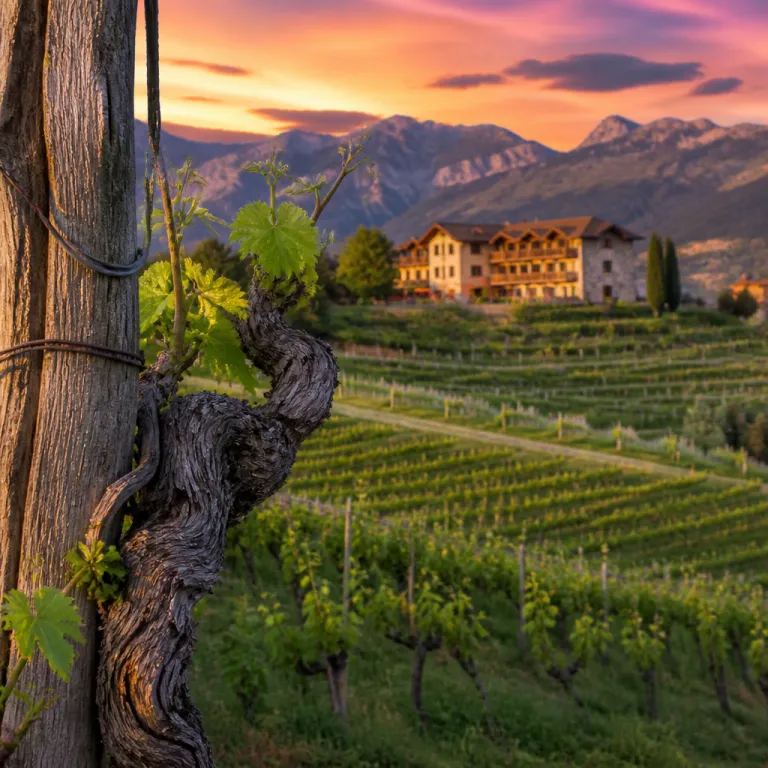
Appiano sulla Strada del Vino sits roughly ten kilometres southeast of Bolzano, in the gentle hills where South Tyrol transitions from alpine peaks to a warmer, almost Mediterranean landscape. It is the largest wine growing municipality in the region, a distinction that shapes the character of the village, the rhythm of its seasons, and the personality of its hotels. The terraced slopes produce Gewurztraminer, Pinot Noir, Sauvignon Blanc, and the indigenous Lagrein, each carrying the imprint of a distinctive terroir where cool nights and warm, sun-soaked days create ideal conditions for viticulture.
The municipality is not a single village but a collection of eleven districts spread across the terrain. San Paolo, San Michele, Cornaiano, and Missiano each have their own piazza and their own atmosphere. A guest who arrives expecting a compact destination discovers instead a landscape of small villages connected by paths through the vineyards, a style of living that invites exploration on foot or by bike.
Hotels in Appiano: A South Tyrolean Welcome
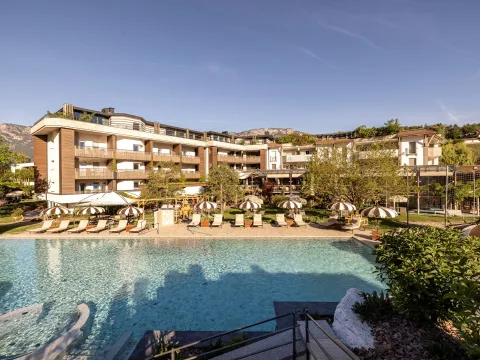
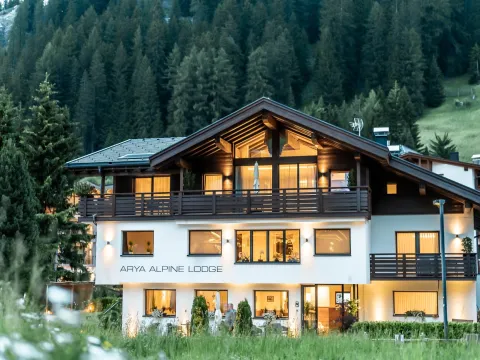
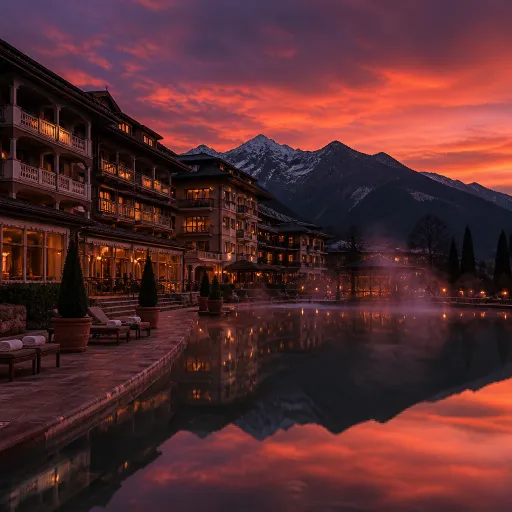
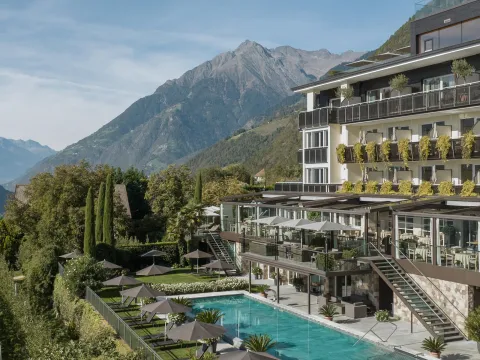
Accommodation in Appiano ranges from traditional guesthouse properties to design-forward hotels with pool and sauna. The region has a particular gift for combining Tyrolean warmth with Italian elegance, and this shows in the details: the quality of the breakfast, the care with which rooms are appointed, the open terrace that frames the valley. A wine hotel in this area is not just a place to sleep. The cellar becomes a destination, where the team leads tastings that explore what the surrounding land produces. The restaurant pairs local dishes with the bottles from the nearest winery, and the connection between plate, glass, and landscape becomes tangible.
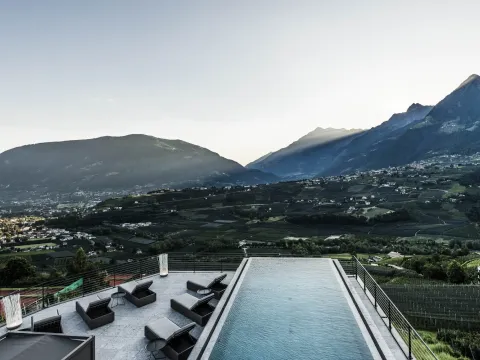
Several properties have invested in wellness facilities. The combination of a pool, a sauna, and a terrace with views creates a rhythm of activity and recovery that suits the relaxed pace of the area. Apartments offer an excellent option for families or longer stays, with the flexibility to self-cater while still enjoying the hotel facilities. Guests should read the included services carefully, as offers vary. Some properties include daily tastings, others include entry to the nearby swimming lake, and the best combine both with guided visits to a local estate.
Prices and What to Expect
Hotels in Appiano offer competitive prices that make this corner of Italy accessible to a range of budgets. The holiday apartment is a popular choice for those who prefer independence, and the quality of these properties in South Tyrol tends to be notably higher than in many other Italian regions. Whether staying in a family-run house with a few rooms or a full-service residence with spa and restaurant, guests consistently note the level of personal attention. The team at each property goes out of its way to provide recommendations, arrange tastings, and ensure that every detail of the stay meets expectations.
The Wine Road: Cycling and Discovery
The road that gives Appiano its name is the oldest of its kind in Italy. It runs from the outskirts of Bolzano through the villages and on toward Caldaro and Termeno, passing through a landscape that has been shaped by viticulture for centuries. The approximately 23-kilometre cycling route is a highlight for active guests, combining exercise with the pleasure of stopping at a cellar for a tasting along the way. The paths are well maintained and largely flat, accessible to families and casual riders as well as enthusiasts.
Beyond cycling, walking trails thread through the area, connecting villages, castles, and viewpoints. The Eppan area is particularly rich in medieval architecture, with over 80 castles and ruins scattered across the hills. These structures speak to the strategic importance this corridor held for centuries, and many remain visible from the paths, adding a historical dimension to what might otherwise be a simple walk through the countryside.
Castles, Culture, and Reinhold Messner
Firmiano Castle stands on a dramatic outcrop above the valley and houses the Messner Mountain Museum. The legendary mountaineer chose this location for its commanding views, which stretch from Bolzano to the lake district. The museum explores the relationship between people and peaks through art, artefacts, and a design sensibility that respects the medieval structure while creating something unmistakably contemporary. For guests staying in Appiano, a visit is an excellent half-day excursion.
San Paolo, one of the most picturesque districts, rewards those who wander its narrow streets and discover the parish church, the old residences, and the views over the valley. The medieval heritage of this area is not confined to museums or ticketed sites. It lives in the architecture, the layout of the villages, and the stone walls that divide the fields, creating an open-air gallery that reveals itself gradually to the attentive visitor.
Lake Caldaro and the Monticolo Lakes
Lake Caldaro, sometimes called the warmest bathing lake in the Alps, lies a few kilometres from Appiano. In the warmer months it draws swimmers and families seeking a day by the water. The eastern shore, where the land slopes gently down to the waterline, offers some of the most pleasant bathing in the region. Hotels in Appiano sometimes include access to the facilities as part of their seasonal offers.
The two Monticolo lakes, set within a nature reserve, provide a quieter alternative. Surrounded by forest, these smaller bodies of water suit guests who prefer natural swimming and a woodland setting. Both are reachable by bike from Appiano, making them an easy addition to any ride through the countryside.
Wellness and the Art of Doing Less
The best hotels in this area have recognised that wellness is not an amenity but a philosophy. Pool, sauna, and treatment rooms are standard at the leading properties, and the terrace, that essential feature of any good Tyrolean hotel, provides a space where guests can simply sit with a glass and let the view do the rest. Treatments draw on local ingredients: grape extracts, alpine herbs, hay from the meadows above the village. They connect the spa to the same land that produces everything else the guest encounters during a stay.
Food, Drink, and the Tyrolean Table
The cuisine of the region draws equally on Italian and Austrian traditions. Canederli, the bread dumplings that appear in dozens of variations across the region, sit alongside handmade pasta and risotto on menus that refuse to choose a single national identity. The result is a culinary landscape that feels genuinely unique, neither purely Italian nor purely Austrian but something richer than either. A guest who tastes a plate of speck with fresh horseradish alongside a glass of local white begins to understand that this borderland has turned its dual heritage into a creative advantage.
Winery visits are a centrepiece of any stay. Most estates welcome visitors for tastings, and many offer guided tours that explain the specific conditions that make this part of the peninsula so well suited to viticulture. The volcanic soils, the altitude, the protection offered by the surrounding mountains, and the thermal influence of nearby water all play their part. The best estates make these factors tangible, walking guests through the rows and into the cellar, building understanding one sip at a time. For those who prefer to simply enjoy rather than study, the terraces of the village restaurants serve excellent local bottles by the glass, and the experience of drinking something grown within sight of the table never loses its appeal.
Choosing the Right Season
Each season brings a different version of this landscape. Spring arrives with the blossom, when the orchards and fields transform into a canvas of white and pink against the green of the hills. It is a gentle, beautiful time, ideal for walking and for discovering the area before the main visitor season begins. The warm months bring the lakes to life and fill the outdoor terraces of every restaurant and hotel. Autumn is harvest season, when the villages pulse with activity, the cellar doors open wide, and the light takes on a golden quality that photographers travel far to capture. Even winter has its appeal: the quieter months allow for reflection, for slow meals, and for the kind of deep relaxation that the sauna and pool of a well-chosen hotel provide.
Appiano sulla Strada del Vino is in South Tyrol, close to the Austrian border. Bolzano is ten kilometres away and served by rail from Verona, Innsbruck, and Munich. Both Italian and German are spoken, and most hotel teams are fluent in both plus English. Autumn is ideal for those who want to experience the harvest. The holiday season brings the blossom, when orchards and the surrounding land transform. Whether arriving to explore the surroundings, to stay in a hotel with pool and sauna, to ride through the vineyards, or to enjoy the unique hospitality of a region shaped by its traditions and its open, active engagement with the landscape, Appiano delivers a South Tyrolean experience that no other part of Italy can quite replicate. The combination of excellent hotels, a well-considered outdoor programme, historic villages, and a food and drink culture rooted in the land itself creates a destination that repays every day spent here with something new to discover.