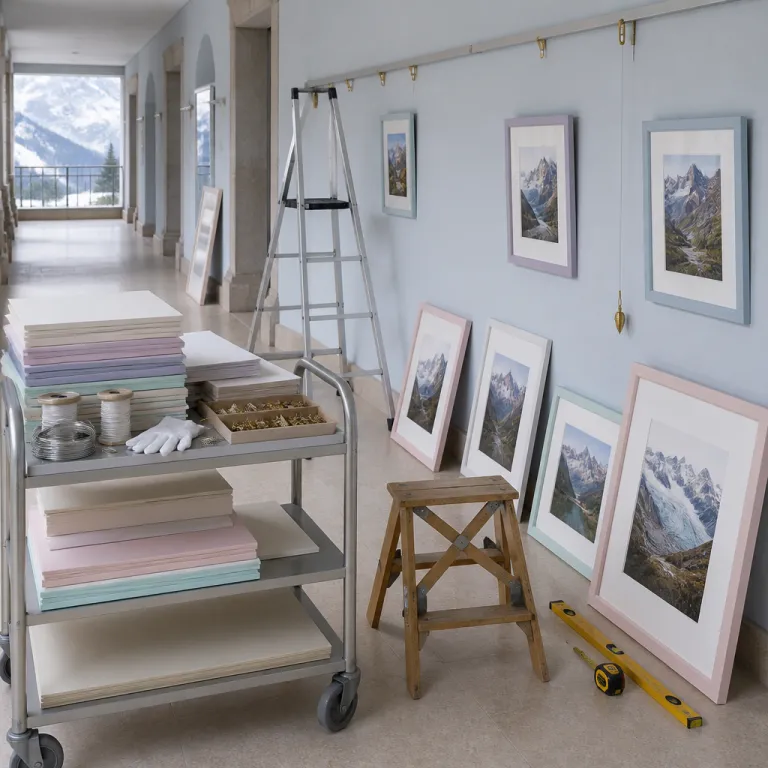
From decoration to curation in the alpine hotel
In the most interesting art hotels in the Alps, culture and heritage are no longer lobby decoration. These alpine properties treat every corridor, staircase and lounge as a curated gallery where each detail contributes to a coherent narrative about place, history and mountain tradition. When you read a room or a hallway in these hotels, you are reading a story about the Alps, the surrounding mountain range and the people who shaped them.
This shift is especially visible in a luxury hotel that treats art design as seriously as wine lists or spa menus, turning the building into a living archive of alpine heritage rather than a themed backdrop. At Badrutt’s Palace Hotel in St. Moritz, for example, historic portraits of early winter tourism hang beside contemporary photography of the Engadine valley, while at The Chedi Andermatt the interiors by Jean-Michel Gathy integrate Swiss chalet references with Asian minimalism. Across Switzerland, northern Italy, Austria and France, hoteliers now work with curators, local artists and cultural institutions to integrate heritage art and contemporary commissions into the architecture, so that the art becomes part of the structural rhythm rather than an afterthought. The result is a new generation of design hotel and grand hotel where guests experience culture as part of daily movement, not as a separate museum visit.
For travelers comparing hotels across Switzerland, this curator-led approach is becoming a key differentiator in the luxury segment. A 2018 report from the Boutique & Lifestyle Lodging Association on lifestyle lodging trends noted that properties with structured art programs reported higher guest satisfaction and repeat visitation, and mountain hotels are at the forefront of this trend in the Alps hotel landscape. As the Swiss Tourism Board summarizes in its 2019 guidance for hoteliers on design and storytelling, art and design are now considered core elements of the guest experience, used to enhance ambiance and showcase local culture rather than simply decorate walls.
Valley identities and rooted alpine heritage
Alpine culture is not a single story, and the most thoughtful art hotels in the Alps respect that. A property in a Tyrolean mountain village will lean into woodcarving, religious iconography and brass band photography, while a house in the Engadine might foreground modern Swiss graphic design and stark contemporary art against stone walls. In the French Savoie, you often see heritage art that references farming life, avalanche lore and the particular mountain tradition of each valley, creating an alpine identity that feels deeply rooted rather than generic.
In Switzerland, several luxury hotels around Lake Geneva and along the shores of the lake districts use curated photography and sculpture to connect the water to the mountains, reminding guests that the great mountain range always frames the urban skyline. At Beau-Rivage Palace in Lausanne, for instance, contemporary works by Swiss artists are installed in corridors that look directly towards the Lavaux vineyards and the Alps beyond, while in Geneva’s lakeside hotels curated photography traces the history of steamboats and mountaineering. These Swiss hotels often commission contemporary artists to reinterpret Belle Époque travel posters, hanging them in rooms and suites where the view stretches from vineyards to snowfields. Each detail contributes to a sense that the hotel is part of a longer historic continuum, not just a modern insertion into the landscape.
Further east, in Austrian alpine regions, you will read different visual codes in the art design of a design hotel that sits above a quiet mountain village. At Hotel Arlberg in Lech, textile art and ceramics by regional makers sit alongside contemporary photography of the Arlberg passes, while in South Tyrol properties such as Vigilius Mountain Resort use clean-lined interiors to frame local woodwork and landscape drawings. Across these mountains, the best Alps hotel options use art to make valley-specific culture legible to guests who may only stay two or three nights.
Historic palaces, belle époque ghosts and modern interventions
Historic grand hotel properties in the Alps face a particular challenge: how to respect their Belle Époque bones while speaking to a contemporary eye. In Switzerland, some lakeside palaces once frequented by figures like Audrey Hepburn now use art curation to bridge eras, pairing restored ceiling frescoes with modern photography of the same mountains and lakes. At Grand Hotel Kronenhof in Pontresina, for example, 19th-century murals in the lobby coexist with contemporary landscape works in the rooms, and at Gstaad Palace newly commissioned pieces reference winter sports culture in a playful way. The tension between preservation and intervention becomes part of the guest experience, especially when rooms and suites juxtapose original parquet floors with bold contemporary art.
In these hotels, every corridor can feel like a quiet dialogue between past and present, where heritage art hangs beside new commissions that reference the same alpine heritage from a different angle. A luxury hotel above Lake Geneva might place archival portraits of early mountaineers opposite abstract works inspired by the mountain range skyline, inviting guests to explore how perceptions of the Alps have shifted over time. This careful art design ensures that no intervention feels cosmetic; each detail contributes to a layered narrative about progress, nostalgia and the enduring pull of the mountains.
For travelers choosing between historic hotels and newer design-led properties, it helps to read how each hotel uses art to frame its own story. Some grand hotel renovations lean heavily into contemporary minimalism, letting the view and the mountains carry the heritage message, while others embrace richly patterned walls and curated objects that echo a more theatrical era. In both cases, the most successful Alps hotel examples treat art as a form of editorial control over memory, not as neutral decoration.
The curator as host and the art led guest experience
Across the Alps, a quiet revolution is turning the hotelier into a curator and the stay into an art-led experience. Many luxury hotels now appoint dedicated curators or work closely with local galleries to select works that are deeply rooted in regional stories, rather than buying generic prints from catalogues. In Zermatt, for instance, several boutique properties collaborate with photographers who specialize in Matterhorn imagery, while in Chamonix hoteliers commission contemporary paintings that reinterpret historic mountaineering scenes. These alpine properties understand that guests increasingly want to explore culture where they sleep, not only in museums down the valley.
Programming reflects this shift: artist-in-residence stays, small talks in the lounge and guided art walks through the property are becoming as common as wine tastings, especially in higher-end hotels Switzerland wide. Research in the hospitality sector, including surveys published in Hospitality Design Magazine and Hotel Management, notes that art programs can increase perceived value and guest satisfaction by creating a unique and memorable stay, and mountain hotels are using that insight to design stays where art shapes the rhythm of each day. In some Alps hotel examples, you might start with breakfast beside contemporary sculpture, read quietly in an afternoon library lined with photography, then attend an evening conversation with a local painter whose work hangs above your bed.
Concrete examples underline this shift. At The Chedi Andermatt, the hotel’s art program has featured more than 200 works by Swiss and international artists since its 2013 opening, curated in collaboration with Gathy’s design studio and local galleries; as one curator explained in a 2021 press statement, the goal is to “let guests feel the valley’s history in every corridor, without turning the hotel into a museum.” At Badrutt’s Palace Hotel, a 2022 exhibition of Engadine photography brought together around 60 archival and contemporary images, accompanied by guided tours led by the concierge team, who described their role as “hosts of a living collection” rather than guardians of static décor.
Summer culture seasons and art beyond the room
While winter still defines the global image of the Alps, the most interesting art hotels in the Alps use summer to expand their cultural footprint. When the snow recedes from the mountains, lawns become sculpture parks, barns turn into small galleries and terraces host chamber concerts framed by a mountain view. This seasonal shift allows hotels to explore their alpine heritage in ways that are impossible when pistes and snowfall dominate the agenda.
Many alpine hotels now run summer programs that include open-air exhibitions, photography workshops and craft sessions with local artisans, often in partnership with regional museums and cultural institutions. In the Engadine, for example, hotels in St. Moritz and Pontresina coordinate with the Segantini Museum and local galleries to host talks and temporary installations, while in South Tyrol properties collaborate with sculpture trails that wind through larch forests. These events extend the hotel’s identity beyond the rooms and suites, positioning it as a cultural hub for both guests and residents of the surrounding mountain village. In Switzerland and neighbouring countries, some properties on the shores of the lake districts even use boats to connect Lake Geneva art events with high-altitude installations, creating a vertical cultural itinerary from water to mountains.
For travelers planning a stay, it pays to read the cultural calendar as carefully as the spa menu, especially if you value art design as much as fine dining. Ask how the hotel’s summer program reflects mountain tradition, whether the artists are local and how the works relate to the specific mountain range you see from your balcony. Industry FAQs from tourism boards and hotel associations consistently note that hotels collaborate with local artists to reflect regional culture and support communities, and the best Alps hotel choices turn that collaboration into a defining feature of their summer season.
How to choose an art led alps hotel for your trip
Selecting among the many hotels in the Alps can feel overwhelming, especially when every website promises culture, heritage and a perfect view. Start by looking for clear evidence that art is integrated into the hotel’s design, not just mentioned in passing: check whether the property names artists, describes exhibitions and explains how each detail contributes to a broader narrative. A serious art hotels Alps culture heritage approach will usually be visible before you even book a room.
Next, read how the hotel talks about its relationship to alpine heritage and the surrounding mountains, paying attention to whether the language feels specific or generic. A property that is truly deeply rooted in its landscape will reference particular villages, crafts, festivals and mountain tradition, rather than relying on vague images of peaks and chalets. In Switzerland, for example, a hotel that engages with Swiss design history, local photography and regional textiles will usually offer a richer experience than one that simply hangs anonymous prints of mountains.
Finally, consider how the hotel’s art program aligns with your own way of traveling, especially if you combine business and leisure. If you prefer quiet reflection, look for a luxury hotel or design hotel with strong in-room collections and calm lounges where you can read surrounded by contemporary or historic works. If you enjoy social energy, choose a grand hotel or Alps hotel that hosts talks, concerts and workshops, turning the mountains and the hotel itself into a dynamic cultural stage for guests throughout their stay.
FAQ
How can I tell if a hotel’s art program is more than decoration?
Look for specific information about artists, exhibitions and partnerships with galleries or cultural institutions, rather than generic claims about stylish interiors. Serious art hotels in the Alps usually publish details about their curators, artist-in-residence programs and how the collection reflects alpine heritage. If the website lets you read about individual works and their connection to the surrounding mountains, or provides a downloadable art map for the property, that is a strong sign of genuine curation.
Are art focused alpine hotels suitable for business travelers extending a work trip?
Yes, many luxury hotels and design-led properties in Switzerland, Austria, Italy and France are designed with business-leisure travelers in mind. They combine efficient services, quiet work-friendly rooms and suites and meeting spaces with curated art that offers a meaningful way to unwind after meetings. When booking, check whether the hotel offers high-speed connectivity, flexible check-in and access to lounges or libraries where you can work surrounded by heritage art and contemporary pieces.
Do mountain hotels usually work with local artists and craftspeople?
In the alpine regions, collaboration with local artists, photographers and artisans has become a defining feature of many high-end hotels. These partnerships ensure that the art design reflects rooted alpine traditions, from woodcarving and textiles to contemporary photography of the mountain range. You can often see this in rotating exhibitions of regional artists, on-site craft demonstrations or shop corners that sell ceramics, prints and textiles made in the surrounding valleys.
Is there a difference between winter and summer art programming in the Alps?
Yes, winter programs often focus on indoor exhibitions, intimate concerts and fireside talks, while summer allows hotels to use gardens, terraces and nearby landscapes as open-air galleries. Some properties near Lake Geneva or other shores lake areas even link lakeside events with high-altitude installations, creating multi-level cultural itineraries that combine boat trips, hikes and gallery visits. Checking the seasonal calendar before you book helps you align your stay with the type of art experience you prefer.
What should I ask before booking an art led alps hotel?
Before confirming a reservation, ask how the hotel’s collection is curated, whether works change over time and if there are any events during your stay. Clarify whether access to exhibitions or performances is included for guests or requires separate tickets, and whether staff can provide guided tours or printed information about the artworks. These questions help you gauge how central art and alpine heritage really are to the hotel’s identity, ensuring that the experience matches the promise.
Sources
Hospitality Design Magazine; Hotel Management; Swiss Tourism Board, “Design and Storytelling in Swiss Hospitality,” 2019; Boutique & Lifestyle Lodging Association, “Lifestyle Lodging Trends,” 2018; hotel press materials from Badrutt’s Palace Hotel, The Chedi Andermatt and other Alps hotel properties.