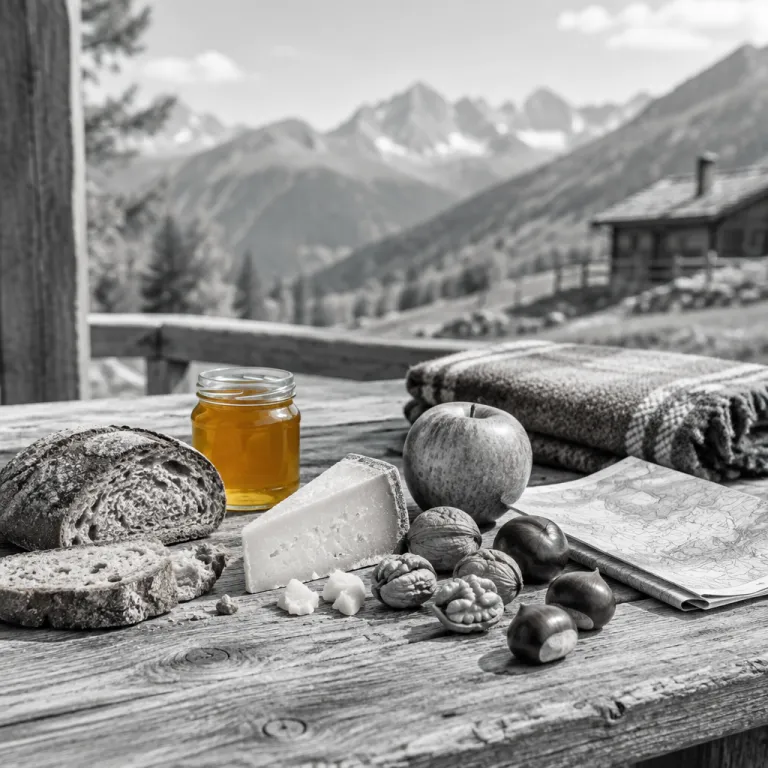
Why the last trails of the season feel different
Autumn hiking in the Alps rewards patience, timing and a taste for quiet. When the high summer hiking crowds of June, July and August thin, the air settles, the light softens and the mountains finally feel like a private amphitheatre for your own late-season journey. For solo travelers planning one last hike before winter, this is often the best moment to align a refined hotel stay with serious time on nearly empty paths.
The shift from the long days of July and August to the shorter light of autumn changes everything on the trail. Stable high-altitude weather windows become shorter, but the low-angle sun turns larch trees into golden forests and makes even a short route above a lake feel cinematic. If you enjoy a contemplative experience on foot rather than a social one, this is the perfect time to spend time in the Alps and let each day unfold at a slower, more attentive pace.
Temperatures fall, yet the hiking experience gains depth as the Alps’ autumn colours intensify. You trade wildflower meadows for rust-red slopes and quiet national park valleys where you might not meet another person during a full day of walking. For many, that solitude is well worth the cooler air, especially when a luxury hotel waits below with a hot stone floor, a serious wine list and staff ready with precise info on the next morning’s route options.
The hut-closing reality on high routes
By mid-autumn, the reality of hut closing shapes every ambitious hike at high altitude. Guardians in many national park areas across the Alps shut doors once the main season from late June to early September has passed, which means fewer staffed refuges, fewer hot meals and a more self-reliant style of late-season trekking. For solo travelers, this is not a reason to skip content about high routes, but a prompt to plan with more care and to lean on hotel concierges who understand the local closure calendar.
On classic Alpine traverses above Zermatt, Chamonix or the Dolomites, the route leads past huts that may already be locked, leaving only winter rooms or none at all. Around Zermatt, for example, popular bases such as Hörnlihütte and Schönbielhütte typically close between mid-September and early October, while in the Mont Blanc range many refuges near Chamonix finish full service by late September. Your time on the trail becomes a sequence of precise day stages rather than a flexible multi-day wander, and the best itineraries often drop lower each afternoon to reach a valley hotel rather than a ridge refuge. This is where a premium property with early breakfast, late check-in and drying rooms quietly becomes part of the mountain safety system, not just a place to sleep.
As you weigh one last hiking project before winter, think in terms of linked day hikes instead of a single continuous crossing. Use detailed local info from guides and tourist offices, then cross-check it with your hotel’s front desk, which often knows exactly when the last hut in a nearby valley closed the previous autumn. For a deeper sense of timing around the first golden larches and the turning of the season, the editorial guide on how to time the Alps’ first golden larches offers a valley-by-valley perspective that pairs well with your own route planning.
Valley and lakeside alternatives when the doors are locked
Once the last staffed hut has closed, the Alps do not stop offering serious hikes; they simply shift the stage. Trails that felt like warm-up options in June suddenly become the main event in October, especially those that weave between nearby villages, terraced vineyards and forested spurs above a lake. For luxury travelers, this is where the autumn mountain experience blends ridge paths with a more gastronomic rhythm back in the valley.
On the Italian side, a refined hotel near Lake Maggiore makes a strong base for autumn excursions that stay below the first snow line. One day you might follow a short trail from a hillside chapel above Cannero Riviera, the next you could take a longer route that climbs to a balcony path with wide views over the water, always returning to a dining room where the sommelier has spent time curating vintages from Piedmont and Lombardy. The contrast between crisp hours outdoors and candlelit evenings is part of what makes this season well worth the journey.
In Austria and Bavaria, valley hotels come into their own once the cattle have come down from the high pastures and the Almabtrieb festivities fade, usually between mid-September and early October depending on altitude and weather. Planning a stay around this descent is easier with the dedicated guide on how to time the Alps’ Almabtrieb season, which helps you align hikes with local culture. After the parades, you can hike quiet forest loops, follow a route that leads through larch trees turning copper and then return to a spa suite where the only bells you hear are from the evening church service in the valley below.
Safety, daylight and the first snow line
Autumn hiking in the Alps demands a sharper eye on daylight than any summer hike. The same trail that felt leisurely in July or August can become a race against the shadows in late season, especially on north-facing slopes where ice lingers. Solo travelers should treat each day as a compact project, with a clear turn-around time and a realistic sense of how fast they move on mixed terrain.
Weather patterns also shift, bringing the first hard frosts to high-altitude cols even while valley vineyards still feel like late August. A dusting of snow can transform an easy route into something more serious, particularly where the path traverses steep grass or rock, so your experience in other shoulder seasons may not fully translate. This is when a hotel with staff who hike themselves becomes invaluable, because their on-the-ground info about current trail conditions often proves more accurate than any generic forecast.
Pack as if you might spend time out longer than planned, even on short hikes that start near a cable car station. A lightweight headlamp, extra layers and microspikes can turn a stressful descent into a controlled one, while a printed map backs up any digital navigation if batteries fail. Many premium properties now offer small gear libraries or can arrange last-minute rentals, and the most attentive concierges will quietly check that your planned route matches the actual daylight available on that specific day. In most Alpine countries, the mountain emergency number is 112 or 144; store it in your phone, but plan so carefully that you never need to use it.
Hotels as autumn trailheads for the solo explorer
For the solo explorer, the right hotel in the Alps becomes more than a bed; it becomes a trailhead, a planning office and a social anchor once the huts close. Properties that understand late-season patterns will adjust breakfast times, keep saunas open later and maintain a small stash of maps and headlamps behind the desk. When you return from a long day of walking, that kind of quiet competence matters more than any lobby spectacle.
Look for hotels in nearby villages that sit directly on a trail network, so a short walk from the door puts you on a marked route without needing a car. In Switzerland, that might mean a Belle Époque lakeside property where the path leads from the garden straight into chestnut woods; in France, a discreet chalet-style address above Chamonix where larch trees frame Mont Blanc in golden forests each clear morning. In both cases, the best stays pair precise route info with a dining room where solo guests feel welcome to linger over dessert without performance.
If your autumn journey includes the Dolomites or the Italian lakes, the detailed guide on elegant ways to reach the Dolomites helps you align transfers with your late-season plans. Once there, you can structure each day around one focused hike, then return to a room where boots dry on warm stone and the only decision left is which glass of wine will frame the sunset views. Over time, you will build your own mental map of autumn hotels that feel like trusted bases, places where staff remember your preferred breakfast hour and understand that your perfect time in the mountains starts with a quiet early departure.
FAQ
Is autumn a good time for hiking in the Alps for solo travelers ?
Autumn is an excellent time for hiking in the Alps if you value quiet trails, clear views and cooler temperatures. Many high-altitude huts close, but valley-based routes remain accessible and often feel more atmospheric under low-angle light. Solo travelers benefit from pairing their hikes with hotels that offer reliable local info, flexible meal times and easy access to nearby trailheads.
How late in the season can I safely plan day hikes ?
In most Alpine regions, well-marked valley and mid-altitude trails remain practical into late autumn, while the highest routes become more exposed to early snow and ice. Safety depends less on the calendar and more on current conditions, daylight hours and your own experience on cold, mixed terrain. Always check local forecasts, ask your hotel or a guide for up-to-date info and set a conservative turn-around time for each day.
What kind of hotel works best as an autumn hiking base ?
The best autumn bases combine serious comfort with practical mountain features such as early breakfasts, drying rooms and staff who know the local trail network. Locations in nearby villages with direct access to paths or public transport reduce transfer time and make spontaneous short hikes easier. Lakeside and valley properties near places like Lake Maggiore also offer more stable weather than some high-altitude resorts once winter approaches.
Do I need special equipment for autumn hiking compared with summer ?
Autumn hiking in the Alps usually requires warmer layers, a waterproof shell, gloves and a hat, even for relatively short routes. A headlamp, microspikes and trekking poles add a margin of safety when trails are icy, wet or covered in early snow. Many premium hotels can help arrange rentals or recommend local shops if you prefer not to travel with a full kit.
How should I plan around hut closures when booking my hotel ?
When huts close, it becomes more practical to design your trip around day hikes that start and finish at your hotel rather than multi-day traverses. Check hut closing dates with local tourist offices, then choose a hotel positioned near several alternative routes at different altitudes. This approach keeps your options open if weather changes, while ensuring you return each evening to a comfortable base with reliable services.