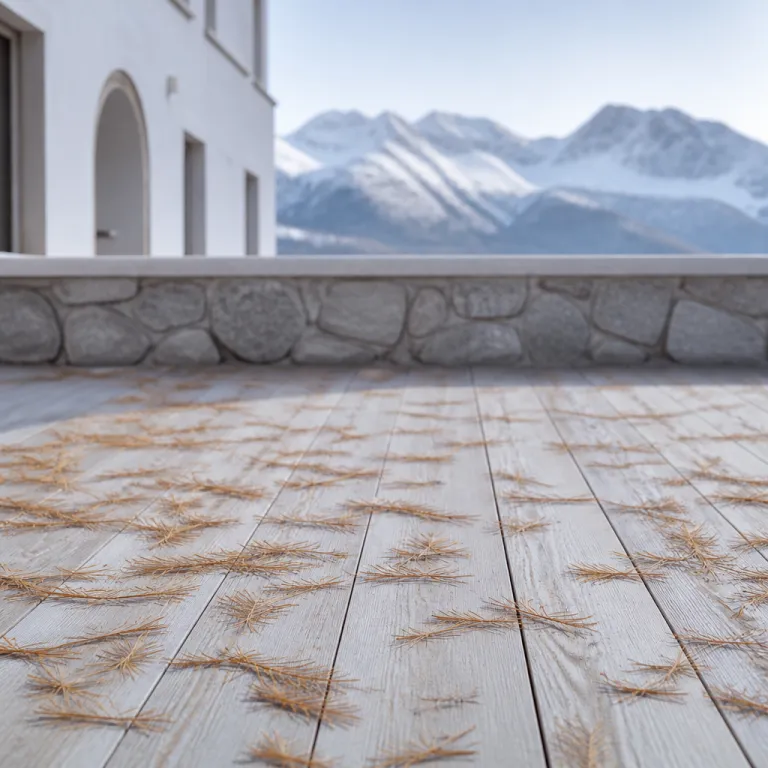
The turning fortnight: when the Alps go gold
The alps larch season behaves like a precise appointment, not a vague mood. Across the high valleys, the first larch needles shift from matte green to amber in a tight turning fortnight that usually runs from late September into early October, with higher bowls above 1 800 metres often colouring a full week before the valley floors. Think of it as a moving wave of golden larches rolling down the slopes, and time your luxury stay so your terrace faces that wave rather than its fading wake.
Altitude and orientation dictate this larch season more than any marketing calendar. South facing slopes above classic alpine lakes in Tyrol, East Tyrol and the Dolomites usually see their larches flare first, while shaded north facing bowls and any ridge tucked deep in a narrow valley can hold colour well into mid October, especially where cold nights arrive early but daytime temperatures stay gentle. When you read European trip reports from previous autumns, look less at the exact dates and more at the stated elevation bands, because a 300 metre difference can mean the gap between full gold and bare branches.
For a traveller used to the larch hikes around Leavenworth in Washington State, the rhythm feels familiar yet more compressed. In the Alps, the same vertical range that might take several miles of a lake trail in the North Cascades is often packed into a single steep mile above a village, which means you can step from spa to larch hike in under an hour. That compression is why the alps larch season rewards those who book a hotel with direct access to trails rather than relying on a distant parking lot and a long drive up to a pass.
Where to base yourself for peak colour
Choosing the right base for the alps larch season is less about a famous resort name and more about the valley’s shape. In the Dolomites, valleys like Val Gardena and Alta Badia frame golden larches against pale limestone towers, while in the Austrian Hohe Tauern the contrast is softer, with larches rising above dark spruce and glacial streams that resemble small alpine lakes. Both areas offer luxury properties where you can walk straight from breakfast to a signed trail without ever needing to navigate a crowded parking lot.
Solo travellers who have walked the larch hikes near Lake Ingalls, Lake Ann or Blue Lake in the Alpine Lakes Wilderness will recognise the appeal of staying where the trail begins at your door. In the Alps, that might mean a design forward lodge above Cortina d’Ampezzo, a grand old palace in Bad Gastein, or a discreet five star hideaway in the Engadin, each with its own preferred lake trail and ridge walk into larch country. Families who usually plan around kid friendly hikes near Colchuck Lake or Icicle Ridge in Washington’s national park system can translate that mindset here by choosing hotels that offer guided half day walks, picnic baskets and clear directions for shorter loops under 8 kilometres.
If you are used to driving from Seattle to Leavenworth for a weekend of fall colour, think of the Dolomites as your European equivalent, only with more cable cars and fewer forest pass permits. Many Italian and Austrian properties now treat the larch season as a bookable event, offering two or three night packages that include guided larch hike outings, transfers to nearby passes and late check outs timed to the afternoon glow. For travellers planning a wider European journey, pairing this golden window with a stylish rail arrival into Zermatt can work beautifully, and guides such as how to get to Zermatt in style for a luxury alpine stay help you stitch the routes together without losing precious days of colour.
What to book now, what to keep flexible
Because the alps larch season is weather sensitive, the smartest strategy is to lock in your valley and property, then keep your exact hikes flexible. Book your preferred room category with a west facing view for the late afternoon golden hour, secure any spa treatments and restaurant tables you care about, and leave your daily choice of lake trail or ridge walk to the last forecast. This mirrors how seasoned hikers in the Northwest Forest region treat their own larch hikes near Cutthroat Pass or Easy Pass, where the same trail can feel utterly different under fresh snow or warm sun.
In the Alps, you rarely need the equivalent of a Northwest Forest Pass or a specific forest pass permit, but you do need to understand local transport rhythms. Some high passes close to vehicles after the main summer season, while certain cable cars shift to reduced hours just as the larches peak, which can affect how many miles you actually hike in a day. Before you travel, read recent European trip reports from your chosen area, paying attention to notes about elevation gain, remaining snow patches and any early closures of mountain huts or park infrastructure.
Transport reliability matters as much as colour timing. Europe’s alpine corridors are under pressure long before the ski season, and reports such as Europe’s alpine corridors are buckling before peak season even starts underline why you should allow buffer time between rail connections or airport transfers. Once you reach your hotel, though, the logistics ease dramatically, because the best luxury properties in larch country are designed so that you can step from breakfast room to signed larch hike in minutes, without worrying about driving miles up to a crowded pass or finding last minute directions in an unfamiliar language.
Reading the landscape: how to follow the gold
To time the alps larch season precisely, learn to read the landscape the way local guides do. Look first at elevation bands between 1 600 and 2 200 metres, where larches tend to cluster above the valley floor yet below the highest rock and ice, then note which side of the valley your hotel faces and how the afternoon light moves across that slope. A west facing ridge lined with larches above a reflective lake will hold the glow far longer than a shaded east facing forest, which matters if you plan to return from a hike and watch the colour deepen from your terrace.
Think in vertical rather than horizontal miles when planning your days. A 6 mile loop in the Alps that climbs 600 metres can feel more intense than a longer but gentler larch hike near Lake Ann or Blue Lake in Washington, especially if you are starting from a high pass reached by cable car rather than from a low valley parking lot. Many European national park authorities publish clear directions and elevation profiles for their signature hikes, and these are worth studying in the same way you might analyse route descriptions for Lake Ingalls, Colchuck Lake or Icicle Ridge in the North Cascades.
For a solo explorer, the reward is intimacy with the mountain’s rhythm. You might spend one day on an easy balcony trail above an alpine lake, watching golden larches flicker against limestone, and the next on a more demanding ridge that feels closer to the wilderness routes above Seattle than to a manicured resort park. By the time the last needles fall and the larch season gives way to early snow, you will have traced your own quiet line through the landscape, guided less by marketing promises and more by the precise, two week turning of the trees.
FAQ
When is the best time to see golden larches in the Alps ?
The most reliable window for golden larches in the Alps usually runs from late September into early October, with higher valleys above 1 800 metres colouring first. Lower valleys and shaded slopes can hold colour for another week, especially in Tyrol, East Tyrol, Carinthia and the Dolomites. To maximise your chances, plan a flexible stay of at least four nights that straddles this turning fortnight.
Which Alpine regions are best for a luxury stay during larch season ?
For a luxury focused trip, the Dolomites, the Engadin in Switzerland and the Austrian Hohe Tauern offer the strongest combination of high end hotels and dense larch forests. These regions pair golden trees with dramatic limestone or glaciated peaks, and many properties sit directly on or near signed hiking trails. When comparing options, prioritise hotels with west facing views and easy access to valley transport so you can adapt quickly to weather and colour changes.
Do I need a car to enjoy larch hikes from my hotel ?
A car is helpful but not essential for the alps larch season, especially if you choose a valley with good public transport. Many high end hotels offer shuttle services to nearby trailheads, cable car stations or passes, which reduces the need to navigate mountain roads or search for parking. If you prefer to travel by rail, focus on hubs such as Cortina d’Ampezzo, Bad Gastein or the Engadin, where buses and lifts connect efficiently to larch rich terrain.
How does Alpine larch season compare to places like Leavenworth or the North Cascades ?
Travellers familiar with larch hikes near Leavenworth, Lake Ingalls or Cutthroat Pass in Washington will find the Alpine experience both recognisable and more compressed. The same vertical range that might require several miles of hiking in the North Cascades is often accessible within a shorter, steeper ascent from an Alpine village or cable car station. The main difference lies in infrastructure and hospitality, as many European valleys combine serious mountain terrain with refined hotels, spas and dining just minutes from the trail.
What should I pack for a luxury larch season trip in the Alps ?
Pack as you would for a shoulder season mountain trip, with layers that handle warm afternoons and near freezing mornings. A waterproof shell, light insulated jacket, sturdy hiking shoes, gloves and a hat are essential, even if you plan to return to a spa each evening. For the hotel, bring smart casual clothing that works for both terrace aperitifs at sunset and relaxed fine dining, since many properties keep the atmosphere elegant but not overly formal during this quieter season.