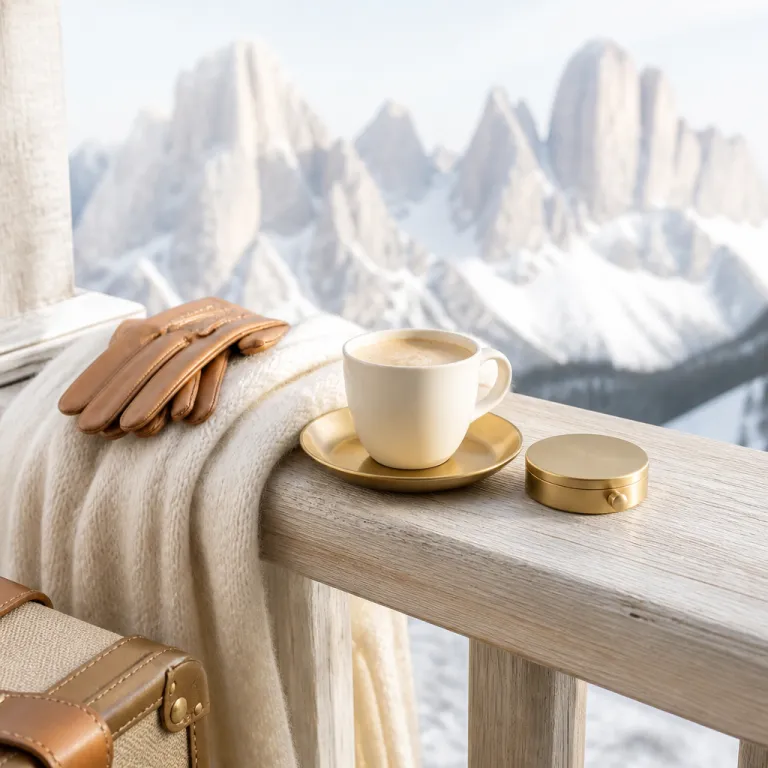
Understanding where the Dolomites are and how the area is structured
The Dolomites are a dramatic mountain range in north eastern Italy, set between alpine valleys and luminous lakes. When travellers ask where are the Dolomites, the precise answer is that this mountain chain spans Trentino Alto Adige, Veneto, and Friuli Venezia Giulia in a protected area of about 15 942 square kilometres. The Dolomites are in northeastern Italy, spanning the regions of Trentino-Alto Adige/Südtirol, Veneto, and Friuli Venezia Giulia.
This Italian region lies roughly between 46.4333° north and 11.8500° east, which helps you understand driving time from major airports. From Venice Marco Polo Airport, a car journey into the Dolomites mountain area usually takes around two and a half hours to Cortina d’Ampezzo, while from Verona Villafranca Airport you reach Val Gardena in about three hours in normal traffic. From Innsbruck in Austria, you cross into South Tyrol in less than two hours, which makes it a practical gateway for northern approaches. Knowing exactly where are the Dolomites located on the map is the first step to choosing the best hotels and the right valley for your style of trip.
Within this vast area, names like Val Gardena, Alta Badia, and Val Funes refer to distinct valleys, each with its own character and level of luxury. Around Cortina d’Ampezzo, the Dolomites feel glamorous and lively, while the alpine meadow landscapes of Alpe Siusi and the quiet Val Funes feel more secluded and contemplative. One hotelier in Ortisei likes to say that “you come for the peaks, but you return for the valley that feels like home,” a reminder that atmosphere matters as much as scenery. When you compare these Italian valleys, think about how much time you want to spend in the car, how many cable cars you plan to use, and whether you prefer a lively ski town or a tranquil mountain hideaway.
Key Dolomites valleys and lakes for luxury hotels and refined stays
For travellers wondering where are the Dolomites most suitable for five star hotels, three areas stand out immediately. Cortina d’Ampezzo offers a polished Italian resort atmosphere, with easy access to the Cinque Torri area, the Tofane peaks, and the nearby Lake Misurina. In Cortina, you can book hotels that combine spa facilities, fine dining, and private transfers, which makes every mountain hike or cable car excursion feel effortless.
Further west, Val Gardena and Alpe Siusi form a powerful duo for guests who want both ski in ski out access and wide alpine meadow views. In Val Gardena, the village of Ortisei is ideal if you want quick access to the Seceda cable car and the Gardena Pass, while Selva di Val Gardena suits guests focused on the Sella Ronda ski circuit. Above them, Alpe Siusi offers hotels that open directly onto meadows and hiking trails, with panoramic views towards the Tre Cime and the distant Cime Lavaredo ridges.
To the east, Alta Badia and the wider Alta Badia area around San Cassiano and Corvara specialise in gourmet experiences and refined mountain design. Here, luxury hotels often arrange private guided hikes to Lago Sorapis or tailored excursions to Lago di Braies and the Cadini di Misurina viewpoint, balancing active days with Michelin level dinners. If you are planning a romantic escape that combines Dolomites scenery with lakeside cities, consider pairing this region with a curated honeymoon itinerary in the Swiss Alps, such as a refined honeymoon in the Swiss Alps from lakeside cities to high altitude hideaways.
Iconic Dolomites landmarks and how their location shapes where to stay
Many travellers first ask where are the Dolomites when they see photographs of Tre Cime di Lavaredo or Lago di Braies. These icons sit in the eastern Dolomites, close to the border with Austria, which means that South Tyrol and the Belluno province are prime areas for luxury hotels. When you choose where to stay for Tre Cime, consider whether you prefer the refined ambience of Cortina d’Ampezzo or the quieter villages near Dobbiaco and Lake Misurina.
The Tre Cime and Cime Lavaredo hiking circuits are reached by a toll road from Misurina, so staying near Lake Misurina or in Cortina reduces travel time. From these bases, you can also reach Lago Sorapis, the Cinque Torri area, and the Cadini di Misurina viewpoint, all of which are linked by a network of trails and cable cars. One frequent visitor describes planning days “like a necklace,” stringing together one or two cable cars, a panoramic hike, and a leisurely lunch at a mountain hut. Guests who value efficiency often use a detailed Dolomites map to plan which cable car, pass, and hike combinations fit into each day, and a dedicated guide on how a Dolomites map elevates your luxury hotel stay in the Alps can be particularly helpful.
Further north, the Val Funes area is famous for its church framed by jagged Dolomites peaks, while the nearby Val Gardena offers more extensive hotels and services. From Val Gardena, the Seceda cable car whisks you to a ridge with sweeping views over the entire mountain chain, making it one of the best photo locations. When you understand where are the Dolomites landmarks in relation to each valley, you can select hotels that minimise time in the car and maximise time on the trail or in the spa.
Luxury logistics in the Dolomites: cable cars, passes, and travel time
Planning a premium stay in the Dolomites means thinking carefully about logistics, not only about views. The area is criss crossed by high passes such as Gardena Pass, Falzarego Pass, and Giau Pass, and each pass connects different valleys, ski areas, and hotel clusters. When you evaluate where are the Dolomites most convenient for your itinerary, consider how many passes you want to drive and how comfortable you are with winding mountain roads.
In winter, the Dolomiti Superski network links resorts like Val Gardena, Alta Badia, and Cortina d’Ampezzo through lifts and ski runs, so you may rely more on cable cars than on your car. In summer, cable cars and cable car systems such as the Seceda lift, the Alpe Siusi gondola, and the Faloria cable car in Cortina provide quick access to high altitude trails. Most major lifts run daily from late June to late September, with shorter schedules in May and October depending on snow conditions. Luxury hotels often include lift passes, private transfers to cable car stations, or even helicopter transfers, which significantly reduce transition time between your suite, the alpine meadow, and the next hike.
For guests who prefer to limit driving, choosing a base near a major cable car hub is essential. Ortisei in Val Gardena, Siusi allo Sciliar for Alpe Siusi, and San Cassiano in Alta Badia are excellent examples, each with high end hotels and efficient lift access. If you prefer to combine the Dolomites with other Alpine icons such as the Matterhorn, consider a stay in Cervinia with Matterhorn views and refined alpine comfort, which you can arrange through a dedicated luxury hotel collection that connects these regions seamlessly.
Where to stay for lakes, alpine meadows, and quiet Dolomites valleys
Some travellers asking where are the Dolomites really want to know where the quiet corners are. If your priority is serene lakes, consider basing yourself near Lago di Braies, Lake Misurina, or the more remote Lago Sorapis trailhead, each offering a different balance of accessibility and tranquillity. Around Lago di Braies, hotels are limited and often fully booked, so many luxury guests stay in nearby villages and arrange private transfers to the lake at the best time of day.
For sweeping alpine meadow scenery, Alpe Siusi is unmatched, with car free plateaus and a skyline of Dolomites peaks that glow at sunset. Staying in Alpe Siusi or in the village of Siusi below allows you to reach the plateau quickly by cable car, then walk directly from your hotel terrace into the meadow. Families and wellness focused travellers often rate this as one of the best areas because the terrain is gentle, the views are wide, and the atmosphere feels calmer than in busier ski towns.
Guests seeking a more traditional atmosphere often choose Val Funes, Alta Badia, or the villages around San Martino di Castrozza. In Alta Badia, the Alta Badia villages of San Cassiano and Corvara combine gourmet restaurants with easy access to Gardena Pass and the Sella massif, while San Martino di Castrozza offers a dramatic skyline and quieter streets. When you understand where are the Dolomites valleys in relation to each other, you can design a multi stop itinerary that moves from lakes to alpine meadow landscapes and finally to high passes without repeating the same scenery.
Combining Dolomites highlights with wider Alpine luxury itineraries
Many luxury travellers do not stop at asking where are the Dolomites, they ask how to integrate them into a broader Alpine journey. One elegant approach is to start in South Tyrol, staying in Val Gardena or Alta Badia for several nights, then continue east to Cortina d’Ampezzo for Tre Cime and Cime Lavaredo hikes. From there, you can drive south towards Venice or north towards Innsbruck, creating a loop that balances Italian culture with high mountain experiences.
Another strategy is to pair the Dolomites with Swiss or French Alpine resorts, using the Dolomites for active hiking and the other regions for spa focused recovery. For example, you might spend time in Val Gardena exploring Seceda, Gardena Pass, and the Cinque Torri area, then transfer to a lakeside Swiss city before ending in a high altitude hideaway. This kind of itinerary works particularly well for honeymoons or milestone celebrations, where each region offers a different mood and style of hotel.
Whichever route you choose, clarity about where are the Dolomites on the map will help you judge realistic driving times and avoid rushed days. Remember that mountain roads, passes, and cable cars operate on seasonal schedules, so align your hotel bookings with lift opening dates and lake access rules. With careful planning, you can experience the best of the Dolomites, from Lago di Braies and Lago Sorapis to Alpe Siusi and Val Funes, while enjoying a level of comfort that matches the grandeur of the landscape.
Key figures and geographical facts about the Dolomites
- The Dolomites cover an area of about 15 942 square kilometres, making them one of the most extensive mountain ranges in the Alps according to regional tourism data.
- The highest peak in the Dolomites is Marmolada at 3 343 metres, which is significantly higher than many surrounding summits and offers year round glacier views.
- The core Dolomites lie around 46.4333° north and 11.8500° east, a position that places them within a three hour drive of major airports such as Venice, Verona, and Innsbruck.
- The Dolomites span three Italian regions, Trentino Alto Adige, Veneto, and Friuli Venezia Giulia, which influences language, cuisine, and hotel styles across different valleys.
- Key valleys such as Val Gardena, Alta Badia, and Val Funes sit between roughly 1 000 and 1 600 metres in altitude, providing a comfortable base height for both winter skiing and summer hiking.
FAQ: planning a luxury stay in the Dolomites
Where exactly are the Dolomites located
The Dolomites are in north eastern Italy, spanning the regions of Trentino Alto Adige, Veneto, and Friuli Venezia Giulia. They sit within the broader Alpine arc, close to the Austrian border and within driving distance of cities such as Venice, Verona, and Innsbruck. This location makes them easy to combine with other European destinations on a single itinerary.
Which Dolomites valley is best for luxury hotels
Val Gardena, Alta Badia, and Cortina d’Ampezzo offer the highest concentration of luxury hotels and services. Val Gardena is excellent for ski in ski out access and the Seceda cable car, while Alta Badia is renowned for gourmet dining and refined design. Cortina d’Ampezzo combines Italian resort glamour with access to Tre Cime, Lake Misurina, and the Cinque Torri area.
How long should I stay in the Dolomites for a premium experience
A stay of five to seven nights allows you to experience at least two different valleys without rushing. Many guests spend three nights in Val Gardena or Alta Badia, then move to Cortina d’Ampezzo for another three or four nights focused on Tre Cime and the eastern lakes. Shorter stays are possible, but you will need to prioritise either lakes, alpine meadows, or high passes.
Do I need a car to enjoy a luxury trip in the Dolomites
A car offers maximum flexibility, especially if you plan to cross passes such as Gardena Pass or visit lakes like Lago di Braies and Lago Sorapis. However, in major resorts such as Val Gardena, Alta Badia, and Cortina d’Ampezzo, many luxury hotels provide transfers to cable cars and trailheads. If you prefer not to drive, choose a valley with strong public transport and lift connections.
When is the best time to visit the Dolomites for hiking and lakes
For hiking and lake visits, the most reliable period is from late June to early October, when trails are generally clear of snow and cable cars operate daily. During this time, you can comfortably reach Tre Cime, Cime Lavaredo, Lago di Braies, and Lago Sorapis, as well as enjoy the alpine meadow landscapes of Alpe Siusi. Shoulder seasons can be quieter, but some lifts and hotels may be closed, so always check operating dates before booking.