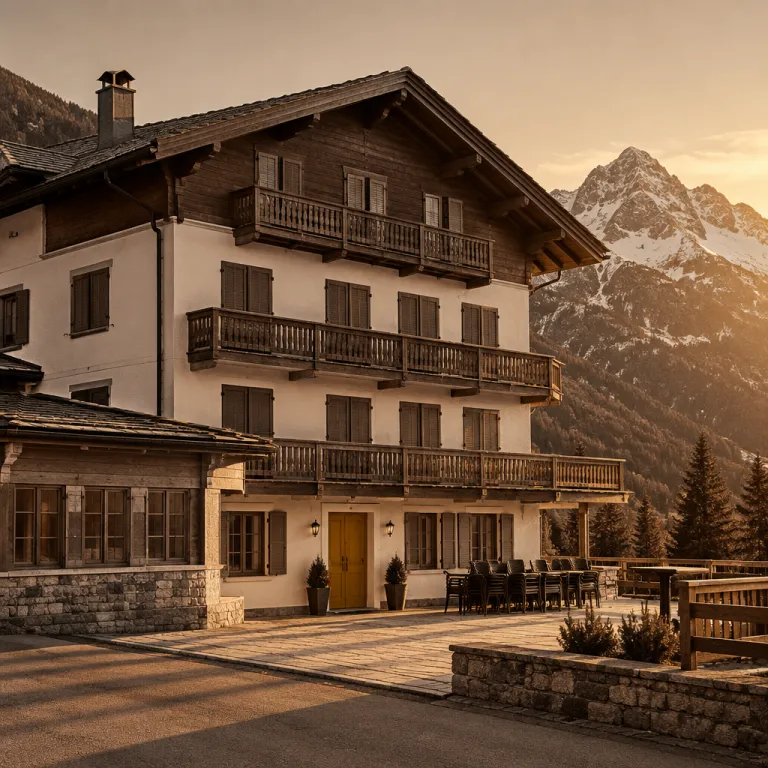
The quiet reset: why alpine hotels off season briefly go dark
When the last hikers leave and the first snow has not yet settled, many alpine hotels off season enter a quiet reset that most guests never see. In Zermatt, Courmayeur or Kitzbühel, a luxury hotel in the Alps may close for several weeks, blocking new reservations even when online availability still looks temptingly free for flexible adults planning a mountain break. This pause between seasons is not lost revenue; it is a deliberate investment in service, infrastructure and the kind of calm that serious hoteliers need to recalibrate every bed, every spa treatment room and every front desk process.
For a business leisure traveler extending a work trip, this lull explains why some mountain properties feel sharper in late winter than in the very first days after reopening. Owners use the off period to negotiate supplier contracts, refine the average price per night strategy and review guest feedback from hundreds of verified reviews across multiple platforms. In many Swiss and Italian resorts, for example, general managers plan four to eight week closures to complete maintenance and training. The best hotels in the Alps treat these weeks as their private laboratory, testing new breakfast formats, rethinking pool temperature settings and planning whether to keep free parking or shift to valet only for peak ski weeks.
Not every hotel follows the same rhythm, and that difference matters when you choose where to stay. Traditional lodge-style properties in smaller villages may close completely, while larger hotels in hubs like Chamonix or St. Moritz keep a skeleton équipe on site to host small corporate groups or long stay guests. One St. Moritz manager describes it as “running the hotel at 20% volume so we can listen for every flaw.” For you as a guest, understanding this pattern helps you read availability calendars more intelligently and decide whether to aim for the very first reopening week or wait until the hot tub jets, the spa steam rooms and the kitchen brigade have fully settled back into their stride.
Behind closed doors: what really happens when the lights go out
Once the last guests check out, the real work inside alpine hotels off season begins, usually before the "closed" sign even reaches the front door. Housekeeping teams strip every bed down to its frame, sending linens for deep cleaning while maintenance inspects mattresses, hot water systems and underfloor heating that will face months of snow and returning guests. In the spa and pool areas, engineers drain basins, descale jets and recalibrate filtration so that the water feels perfectly hot yet energy efficient when adults arrive for the first winter weekend.
Kitchen brigades use this lull to rewrite menus, often shifting from light summer plates to richer dishes that suit cold evenings and long tasting menus. In South Tyrol, for example, chefs preparing for the Törggelen season quietly test pairings between new wines and hotel dining concepts, a process you can taste later if you plan a stay around the South Tyrol wine to hotel table experience. In Austria’s Tyrol region, some properties report food cost swings of up to 15% between summer and winter, so this testing phase directly shapes menus and margins. Pricing teams sit with revenue managers to align the price per night with forecast demand, deciding which rooms will include free breakfast, which will bundle spa access and whether to keep certain inn suites reserved for loyal guests or open them to new bookings.
Operationally, this is when a quality inn style property proves its name in practice, even if it is a five star palace rather than a roadside inn. Staff rotate through training modules on handling pet friendly requests, managing late night front desk issues and using new check availability tools that sync real time with major booking platforms. A Swiss boutique hotelier might, for instance, simulate overbooking scenarios or late arrival chains to stress-test procedures. The best hotels across the Alps also test every digital touchpoint, from free wifi coverage in a picnic area style terrace to mobile key systems, ensuring that when you arrive for your stay the technology feels invisible, reliable and quietly luxurious.
Reading the first weeks back: uneven stays and what they reveal
Arriving at alpine hotels off season in the very first reopening week can feel both privileged and slightly experimental. You may be one of only a few guests walking through a grand lobby, with a front desk team still settling into new software, revised check availability rules and updated loyalty benefits. The upside is space and attention; the potential downside is that not every process, from breakfast service timing to spa reservations, has reached its winter rhythm.
In Merano or St. Moritz, for example, you might find that the pool is open but the outdoor picnic area is still being dressed for the season, or that the hot tub is perfectly hot while one sauna remains under maintenance. Industry occupancy data from several Alpine valleys shows that these first weeks often run at 30–40% capacity, which gives staff room to adjust but can expose small inconsistencies. If you time your visit around events such as Merano’s grape festivities and then stay at one of the recommended properties from the Merano grape festival hotel guide, you will notice how quickly a well run hotel stabilizes operations after reopening. A strong property will adjust staffing, refine the price per night mix and respond to early reviews within days, while a weaker one may let small issues linger across several weeks.
For a business leisure guest used to consistent service, these early signals are telling. If the bed and bathroom feel immaculate but breakfast arrives lukewarm, you are seeing a kitchen still syncing with new menus rather than a failure of overall quality. When the spa receptionist handles a complex pet friendly request smoothly, yet the free parking signage remains confusing, you are witnessing a property that has prioritized guest facing training before finishing cosmetic details, a trade off that often indicates long term service strength.
How off season habits signal long term service culture
The way alpine hotels off season use their quiet weeks tells you more about their culture than any glossy brochure. A serious hotel in the Alps will publish clear closure dates, maintain honest availability calendars and keep a small front desk team reachable by email or phone, even when the doors are locked. That same property is likely to reopen with polished spa rituals, reliable free wifi and a breakfast service that feels rehearsed rather than improvised.
By contrast, some mountain hotels treat the lull as a simple shutdown, leaving guests guessing about reopening dates, price changes and whether facilities like the pool or hot tub will be ready. When you read reviews, look for comments about how the hotel handled transitions between seasons, not just peak winter or summer stays. Properties that communicate clearly about free parking policies, pet friendly rules and any temporary limits on adults only areas or family pool hours tend to show stronger respect for guests, even when vacation rentals nearby compete aggressively on price.
For an executive planning a combined work and ski stay, these patterns matter more than a single glamorous photo. A hotel that invests in staff training, tests new bed and breakfast combinations and refines its picnic area layout during closure is signaling long term commitment to quality, not just short term occupancy. When you see that early guests praise the front desk for handling complex itineraries, late arrivals and multi room bookings smoothly, you can trust that the same équipe will support your stay when your schedule shifts after a late meeting in Geneva or Milan.
Practical strategies for booking alpine hotels off season with confidence
For travelers using stay-in-alps.com as a planning tool, the goal is not simply to find alpine hotels off season that are open, but to choose those that handle the lull intelligently. Start by checking whether the hotel clearly states its closure periods and invites you to check availability for shoulder weeks, especially if you want quieter stays with fewer guests. If the website or booking engine shows rooms as free yet the property notes limited services, contact the front desk directly to clarify which facilities, from spa to pool, will be fully operational.
Next, read recent reviews with a focus on transitions rather than only peak season glamour shots. Look for mentions of how quickly breakfast service stabilized after reopening, whether the hot tub and sauna were functioning, and if free breakfast offers were honored exactly as booked. When a property explains why a particular price per night includes extras such as free parking, late checkout or pet friendly amenities, you gain insight into its pricing logic and respect for guest expectations.
Finally, use off season to your advantage as a business leisure traveler. You may secure a higher room category or inn suites style layout for the same price as a standard bed during peak weeks, especially if you are flexible on dates and length of stay. In some resorts, midweek shoulder season stays can be 20–30% below high winter rates while still including spa access. Combine a quiet Chamonix meeting schedule with a refined mountain experience using guidance from the luxury Chamonix cable car stay guide, then apply the same lens to other valleys, always asking how the property spends its silent weeks and what that reveals about the stay you will actually live.
FAQ
Are alpine hotels off season usually cheaper than during the ski months ?
Rates at alpine hotels off season are generally lower than during peak ski weeks, because demand from leisure guests and corporate groups is softer. Many properties adjust the price per night to include added value such as free breakfast, spa access or free parking to attract early bookings. However, the very best hotels may keep prices relatively firm while offering upgrades, so always compare inclusions rather than only the headline price.
What facilities might be limited when I stay between seasons in the Alps ?
During the weeks with few guests, some hotels across the Alps may operate with reduced restaurant hours, a smaller breakfast buffet or partial spa access. Outdoor areas such as a picnic area, terrace bar or unheated pool can remain closed while maintenance teams work. Before you confirm your stay, ask the front desk to specify which facilities will be fully open on your exact dates.
Is it a good idea to book the very first week after an alpine hotel reopens ?
Booking the first week after reopening can be rewarding if you value quiet spaces, attentive staff and potentially better room categories for the same price per night. The trade off is that operations, from breakfast timing to spa scheduling, may still be settling into a new season rhythm. If you prefer absolute consistency, consider arriving in the second or third week instead.
How can I tell whether a hotel uses its off season time effectively ?
Signs of effective off season use include clear communication about closure dates, transparent availability information and detailed updates on refurbished rooms or enhanced spa facilities. Reviews that praise improved beds, stronger free wifi and smoother front desk service after reopening also indicate productive use of the lull. When a property explains these changes openly, it usually reflects a strong service culture.
Do alpine hotels off season stays suit business travelers extending work trips ?
Yes, the quieter weeks between seasons can be ideal for executives who want to add leisure days to a European business itinerary. You benefit from calmer public spaces, easier meeting room availability and often more flexible check in and check out times. Just confirm that essentials such as reliable wifi, breakfast service and transport connections are fully operational on your chosen dates.