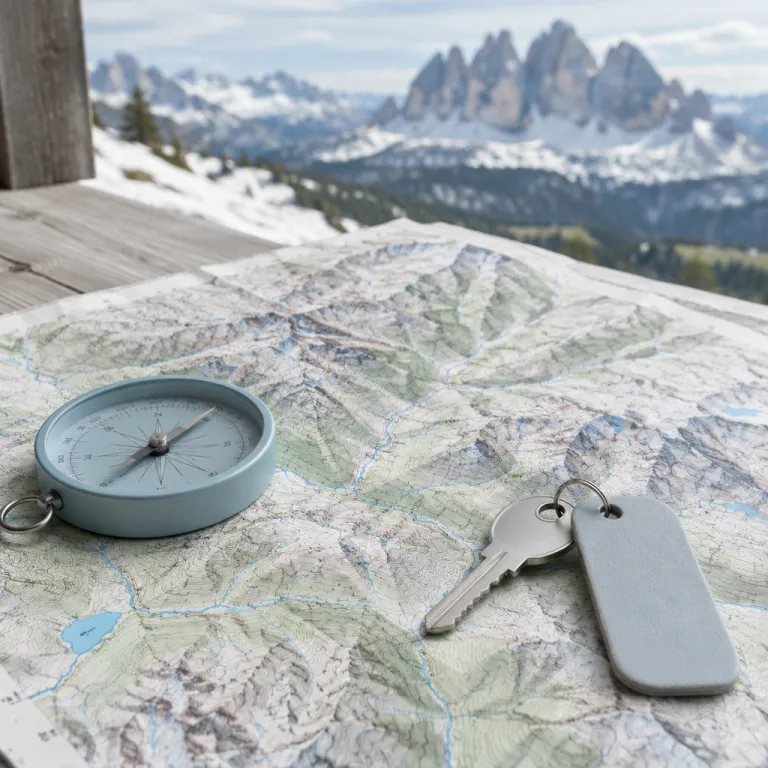
Understanding where South Tyrol is in the Alps
To understand where South Tyrol is, start with the map of northern Italy. This autonomous province sits at the very north of the country, forming a high Alpine gateway between the Italian Trentino Alto Adige region, Austria, and Switzerland. When luxury travelers ask where South Tyrol belongs culturally, the answer is nuanced yet clear.
South Tyrol, also known as Alto Adige, is officially part of Italy but historically linked to Tyrol and the wider central European mountain world. The province covers about 7 400 km² of mountainous terrain, with dramatic mountain ranges that include some of the most beautiful sections of the Dolomites. When you travel here, you move through a region where German speaking communities, Italian speakers, and Ladin valleys coexist in a refined Alpine setting.
The capital city is Bolzano, or Bozen in German, which anchors the south of the province and offers easy reach to both vineyard lined valleys and high mountain passes. Officially, three languages share equal status here ; German, Italian, and Ladin shape everything from road signs to menus and museum labels. For guests booking premium hotels, this multilingual, south Tyrolean identity creates a unique experience that feels both Italian and Tyrolean at the same time.
Many travelers first hear about South Tyrol when researching where to stay near the Dolomites or when planning a luxury ski break in Tyrol winter conditions. The question where is South Tyrol often appears alongside searches for the best places Italy can offer for a combined spa, hike, and gastronomy escape. Once you understand that this region forms the northern half of Trentino Alto Adige, with borders touching Austria, the geography of your Alpine journey becomes much easier to plan.
How South Tyrol fits within the Dolomites and wider Alpine mountain ranges
South Tyrol lies at the intersection of several major mountain ranges, which is why it feels so varied over relatively short distances. To the east and south, the pale limestone towers of the Dolomites rise above pine forest slopes and emerald meadows, while to the north the main Alpine mountain range forms the natural border with Austria. Understanding where South Tyrol sits within these ranges helps you choose the right valley, altitude, and hotel style for your stay.
When you compare South Tyrol with other Alpine destinations such as Chamonix, altitude and orientation become crucial for luxury planning. Resources that explain how high Chamonix is and what that means for your luxury Alpine stay can help you interpret similar data for South Tyrol, especially when deciding between valley based spa resorts and high plateau retreats. In this Italian autonomous province, elevations range from gentle vineyard hills around Bolzano to rugged peaks above 3 000 m, so the best time and place to book depends on whether you prioritise sun, snow, or cool summer months.
The Dolomites section of South Tyrol includes famous areas such as Val Gardena, Alta Badia, and the Seiser Alm plateau, each framed by a different mountain range profile. These are among the top places Italy offers for guests who want to hike in the morning, relax in a panoramic spa in the afternoon, and dine on refined Tyrolean cuisine in the evening. In winter, the same slopes transform into a vast ski carousel, while in summer the network of trails, cable cars, and mountain huts turns the region into a paradise for every level of hike.
Because South Tyrol is compact yet vertically dramatic, you can travel from a warm valley lake to a snow dusted pass in a single day trip. Luxury hotels often use this contrast to curate unique experience packages, combining private transfers, guided excursions, and gourmet picnics in secluded pine forest clearings. When you know precisely where South Tyrol sits between the Dolomites and the main Alpine ridge, you can align your booking with the landscapes that match your travel style.
Culture, language, and what makes the South Tyrolean experience unique
Location explains only part of where South Tyrol sits in the Alpine imagination ; culture completes the picture. This is a German speaking majority province inside Italy, with Italian and Ladin communities adding further layers, so the atmosphere feels both cosmopolitan and rooted. For luxury travelers, that mix translates into refined service standards, multilingual staff, and a hospitality style that blends Tyrolean warmth with Italian elegance.
In practical terms, you will see the word Tyrol in many forms, from historic references to the old County of Tyrol to contemporary names such as Tyrol Castle above Merano. This medieval castle, now a museum of regional history, symbolises how the region bridges north and south, and it is one of the top places to visit on a curated day trip from many five star hotels. When guests ask where to stay for a strong sense of heritage, properties near this castle or in the old town of Bolzano provide immediate access to both history and modern design.
Gastronomy is another way to understand where South Tyrol stands between Alpine and Mediterranean worlds. Menus often feature South Tyrolean and broader Tyrolean cuisine alongside Italian classics, so you might enjoy Schlutzkrapfen pasta, knödel dumplings, and local lake fish followed by an espresso and grappa. Many luxury hotels build their identity around this culinary fusion, pairing tasting menus with wines from Alto Adige vineyards and offering private cellar tours as part of a unique experience for discerning guests.
Art and architecture also reflect this duality, especially in Bolzano, the capital city of the autonomous province. Here you can visit the South Tyrol Museum of Archaeology, home to Ötzi the Iceman, and then cross town to a museum of modern and contemporary art for a different perspective on the region. If you are wondering whether other Alpine towns can match this cultural density, guides that explain whether Zermatt is worth visiting for a luxury Alpine stay offer useful comparison points, but South Tyrol’s multilingual, cross border identity remains singular.
When is the best time to visit South Tyrol for luxury stays
Once you know where South Tyrol is, the next question is when to go. The best time depends on whether you are drawn to Tyrol winter landscapes, sunlit vineyards, or cool high altitude escapes in the summer months. Because the region stretches from low valleys to high mountain plateaus, each season offers several micro climates and travel moods.
From late spring to early autumn, the south facing valleys around Bolzano and Merano feel almost Mediterranean, while higher Dolomites valleys remain pleasantly fresh. Many guests choose these summer months to book spa resorts with infinity pools overlooking a mountain range skyline, combining morning hike excursions with afternoons by the water. Lakes such as Lago di Braies and Lago di Carezza become some of the most beautiful places Italy can offer, especially when visited early or late in the day to avoid crowds and preserve a sense of privacy.
Tyrol winter brings a different rhythm, with snow covered mountain ranges turning South Tyrol into a playground for skiers, snowshoers, and spa lovers. The Dolomiti Superski area links many South Tyrolean valleys, so you can travel across multiple ski domains in a single day trip while returning each evening to the same luxury suite. For those who value quiet above all, guidance on the emptiest weeks and why October is when Alpine privacy actually arrives can help you identify shoulder season dates when rates soften and hotels feel more intimate.
Autumn itself is a refined season in this autonomous province, especially in wine growing areas where harvest festivals and gourmet events celebrate South Tyrolean produce. During these weeks, temperatures in the south of the region remain mild, while high passes may already see the first snow, giving you plenty time to combine cultural visits with scenic drives. Whatever the season, understanding the vertical geography of where South Tyrol lies allows you to match your booking window with the exact climate and atmosphere you prefer.
Top places to stay in South Tyrol for lakes, castles, and pine forests
Knowing where South Tyrol is on the map helps, but choosing where to stay within the region shapes your entire trip. The province divides naturally into several top areas, each with its own balance of lake scenery, castle views, and pine forest trails. Luxury and premium hotels tend to cluster in a few key valleys, yet even the most exclusive properties remain within easy reach of major sights.
For lake lovers, the Dolomites side of South Tyrol offers some of the most beautiful water landscapes in the Alps. Properties near Lago di Braies or Lago di Carezza allow you to visit these icons at quieter times, often arranging private transfers so you can hike along the shore before the main day trip crowds arrive. In the south of the region, smaller lakes near Caldaro and Monticolo sit among vineyards and gentle hills, giving a softer, more Mediterranean feel that contrasts with the high mountain range silhouettes to the north.
Guests drawn to history often choose to book hotels near Merano or along the Adige valley, where castles punctuate the slopes above orchards and villages. Tyrol Castle, perched above Merano, is a highlight, and many itineraries pair a guided tour of this castle with a tasting of local wines and South Tyrolean specialties. In these valleys, pine forest belts alternate with terraced vineyards, so you can hike from your hotel door through fragrant woodland before descending to a Michelin starred dining room.
Those who prioritise dramatic Dolomites views usually focus on Val Gardena, Alta Badia, or the Seiser Alm plateau, all firmly within the borders of South Tyrol. Here, luxury hotels often sit directly on the slopes or meadows, offering ski in ski out access in winter and immediate trail access in summer, with the mountain ranges rising almost vertically behind the properties. Wherever you choose to stay, the key is to align your preferred landscape, whether lake, castle, or pine forest, with the specific corner of this autonomous province that best expresses it.
Planning your South Tyrol itinerary from a luxury hotel base
Once you have located where South Tyrol is and selected your preferred valley, the final step is shaping a coherent itinerary around your hotel. Because the region is compact, you can base yourself in one or two properties and still reach many top places by car or private transfer within an hour. This makes South Tyrol ideal for travelers who want to unpack once yet enjoy varied day trip options.
A typical high end itinerary might start with three nights in a spa hotel near Bolzano, giving you time to visit the city’s museums, including the archaeological collection and a museum of modern and contemporary art. From this south facing base, you can travel to nearby vineyards, explore castles in the Adige valley, and enjoy South Tyrolean and broader Tyrolean cuisine in both traditional inns and design forward restaurants. You then move to a Dolomites valley such as Val Gardena for four nights, focusing on hike excursions, panoramic cable car rides, and evenings in a hotel that frames the mountain range skyline through floor to ceiling windows.
Throughout your stay, remember that South Tyrol is an autonomous province with excellent infrastructure, so even remote feeling retreats remain within easy reach of main roads and transport hubs. The population of around 540 000 people supports a dense network of services, yet the mountainous terrain and extensive pine forest areas preserve a strong sense of space and quiet. When guests ask where to stay to balance privacy with access, I often recommend one valley base in the Dolomites and one in the broader Trentino Alto Adige lowlands, giving you both high altitude drama and softer, vineyard lined landscapes.
To make the most of your time, allow plenty time for unstructured hours in your hotel, especially if you have invested in a suite with a view or a private spa. The most beautiful memories often come not from ticking off every lake or castle, but from watching the light change on the mountain ranges from your terrace. In the end, understanding where South Tyrol sits geographically, culturally, and emotionally within the Alps is what turns a simple booking into a genuinely unique experience.
Key figures about South Tyrol for informed luxury travel
- South Tyrol covers roughly 7 400 square kilometres, making it a relatively compact yet diverse Alpine region where you can travel from vineyard valleys to high mountain passes in under two hours by car (source ; provincial statistics office).
- The population stands at just over 540 000 residents, which means service levels are high while overall density remains low compared with many urban regions in central Europe (source ; Province of Bolzano demographic data).
- Three official languages, German, Italian, and Ladin, are recognised in the provincial statute, ensuring that luxury hotels can usually offer multilingual service and that cultural life reflects several traditions at once (source ; South Tyrol autonomy statute).
- Bolzano, the capital city of South Tyrol, lies at approximately 46.5° north and 11.35° east, placing it firmly within the central Alpine arc and within easy reach of major hubs such as Innsbruck, Verona, and Munich by road or rail (source ; geographic coordinates from national mapping agencies).
FAQ about where South Tyrol is and how to stay there
Where exactly is South Tyrol located ?
South Tyrol is the northernmost province of Italy, forming part of the Trentino Alto Adige region and bordering Austria to the north and northeast, as well as Switzerland to the northwest. Its capital is Bolzano, and the territory lies within the central Alpine mountain ranges, including sections of the Dolomites. This position makes it a strategic link between northern and southern Europe.
Which country is South Tyrol in ?
South Tyrol is in Italy, even though much of the population is German speaking and the cultural ties to historic Tyrol remain strong. The province enjoys a high degree of autonomy within the Italian state, which allows it to protect its multilingual character and local traditions. For travelers, this means Italian infrastructure combined with a distinctly Alpine atmosphere.
What is the capital of South Tyrol and why stay there ?
The capital of South Tyrol is Bolzano, also known as Bozen in German. It is the largest city in the province and serves as a transport hub, cultural centre, and starting point for many day trips into surrounding valleys and mountain ranges. Luxury travelers often choose to spend at least one or two nights here to enjoy museums, shopping, and fine dining before or after a stay in higher altitude resorts.
How many official languages does South Tyrol have ?
South Tyrol has three official languages ; German, Italian, and Ladin. This multilingual framework is enshrined in the province’s autonomy statute and shapes everything from education to public administration. For visitors, it ensures that hotel staff, guides, and restaurant teams can usually communicate in several languages, enhancing comfort and flexibility.
Is South Tyrol part of the Dolomites ?
Parts of South Tyrol lie within the Dolomites, particularly valleys such as Val Gardena, Alta Badia, and the Seiser Alm plateau. Other areas of the province belong to different Alpine mountain ranges, including the main ridge along the Austrian border. When planning a trip, it is useful to distinguish between Dolomites valleys and non Dolomites valleys within South Tyrol to match your expectations for scenery and activities.