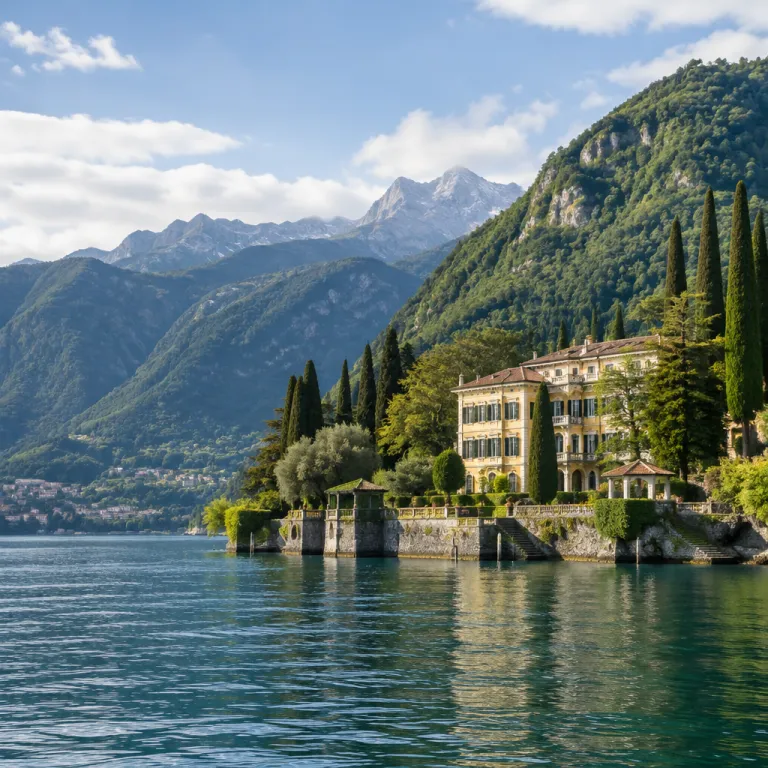
Understanding where Lake Como sits on the map of northern Italy
Lake Como is a glacial lake in Lombardy, in northern Italy, about 40 to 50 kilometres north of Milan. When travellers ask where Lake Como is on the map of Italy, they are really asking how this elegant lake connects to Alpine routes and luxury hotel regions. On any detailed map Lake Como appears as an inverted Y, with the town of Como at the south western tip and Lecco at the south eastern end.
The coordinates of Lake Como are 46° 00′ 00″ north and 9° 17′ 00″ east, which places this lake firmly within the pre Alpine belt that links Milan to Switzerland. This precise position explains why many premium Alpine hotel itineraries combine a stay on the shore of Lago Como with nights in high altitude resorts in Switzerland or the Italian Alps. In which Italian region is Lake Como located? Lombardy, Northern Italy. For reference, these figures match the data published by major encyclopedias and geographic databases such as the Italian National Geoportal.
On a regional map Lake Como, often labelled as Lago di Como or Lago Lario, stretches for about 146 square kilometres between steep mountains and wooded slopes. The lake narrows near Bellagio where the three branches meet, creating a natural crossroads between Como, Lecco and Colico that is ideal for travellers arriving by car from Alpine passes. When you zoom into any digital map lake view, you will see a chain of historic towns such as Varenna, Menaggio and Bellagio aligned along the shore.
Luxury travellers planning Alpine hotels often start by locating Como Italy on a broader map of northern Italy that includes Milan, Lake Maggiore and the Dolomites. Once Como and Lecco are pinned, it becomes easier to edit Lake Como itineraries that connect lakeside villas with high mountain chalets in regions like Engadin or South Tyrol. This geographic clarity is essential for a premium booking website that wants to present Lake Como stays as a refined prelude or finale to an Alpine escape.
Because the lake lies so close to major motorways and rail lines, Como Lake functions as a gentle gateway between urban Italy and the quieter Alpine valleys. Many guests fly into Milan, pick up a rental car and drive north to the towns of Como or Lecco before continuing towards St Moritz, Zermatt or Courchevel. Understanding exactly where Lake Como is on the Italy map allows a booking platform to time transfers accurately and to recommend realistic same day combinations of lakeside lunches and mountain check ins.
For travellers who prefer not to drive a car, the map of Lago Como also highlights ferry routes that link towns such as Bellagio, Menaggio and Varenna. These crossings shorten travel times and create elegant ways to move between luxury villas, including icons like Villa Carlotta and Villa del Balbianello, before heading towards Alpine hotels. When a booking website integrates these map details, it can retrieve optimal routes and present them as curated, time efficient experiences rather than abstract lines on a screen.
Lake Como quick facts
- Region: Lombardy, northern Italy
- Coordinates: 46° 00′ N, 9° 17′ E
- Distance from Milan: roughly 40–50 km (about one hour by car)
- Surface area: about 146 km²
- Shape: inverted Y with three main branches (Como, Lecco, Colico)
- Authoritative sources: figures aligned with data from Encyclopaedia Britannica, Touring Club Italiano and Italian cartographic services
From Lake Como’s shores to Alpine luxury: how location shapes itineraries
Once you understand where Lake Como sits within northern Italy, the next step is to see how its position supports a multi stop journey that includes luxury hotels in the Alps. The southern towns of Como and Lecco sit at lower altitude, offering a mild climate and calm lake views that contrast beautifully with the crisp air of high mountain resorts. This contrast is exactly why many premium travellers choose to spend two or three nights on the shore of Como Lago before ascending to Alpine peaks.
On a typical itinerary, guests might arrive in Como Italy, enjoy a private boat transfer along the western shore and then continue by car towards the Swiss border. The map Lake Como shows how close the lake is to passes that lead to St Moritz or Andermatt, making it a logical first stop for those booking five star Alpine hotels for autumn stays. For curated inspiration on seasonal high altitude stays, many travellers consult a luxury hotels in the Alps shortlist, such as the one presented on a carefully vetted selection of Alpine properties.
The central triangle of Bellagio, Menaggio and Varenna, often referred to as the Bellagio Menaggio Varenna axis, is particularly strategic for Alpine bound guests. From these towns Bellagio and Menaggio offer quick road access to the northern tip of the lake near Colico, where routes branch towards Bormio, Livigno and the Stelvio Pass. A premium booking website can use this knowledge to edit Lake Como packages that align check out times with scenic drives, ensuring that travellers reach their Alpine suites before dusk.
On the eastern shore near Varenna and Lecco, rail connections complement car travel and open refined options for guests who prefer not to drive. From Como Lecco stations, trains link to Milan and then to Alpine gateways such as Bolzano or Innsbruck, which host some of the most acclaimed luxury hotels in the Alps. When a booking platform overlays these rail lines on the map Lake Como, it can present clear alternatives and reassure guests that they can move smoothly between lake and mountain without logistical stress.
Lake Como’s role as a pre Alpine lake also influences the style of accommodation that pairs best with Alpine hotels. Many travellers choose historic villa stays such as Villa Carlotta or Villa del Balbianello for their lakeside nights, then transition to contemporary spa focused properties in the Alps for contrast. Because the lake and the mountains share a similar clientele, a well designed booking website can retrieve guest preferences from previous stays and propose coherent combinations that feel tailored rather than generic.
For those planning longer journeys, the map of Lago Lario helps to visualise how Lake Como sits relative to other Italian lakes and Alpine regions. Como Lake lies west of Lake Garda and south of the Engadin, which means that a circular route can include Lago Como, Dolomite valleys and Swiss resorts without backtracking. When these routes are presented with clear maps and realistic driving times, travellers feel confident enough to commit to higher value bookings that include both lakeside villas and remote Alpine retreats.
Key Lake Como towns and how they connect to Alpine destinations
Looking closely at where Lake Como lies on the map reveals a chain of characterful towns, each with a distinct role in luxury travel planning. The town of Como anchors the south western branch and serves as the main urban gateway, with refined hotels, a historic centre and easy access from Milan by car or train. From here, ferries and private boats fan out along the shore, linking Como to Cernobbio, Tremezzo and the central lake triangle.
On the central western shore, Tremezzo hosts Villa Carlotta, a celebrated villa with botanical gardens that often appears in travel articles about Lago Como. Nearby, the village of Lenno shelters Villa del Balbianello, sometimes shortened to Villa del Balbianello or simply Villa del, which has become a cinematic icon and a favourite stop for guests en route to Alpine resorts. These villas are not hotels, yet they shape the atmosphere of luxury stays and influence how travellers choose their accommodation in both Lake Como and the Alps.
Across the water, the eastern shore features Varenna, a compact town with colourful houses, a lakeside promenade and direct rail access. Varenna is also home to Villa Monastero, a former monastery turned villa with terraced gardens that stretch along the lake, offering views that rival any Alpine panorama. Because Varenna combines charm, transport links and cultural sites, it is often used as a pivot point in itineraries that continue towards South Tyrol and other Alpine regions, such as those explained in depth on guides to choosing the most beautiful Alpine stays.
Further north, Menaggio and Colico sit on the western and northern edges of the lake, close to mountain passes and ski areas. Menaggio offers a relaxed promenade and golf course, while Colico marks the transition from the main body of Lago Lario to the Valtellina valley and the road towards Bormio. For a luxury hotel booking website, these towns Bellagio, Menaggio and Colico are crucial markers when calculating transfer times between lakeside suites and high altitude chalets.
Bellagio, often called the pearl of Lake Como, occupies the promontory where the three branches meet and commands views of both the Como and Lecco arms. Its position on the map Lake Como makes it a natural hub for ferries, which allows guests to move effortlessly between Bellagio, Varenna and Menaggio without relying solely on a car. This flexibility is particularly valuable for travellers who want to enjoy long lunches by the lake before continuing towards Alpine hotels in the late afternoon.
Smaller hamlets such as San Giovanni near Bellagio and San Siro on the western shore add further nuance to itinerary planning. These quieter villages often host intimate villas and refined guesthouses that appeal to travellers seeking privacy before or after a stay in a grand Alpine hotel. When a booking platform understands the micro geography of these towns and retrieves up to date availability, it can propose stays that feel both exclusive and logistically seamless.
Historic layers around Lake Como and their appeal to Alpine travellers
Understanding where Lake Como sits in Italy also means understanding its long history, which enriches any journey that continues into the Alps. The lake, known in Latin as Larius or Lacus Larius, has been appreciated since Roman times as a retreat from the heat of the Po Valley. Traces of Roman villas and roads still shape the landscape, especially along the lower western shore near Como and Cernobbio.
This Roman heritage influences the architectural language of many later villas, including neoclassical residences such as Villa Carlotta and the refined lines of Villa del Balbianello. When travellers stroll through these gardens, they experience a continuity of leisure culture that stretches from Roman elites to modern guests who now split their time between Lago Como and Alpine ski resorts. The sense of historical depth adds emotional value to a stay and often justifies the premium rates charged by both lakeside and mountain properties.
Religious history also leaves its mark on the map Lake Como, with churches and sanctuaries perched above the water. The hamlet of San Giovanni near Bellagio, for example, combines a small harbour with a historic church that frames views across the central lake. Such places offer quiet moments that contrast with the lively atmosphere of ski villages, making them ideal pauses in an itinerary that moves from Como Lake to the Alps.
On the eastern shore, Varenna’s Villa Monastero embodies the transition from monastic austerity to aristocratic leisure, a story that resonates with travellers interested in culture as much as scenery. The villa’s long garden path, lined with statues and exotic plants, feels almost like a lakeside counterpart to Alpine panoramic trails. When a booking website highlights these narratives in its articles, it helps guests appreciate why a few days on Lago Lario can deepen their overall Alpine experience.
Isola Comacina, the only island on Lake Como, adds another historical layer with its early Christian ruins and artistic heritage. Reached by boat from the western shore, this small island offers views back towards villages such as Sala Comacina and Ossuccio, where traditional stone houses climb the slopes. For travellers who will later stay in Alpine hamlets, the island visit creates a visual dialogue between lake and mountain architecture.
Because history is a strong motivator for high end travellers, a luxury hotel booking website should retrieve and present accurate context rather than generic descriptions. That includes clear references to Roman roots, medieval trade routes and the Grand Tour tradition that once brought aristocrats to both Lago Como and Alpine spas. When these elements are woven into hotel descriptions and route planning, guests feel that their journey is curated with intellectual care as well as logistical precision.
Practical mapping: transfers, seasons and Alpine hotel strategy
Once travellers know where Lake Como sits on the Italian map, they can start planning the practical side of moving between the lake and Alpine hotels. The most common approach is to rent a car in Milan, drive to Como or Lecco and then continue north towards the Alps after a lakeside stay. This route allows maximum flexibility, especially for guests who want to stop in smaller towns along the shore of Lago Como.
However, a well designed booking website should also present alternatives for those who prefer not to drive a car. Rail links from Como and Lecco to Milan, combined with onward trains to Alpine hubs such as Tirano or Bolzano, create elegant low stress options that still feel luxurious. When the platform overlays these options on a map Lake Como interface, guests can compare travel times and choose the mode that best matches their style.
Seasonality plays a crucial role in how Lake Como pairs with Alpine hotels, and this is where expert curation becomes essential. Many travellers choose Lago Lario for spring and autumn stays, enjoying mild temperatures and quieter towns before heading to the Alps for late season hiking or early snow. For an inside look at how mountain properties manage these shoulder periods, readers can consult insights on how Alpine hotels spend the weeks with no guests.
In summer, Lake Como’s breezes and water based activities complement high altitude trekking and glacier visits in the Alps. A booking website that understands where Lake Como sits on the Italy map can suggest logical pairings, such as three nights in Bellagio followed by four nights in an Engadin spa hotel. By retrieving historical weather data and aligning it with guest preferences, the platform can edit Lake Como and Alpine combinations that feel both indulgent and sensible.
Winter requires more careful planning, because some mountain passes near Colico and the upper lake may close due to snow. In this season, the map Lake Como should highlight all weather routes via tunnels and major highways, ensuring that guests can still move from Como Lake to ski resorts without delays. Clear communication about these routes builds trust and reinforces the booking website’s authority in both lake and mountain environments.
Throughout the year, timing is everything, and this is where precise mapping and itinerary design intersect. A platform that knows the real driving times between towns such as Bellagio, Menaggio, Varenna and key Alpine resorts can prevent rushed check outs or late arrivals. By integrating this knowledge into its booking engine, the website turns the simple question of where Lake Como is in Italy into a foundation for refined, stress free luxury travel.
How a luxury booking website should present Lake Como within Alpine trip planning
For a luxury and premium hotel booking website focused on the Alps, the way it presents where Lake Como sits in Italy can significantly influence conversion. The lake should appear not as an isolated destination, but as an elegant foreword or epilogue to an Alpine narrative. That means showing Lago Como on the same interactive map as St Moritz, Zermatt, Courchevel and Dolomite valleys, with clear distances and travel times.
High quality cartography is essential, with the inverted Y shape of Lake Como clearly visible and key towns such as Como, Lecco, Bellagio, Menaggio, Varenna and Colico labelled. Layers should allow users to toggle between driving routes, ferry lines and rail connections, making it easy to see how a car free journey might unfold. When guests can visualise these options, they are more likely to commit to complex itineraries that include both lakeside villas and remote Alpine lodges.
Content strategy matters as much as mapping, and this is where carefully written articles come into play. A strong editorial section might include pieces on the history of Villa Carlotta, the cinematic appeal of Villa del Balbianello or the quiet charm of Villa Monastero in Varenna. Each article should link these cultural highlights back to the broader Alpine context, explaining how a morning at a lakeside villa can pair with an evening arrival at a mountain spa hotel.
The booking interface should also allow guests to edit Lake Como segments within a larger Alpine itinerary without losing clarity. For example, a user might start with a seven night Alpine package and then add two nights on the shore of Como Lake, with the system automatically recalculating transfers. When this process feels intuitive, travellers perceive the platform as both sophisticated and user friendly.
Trust is reinforced when factual information about Lake Como’s location and size is presented transparently. Answers such as “What are the coordinates of Lake Como? 46° 00′ N, 9° 17′ E” and “How far is Lake Como from Milan? About 40 to 50 kilometres north” should appear in concise information boxes. By citing recognised sources such as Lake Como guides and major encyclopedias, the website signals that its recommendations rest on verified data rather than vague impressions.
Finally, a premium booking website should retrieve and highlight guest reviews that mention both Lake Como and Alpine stays in the same journey. When travellers read about others who combined Bellagio Menaggio ferry rides, quiet evenings in San Giovanni or Isola Comacina visits with days of skiing or hiking in the Alps, they understand the value of this dual destination approach. In this way, the simple geographic fact of where Lake Como lies in northern Italy becomes a powerful storytelling tool that drives higher quality bookings.
Lake Como, Lago Lario and the wider northern Italy luxury landscape
Placing where Lake Como is in Italy on a map within the broader context of northern Italy helps travellers compare it with other lakes and Alpine gateways. Lago Como, also known as Lago Lario or simply Lario, sits west of Lake Garda and south of the Swiss border, forming part of a constellation of water and mountain destinations. This constellation is the playground for many luxury travellers who combine lakeside relaxation with high altitude adventure.
On a regional map, Como Italy appears as a key node linking Milan, the Ticino region of Switzerland and the central Alps. From Como, roads and railways radiate towards Lugano, Chiasso and the Splügen and San Bernardino passes, while from Lecco routes lead towards Bergamo and the Orobie Alps. When a booking website visualises these connections clearly, guests can see how a stay on the shore of Como Lago fits into a larger northern Italy and Alpine circuit.
The presence of iconic villas such as Villa Carlotta, Villa del Balbianello and Villa Monastero reinforces Lake Como’s status as a cultural as well as geographic landmark. These villas often appear in high end travel articles and are frequently retrieved by image searches, which means they act as visual anchors for the destination. A savvy booking platform will reference them in hotel descriptions, while clarifying that they are visitable sites rather than accommodation, and then suggest nearby luxury hotels that match their atmosphere.
Smaller localities such as San Giovanni, Cadenabbia or the villages near Isola Comacina add texture to the map Lake Como, offering quieter alternatives to the busier central towns. For travellers who value privacy, these places can be paired with equally discreet Alpine retreats in valleys like Engadin or Aosta. By presenting these pairings side by side on an interactive map, the website helps guests feel that their journey is both coherent and personalised.
Because many travellers research their trips months in advance, often starting in April when they first edit Lake Como and Alpine plans, the platform should keep all geographic and logistical information constantly updated. Ferry timetables, road works near Colico or seasonal closures on the eastern shore can all affect how realistic an itinerary feels. When such details are retrieved automatically and integrated into the booking flow, the user experience remains smooth and trustworthy.
Ultimately, Lake Como’s precise location in northern Italy, its distinctive inverted Y shape and its network of historic towns make it an ideal partner for Alpine luxury travel. By treating the question of where Lake Como is in Italy as the starting point for thoughtful route design, a premium booking website can elevate its role from simple intermediary to expert travel curator. That shift in perception is what turns one time visitors into loyal guests who return to both Lago Como and the Alps season after season.
Key figures and geographic statistics for Lake Como and Alpine trip planning
- Lake Como covers an area of about 146 square kilometres, making it one of the largest lakes in Italy and a substantial presence on any northern Italy map used for luxury itinerary design (data referenced from major encyclopedic sources and Italian cartographic institutes).
- The lake lies roughly 40 to 50 kilometres north of Milan, which translates into a driving time of about one hour under normal conditions, an important benchmark when planning same day transfers to or from Alpine hotels (distance figure referenced from Lake Como guides and regional transport planners).
- The coordinates of Lake Como are approximately 46° 00′ north latitude and 9° 17′ east longitude, placing it firmly within the pre Alpine zone that connects Lombardy to the central Alps and Swiss resorts (coordinate data referenced from geographic databases and national mapping agencies).
- With a shoreline that extends for more than 150 kilometres when following every curve and bay, Lago Lario offers a dense concentration of towns and villas, which allows a luxury booking website to propose multiple distinct two or three night stays along a single lake.
- Rail connections from Como and Lecco to Milan typically take between 35 and 60 minutes, creating a reliable link between the lake and major transport hubs that feed long haul arrivals heading towards Alpine destinations (timings based on Italian rail operator schedules and regional timetables).
FAQ about Lake Como’s location and its link to Alpine luxury stays
Where exactly is Lake Como located within Italy?
Lake Como is located in the Lombardy region of northern Italy, about 40 to 50 kilometres north of Milan. It lies within the pre Alpine belt, close to the Swiss border and major routes leading into the central Alps. On most maps it appears as an inverted Y shaped lake labelled Lago di Como or Lago Lario.
How close is Lake Como to major Alpine resorts?
From Lake Como, many prominent Alpine resorts can be reached within two to four hours by car, depending on traffic and season. St Moritz and the Engadin valley are among the closest, accessible via passes north of the lake or via Switzerland’s motorway network. Resorts in the Dolomites or western Alps require longer drives but still pair well with a two or three night stay on the lake.
Which Lake Como towns are best for continuing into the Alps?
Como and Lecco are ideal for arrivals from Milan, while Bellagio, Menaggio, Varenna and Colico work well as stepping stones towards Alpine destinations. Menaggio and Colico are particularly convenient for routes towards Bormio, Livigno and the Stelvio Pass. Varenna offers strong rail connections that link easily to onward trains into Alpine regions.
Is it better to visit Lake Como before or after an Alpine stay?
Many travellers choose to start with Lake Como to unwind after their flight, then continue to the Alps for more active days. Others prefer to end at the lake, using its milder climate and relaxed atmosphere as a gentle transition before flying home. Both approaches work well, and the choice often depends on flight times and personal preference.
Do I need a car to combine Lake Como with Alpine hotels?
A car offers the greatest flexibility, especially for reaching smaller Alpine villages and exploring multiple Lake Como towns in one trip. However, it is possible to rely on trains and ferries, using rail links from Como and Lecco to Milan and then to Alpine hubs, combined with local transfers. A good booking website will present both options clearly, with realistic travel times and suggested routes.