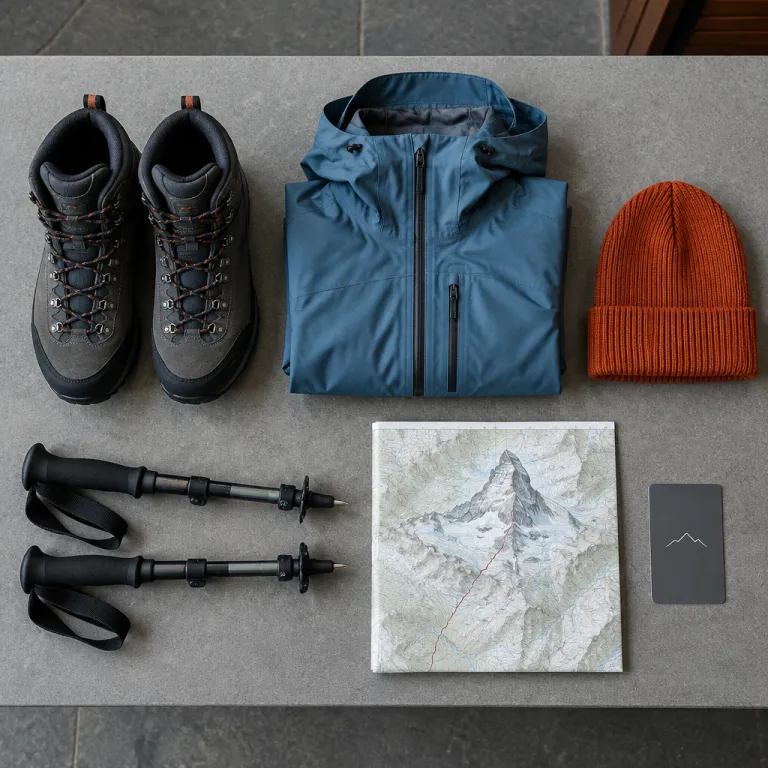
Why a Matterhorn hike pairs perfectly with luxury hotels in Zermatt
A Matterhorn hike is not just a walk; it is an immersion in a beautiful mountain landscape that deserves an equally refined place to sleep. When you plan a trip to Zermatt in the Swiss Alps, the right luxury hotels will frame every climb and every trail with comfort, privacy, and attentive service. This combination turns demanding hiking days into a seamless alpine experience where you return from the mountain to a spa, a fine dining table, and a perfectly prepared base layer drying in your suite.
The Matterhorn dominates Zermatt like a stone cathedral, and the mountain shapes how premium properties design their rooms, terraces, and wellness areas. Many of the best hotels position their suites so climbers and hikers can watch the summit glow at sunrise before they climb or follow a trail towards the Hörnli ridge. This visual connection to the classic ascent route helps guests feel part of the climbing culture even if their own experience remains on the hiking paths below the snow, ice, and rock.
For travellers focused on a Matterhorn hike rather than technical alpine climbing, Zermatt’s five-star and upper premium hotels offer tailored services. Concierges work closely with local mountain guides and IFMGA mountain professionals to arrange private guiding, transfers to the lifts, and late spa access for tired climbers. Many properties will store boots, adjust breakfast times for an early summit day start, and coordinate with a travel agent if you will stay in several alpine destinations during the same trip.
Choosing the best luxury hotels in Zermatt for a Matterhorn hike
Selecting the best hotels for a Matterhorn hike means looking beyond star ratings to very specific mountain-friendly details. A refined property in Zermatt should offer early breakfast for climbers, gear storage for ropes and rock climbing equipment, and flexible check-in for guests returning from mountain huts after several days on the trail. These touches transform a standard stay into a great alpine base where every plan to climb towards the Matterhorn feels supported rather than rushed.
Many luxury hotels in the Swiss Alps around Zermatt now collaborate directly with Earth’s Alps / Zermatt Guides and other mountain guides to curate technical alpine experiences. Some properties maintain an in-house mountain guide desk where IFMGA mountain professionals brief guests on the technical level of the Hörnli ridge, the condition of snow and ice, and whether climbing the Matterhorn is realistic for their fitness. These same teams help non-climbers choose scenic hiking trails that approach the mountain without requiring any full summit commitment.
When you compare premium hotels, pay attention to their spa and wellness concepts because recovery matters after long hiking days. A generous pool, saunas, and quiet relaxation rooms with direct views of the beautiful mountain skyline will ease tired legs after the trail from Schwarzsee to the Hörnli hut. For curated inspiration on refined properties across the region, many travellers consult a luxury Alps shortlist such as the one presented in this selection of luxury hotels in the Alps, then narrow down to Zermatt for a Matterhorn summer stay.
Designing your Matterhorn hike itinerary from a premium alpine base
A thoughtful itinerary for a Matterhorn hike starts with acclimatisation days based in Zermatt’s high-end hotels. Spend the first one or two days on moderate hiking trails such as the Five Lakes route, letting your body adjust while you enjoy the mountain views and return each evening to a refined dinner. This gentle start helps both casual hikers and ambitious climbers sleep better before tackling steeper rock and mixed snow and ice near the Hörnlihütte.
For guests who aim to climb the Matterhorn with a certified mountain guide, the typical pattern involves a night in Zermatt followed by a hike to the Hörnli hut at 3 260 metres. On this approach trail you gain around 693 metres from Schwarzsee, so a strong base layer and good boots matter even in Matterhorn summer conditions. Many climbers will stay at the hut with their guides, then return to their hotels after summit day for deep rest, spa time, and a celebratory meal overlooking the mountain.
Not every traveller wants to attempt climbing the Matterhorn, and luxury properties are adept at shaping alternative alpine experiences. Concierges can arrange scenic cable car rides, private photography walks, or elegant excursions to other Swiss Alps viewpoints, sometimes pairing them with experiences such as an upscale cable car journey in nearby Chamonix as described in this guide to elegant cable car rides. Whether you are a seasoned climber or a relaxed hiker, the right hotel team and mountain guides will shape each trip day around your technical level and appetite for adventure.
From Hörnlihütte to summit day: how luxury travellers approach the mountain
The Hörnlihütte functions as the key mountain hut for any attempt to climb the Matterhorn via the Hörnli ridge, and it is central to many luxury travellers’ plans. Guests often split their stay between premium hotels in Zermatt and one or two nights in mountain huts, using the hut as a high-altitude staging point. This pattern allows climbers to enjoy refined comfort in the valley while still engaging fully with the technical alpine environment above.
On summit day the climb from Hörnlihütte to the top of the Matterhorn usually takes about four hours up and four hours down for well-prepared climbers. The route involves mixed rock climbing and sections of snow and ice, so IFMGA mountain guides will insist on helmets, ropes, and sometimes crampons depending on conditions. Because the mountain is serious and exposed, many hotels encourage guests to book licensed guides rather than attempt any independent summit project alone.
Luxury travellers often appreciate clear, factual guidance about risk, and local professionals answer recurring questions directly. When guests ask whether non-climbers can hike to the top, the response from the guiding équipe is unambiguous: “Can non-climbers hike to the top? No; the summit requires technical mountaineering skills.” This honesty builds trust, and it helps guests choose between a full climbing objective on the Matterhorn, a demanding Matterhorn hike to Hörnlihütte, or gentler hiking days that still frame the beautiful mountain from safer trails.
Seasonality, Matterhorn summer conditions, and when luxury guests should travel
Timing your Matterhorn hike is crucial, and luxury travellers usually aim for the most stable window between mid July and mid September. During this Matterhorn summer period, the Hörnli ridge often has less unstable snow and ice, and the technical level of the climb becomes more predictable for mountain guides. Hotels in Zermatt align their high-season services with these dates, increasing guide availability and extending spa hours for guests returning late from the mountain.
Even within the July to September season, conditions can change quickly, so flexibility is essential. Many premium properties maintain close contact with Earth’s Alps / Zermatt Guides and Zermatt Bergbahnen to track rockfall risk, weather shifts, and the state of the Hörnli trail. If guides recommend postponing a summit day, concierges can often rearrange spa treatments, restaurant bookings, or alternative hiking trips so your overall experience remains smooth.
Outside the core Matterhorn summer window, the focus shifts from climbing the Matterhorn to lower-altitude hiking and scenic stays in the Swiss Alps. Some travellers enjoy quieter trails and atmospheric evenings in September when the larch forests begin to change colour around Zermatt and other alpine villages. For those curious about extending their season beyond the main climbing months, curated resources such as late season alpine hiking before the huts close help align hotel choices with the final open days of mountain huts and lifts.
Working with mountain guides, travel agents, and hotel concierges
A refined Matterhorn hike or climb begins long before you lace your boots, and the planning phase is where expert partners shine. Many luxury travellers rely on a specialist travel agent to coordinate flights, transfers, and multi-stop itineraries across several alpine resorts. This professional then collaborates with hotel concierges and local mountain guides to align room bookings, hut reservations, and guiding dates into one coherent trip.
In Zermatt, Earth’s Alps / Zermatt Guides and other IFMGA mountain teams provide the technical backbone for any serious project on the Matterhorn. These guides will assess your fitness, previous rock climbing experience, and comfort on exposed terrain before confirming a summit attempt. If your technical level is not yet sufficient, they may suggest several days of preparatory climbing or demanding hiking on nearby peaks while you will stay in the same hotels and gradually build confidence.
Hotel concierges act as the bridge between the rarefied world of luxury hospitality and the raw environment of the mountain. They help arrange rental gear such as helmets, harnesses, and appropriate base layers, and they coordinate early breakfast or late check-out around summit day schedules. When all three actors work together — travel agent, mountain guide, and hotel équipe — the result is a great alpine experience where every trail, hut night, and summit attempt feels carefully orchestrated rather than improvised.
Key figures for a Matterhorn hike and luxury stay
- The Matterhorn rises to 4 478 metres above sea level, which means even hikers who only reach Hörnlihütte at 3 260 metres experience significant altitude exposure compared with many other European trails.
- The demanding Hörnliweg trail from Schwarzsee to Hörnlihütte gains about 693 metres of elevation, so guests should plan at least one acclimatisation day in Zermatt hotels before attempting this hike.
- From Hörnlihütte to the summit, a typical guided climb takes around four hours up and four hours down, making summit day an eight to nine hour effort that justifies a full rest day in the hotel spa afterwards.
- The main climbing season for the Hörnli ridge usually runs from mid July to mid September, and many luxury properties adjust staffing and mountain guide partnerships to match this concentrated demand.
FAQ about Matterhorn hikes, climbs, and luxury hotels in Zermatt
Can non climbers reach the top of the Matterhorn by hiking
No, non climbers cannot reach the summit by hiking alone because the upper section of the mountain requires technical rock climbing and movement on snow and ice with a rope and other equipment. Guests without this experience can still enjoy a demanding Matterhorn hike to Hörnlihütte, which offers impressive views of the ridge and surrounding alpine peaks. Luxury hotels in Zermatt help arrange suitable trails so every visitor enjoys the beautiful mountain without exceeding their technical level.
How many days should I plan in Zermatt for a Matterhorn focused trip
For a balanced mix of hiking, possible climbing, and relaxation in premium hotels, plan at least four to six days in Zermatt. This allows one or two acclimatisation days, a hike to Hörnlihütte or other mountain huts, and enough flexibility to adjust summit day or main trail days to the weather. Extra nights also give you time to enjoy spa facilities, fine dining, and other Swiss Alps excursions arranged by your travel agent or hotel concierge.
When is the best season for a Matterhorn hike or climb
The most reliable period for a Matterhorn hike to Hörnlihütte or a guided ascent of the Matterhorn via the Hörnli ridge is usually from mid July to mid September. During this Matterhorn summer window, mountain guides find more stable conditions on the rock and reduced snow and ice on key sections. Outside these dates, many hotels shift the focus towards lower altitude hiking and scenic stays rather than technical alpine climbing.
Do I need a mountain guide for climbing Matterhorn from Hörnlihütte
For almost all guests staying in luxury and premium hotels, hiring an IFMGA mountain guide is strongly recommended for climbing the Matterhorn. The route involves exposed rock climbing, mixed terrain, and complex route finding, which professional guides will manage while you focus on movement and pacing. Hotels in Zermatt maintain close relationships with reputable guiding équipes and can help secure a guide well before your trip.
How do luxury hotels support hikers and climbers around the Matterhorn
High-end hotels in Zermatt support hikers and climbers by offering early breakfasts, gear storage, drying rooms for base layers, and flexible check-in or check-out around hut nights. Many properties coordinate directly with mountain guides and travel agents to align summit day plans, transfers to lifts, and post-climb spa treatments. This integrated approach ensures that every trail, hut stay, and mountain experience fits smoothly within a refined Swiss Alps holiday.