Hotels in Sesto: a gateway to the Tre Cime di Lavaredo and the Sexten Dolomites
Sesto sits at 1,310 metres in the upper Puster Valley of South Tyrol, tucked into the northeastern corner of the Dolomites where Italy approaches the Austrian border. The village is the last settlement before the Val Fiscalina, one of the most celebrated hiking valleys in the entire Alpine arc, and it serves as the primary base for visitors to the Tre Cime di Lavaredo, the three obelisk-shaped rock towers that have become the universal symbol of the Dolomites. The hotel scene in Sesto reflects this position: it is shaped by the mountains, oriented toward hiking and Nordic skiing, and grounded in the South Tyrolean tradition of combining outdoor activity with generous hospitality and serious wellness infrastructure.
The village itself is small and quiet. A church, a main street, a scattering of shops and restaurants, and a collection of hotels and guesthouses that line the road toward the Val Fiscalina. Sesto has none of the resort gloss of Cortina or the commercial density of the Val Gardena villages. Its appeal is architectural simplicity, mountain proximity, and the quality of the landscape that surrounds it. The Sexten Dolomites rise directly above the village, forming a wall of pale rock that catches the light from dawn to dusk and changes colour through the day in a way that has been described, without much exaggeration, as the finest natural light show in the Alps.
The Sundial peaks: a geological compass above the village
The peaks that rise above Sesto are arranged in a formation that has long been called the Sundial of Sesto. Five summits, Cima Nove, Cima Dieci, Cima Undici, Cima Dodici, and Cima Una, are named after the hours of the day at which the sun passes above them when viewed from the village. This geological coincidence gives the skyline a narrative quality that few mountain panoramas can match. The Sundial is visible from many of the hotels in Sesto, and properties that face south toward these peaks offer a room view that is, by any measure, among the most dramatic in the Dolomites.
The rock quality of the Sexten Dolomites is distinctive even by Dolomite standards. The towers and walls are composed of the same pale Dolomia that characterises the entire range, but the formations here tend toward the vertical and the isolated: single towers, narrow ridges, and free-standing pinnacles that rise from the forested slopes like pieces of a ruined cathedral. This landscape draws climbers from across Europe, and the via ferrata routes on the Sexten peaks are among the most famous in Italy. Hotels in Sesto that cater to the climbing and mountaineering market often provide equipment storage, route advice, and early breakfast service for guests heading out before dawn.
Val Fiscalina: the most beautiful dead-end valley in the Alps
The Val Fiscalina begins at the edge of Sesto and runs for roughly four and a half kilometres into the heart of the Sexten Dolomites, ending at the Talschlusshütte, a mountain hut positioned at the base of the Einserkofel. The valley is closed to private vehicles, which gives it a quality of silence and immersion that is increasingly rare in the popular Dolomite areas. The walk up the valley floor follows a gentle gravel path through spruce forest and open meadows, with the Sundial peaks visible ahead and the sound of the Fiscalina stream running alongside. It is one of the great introductory walks in the Dolomites: accessible to all fitness levels, visually spectacular, and long enough to feel like a genuine mountain experience rather than a stroll.
From the head of the Val Fiscalina, trails branch in several directions. The route to the Tre Cime di Lavaredo climbs through the Fiscalina Alta valley and over the Forcella Giralba before descending to the Rifugio Locatelli, which sits on the northern side of the Tre Cime and offers one of the defining views of the Dolomites. This is a full-day hike that demands reasonable fitness and mountain experience, but the reward is an approach to the Tre Cime that avoids the toll road and the crowds on the southern side. Hotels in Sesto frequently organise guided hikes along this route, and the local mountain guides know the terrain with the intimacy that comes from a lifetime of walking the same paths.
The Tre Cime loop: a hike that defines the Dolomites
The Tre Cime di Lavaredo loop trail is the single most popular hike in the Dolomites, and for good reason. The circuit of roughly ten kilometres passes beneath the north faces of the three towers, crosses two saddles, and offers continuous views of the Sexten Dolomites, the Cadini group, and, on clear days, the glaciated peaks of the Austrian Alps to the north. Most visitors access the loop from the Auronzo side via the toll road, but the approach from Sesto through the Val Fiscalina is longer, quieter, and far more rewarding. A guest staying in Sesto can combine the Val Fiscalina walk with the Tre Cime loop in a single ambitious day, or split it across two days with an overnight at one of the rifugi along the route.
The hut system in the Sexten Dolomites is well developed. Rifugio Locatelli, Rifugio Comici, Rifugio Zsigmondy, and the Dreizinnenhütte all provide overnight accommodation and meals during the summer season, and the tradition of hut-to-hut hiking is deeply embedded in the culture of the area. Hotels in Sesto that serve the hiking market understand this rhythm: early breakfast, packed lunch, advice on conditions and routes, and a wellness area that is open in the late afternoon when hikers return tired and in need of warmth and recovery.
Cross-country skiing: the Nordic heartland of the Dolomites
Sesto occupies a special position in the world of Nordic skiing. The cross-country trails around Sesto and the neighbouring community of Dobbiaco form part of the Dolomiti Nordicski network, which encompasses over two hundred kilometres of groomed trails across the northeastern Dolomites and is one of the largest cross-country ski areas in Europe. The trails around Sesto run through the valley floor and into the lower reaches of the Val Fiscalina, offering Nordic skiers the experience of gliding through a landscape of exceptional beauty with the Sundial peaks rising above the tree line.
The Nordic Arena in nearby Dobbiaco is a training centre of international standing, used by World Cup athletes and hosting stages of the cross-country skiing calendar. The presence of this facility raises the standard of trail preparation and infrastructure across the entire area, and even recreational Nordic skiers benefit from grooming quality that meets competitive standards. Hotels in Sesto that cater to the cross-country market offer waxing rooms, equipment storage, and access to the trail network from the hotel doorstep or within a short shuttle ride. The season runs from December to March, with the most reliable conditions in January and February when the valley floor holds its snow cover and the temperatures keep the trails firm.
Alpine skiing from Sesto: the Tre Cime lift system
While Sesto is primarily a Nordic and hiking destination, alpine skiing is available through the Tre Cime Dolomites ski area, which connects the slopes above Sesto with the neighbouring resorts of San Candido and Dobbiaco. The ski area offers around eighty kilometres of pistes, mostly in the intermediate range, with good tree-line skiing that holds its snow well and provides shelter on stormy days. The Helm mountain above Sesto is the main ski sector accessible from the village, with a gondola rising from the edge of town to the upper slopes. The skiing is honest rather than spectacular: well-groomed runs through the forest, reliable snow, and a relaxed atmosphere that suits families and intermediate skiers.
The ski area is connected to the Dolomiti Superski pass, which opens up access to over 1,200 kilometres of pistes across the Dolomites. A guest staying in Sesto can ski the local slopes during the week and make day trips to Kronplatz, Alta Badia, or the Val Gardena on the Superski pass, though the drive to these larger areas takes between forty-five minutes and an hour. The local skiing, however, is usually sufficient for a week-long stay, particularly for guests who are splitting their time between alpine skiing and Nordic activities.
Where to stay in Sesto: hotel categories and accommodation types
The accommodation landscape in Sesto spans several categories. The village has a concentration of four-star hotels with wellness facilities that define the South Tyrolean standard: indoor pool, Finnish sauna, bio sauna, steam bath, and relaxation rooms with panoramic views. A handful of properties carry the Berghotel designation, indicating a mountain hotel with direct trail access and a character shaped by altitude and proximity to the peaks. The Berghotel Alpenblick, perched above the village, exemplifies this tradition with its south-facing terrace and unobstructed views of the Sundial peaks. For guests seeking a more independent stay, apartments and holiday apartments in Sesto offer a self-catering alternative with the flexibility to set your own schedule and the freedom to explore the valley at your own pace.
The price range in Sesto reflects its position as a serious hiking and Nordic destination rather than a mass-market resort. A night in a four-star hotel with half-board during peak summer season represents good value compared to the more commercialised Dolomite resorts, though winter holidays during the Christmas and Carnival weeks carry a premium. Booking directly with the hotel rather than through online platforms sometimes yields better rates or included extras such as free access to the Sexten wellness centre or a complimentary guided hike. Star ratings align closely with the actual quality of the experience: a three-star property in Sesto typically delivers a comfortable room, excellent breakfast, and warm family hospitality, while four-star hotels add the wellness infrastructure and multi-course dinners that have become the hallmark of South Tyrolean mountain holidays.
Guest reviews and ratings on major booking platforms consistently place Sesto hotels in the exceptional and wonderful categories. The combination of mountain location, wellness facilities, and the personal character of family-run properties earns praise that reflects genuine quality rather than marketing. Guests frequently describe their stay as beautiful, noting the special atmosphere of a village where the mountains are not a backdrop but the reason for everything. The bar and restaurant culture in Sesto hotels reinforces this impression: an evening drink in a wood-panelled Stube with views of the Sundial peaks is one of the quiet pleasures of a Dolomite holiday.
Practical details: parking, access, and winter logistics
Parking in Sesto is straightforward. Most hotels offer free private parking, either in a garage or an outdoor area, and the village has public parking areas for day visitors heading to the Val Fiscalina. The charge for the Val Fiscalina shuttle, which runs from the village directly to the head of the valley during peak summer and winter season, is modest and saves the effort of finding parking at the trailhead. Check-in at most hotels begins in the early afternoon, and many properties offer luggage storage and a welcome drink for guests arriving before their room is ready.
Sesto is located in the eastern Dolomites, roughly twenty kilometres from Dobbiaco and the Puster Valley rail line. For guests arriving by car, the drive from the Brenner motorway takes approximately ninety minutes. The location is quieter and more remote than the central Dolomite resorts, which is precisely the point: guests who choose Sesto are choosing a destination where the lake at Dobbiaco is a twenty-minute drive, the alpine skiing at Tre Cime is at the doorstep, and the cross-country trails start from the edge of the village. In winter, the approach roads are well maintained, and snow chains or winter tyres are required by law from mid-November to mid-April.
Notable hotels and the Berghotel tradition in the Sexten Dolomites
The Berghotel concept has deep roots in the Sesto hospitality tradition. A Berghotel is not simply a hotel in the mountains; it is a property whose identity is inseparable from the alpine environment. The Berghotel Alpenblick in Sesto embodies this philosophy: positioned on the slopes above the village, it offers a view of the Sundial peaks that changes through the day as the light moves across the rock faces. The nightly charge at a Berghotel of this calibre reflects the exceptional setting and the wellness infrastructure — pool, sauna, panoramic terrace — rather than designer interiors or urban luxury. Guests who check in at a Berghotel in Sesto are choosing proximity to the mountains over proximity to shops, and the reviews suggest they rarely regret the choice.
Lake Dobbiaco, a twenty-minute drive from Sesto, adds a water dimension to the landscape that complements the rock and forest of the Sexten Dolomites. In summer, the lake serves as a destination for a half-day excursion: a walk around the shore, a coffee at the lakeside bar, and a view of the Cristallo group reflected in still water. In winter, the lake area is the starting point for some of the finest cross-country trails in the Puster Valley. Hotels in Sesto that promote the lake excursion understand that a mountain holiday benefits from variety, and that a morning at the lake followed by an afternoon on the Val Fiscalina trails creates a day of wonderful contrasts.
The reviews left by guests at Sesto hotels paint a remarkably consistent picture. Words like wonderful, excellent, and exceptional appear with a frequency that suggests genuine quality rather than inflated expectations. The Berghotel Alpenblick and several other properties in the village earn particular praise for the quality of the evening dining, the view from the room balcony, and the attentive service at the bar and breakfast room. The price per night, while not the cheapest in the Puster Valley, is consistently described as fair for what is delivered. Guests who check out after a week frequently note that the stay exceeded their expectations, and the proportion of repeat bookings in Sesto supports this assessment: when the mountain view, the wellness facilities, and the warmth of the welcome align, the guest comes back.
What a night in Sesto actually costs
The charge for a night in Sesto varies by season, property category, and the level of included services. A three-star hotel or Berghotel in a quiet position above the village might charge between ninety and one hundred and thirty euros per person per night in half-board during summer, while the same property in peak winter season commands a premium of roughly twenty to thirty percent. The Berghotel Alpenblick and similar properties at the upper end of the range include extensive wellness access, a multi-course dinner, and free parking in the nightly rate, which makes the headline charge more reasonable than it first appears. Guests booking directly with the hotel for stays of a week or longer can sometimes negotiate a reduced rate or included extras such as a free guided hike or a complimentary spa treatment.
The parking situation in Sesto deserves special mention. Most hotels and Berghotel properties offer free covered or garage parking, which is an exceptional convenience for guests arriving by car with skiing or hiking equipment. Properties located directly on the road to Val Fiscalina benefit from beautiful morning light and immediate trail access, a combination that makes the nightly charge feel like excellent value for a destination of this calibre. The village itself is small enough to walk end to end in fifteen minutes, which means that parking at the hotel and exploring on foot is both practical and pleasant.
Returning to Sesto: why guests come back
The pattern of return visits defines the hotel culture in Sesto more than any marketing campaign. Guests who have stayed at the Berghotel Alpenblick or at one of the family-run four-star hotels in the village often book their next stay before checking out. The reasons are consistent across reviews: the exceptional quality of the mountain views directly from the hotel, the wonderful rhythm of a day split between hiking and wellness, the excellent half-board dining, and the personal relationship with the host family that develops over repeated visits. A Berghotel in Sesto is not a place you pass through; it is a place you return to, and the loyalty of the guest base reflects a holiday experience that improves with familiarity.
For first-time visitors weighing the available options, Sesto rewards a careful check of the details before booking. The star rating provides a reliable guide to facilities and service level. The location within the village — whether directly on the road to Val Fiscalina, in the quiet upper slopes near the Alpenblick, or in the center near shops and restaurants — shapes the character of the stay as much as the hotel itself. Guests who prioritise the lake excursion to Dobbiaco, the Nordic skiing, and the sauna culture of South Tyrol will find that a week in Sesto provides a beautiful balance of activity and rest, at a price that reflects genuine mountain hospitality rather than resort-town inflation. The charge per night includes not just a room and meals but access to a landscape, a culture, and a tradition of mountain holidays that has been refined across generations.
The South Tyrolean hotel tradition in Sesto
Hotels in Sesto follow the South Tyrolean model that has made this region one of the most admired hospitality cultures in the Alps. The typical property is family-run, often across three or four generations, with a wellness area that includes an indoor pool, multiple saunas, and a spa treatment menu. Half-board is standard and usually includes a multi-course dinner that draws on both Tyrolean and Italian culinary traditions: canederli and speck alongside pasta and risotto, local dairy products, and bread baked on the premises or sourced from the village bakery.
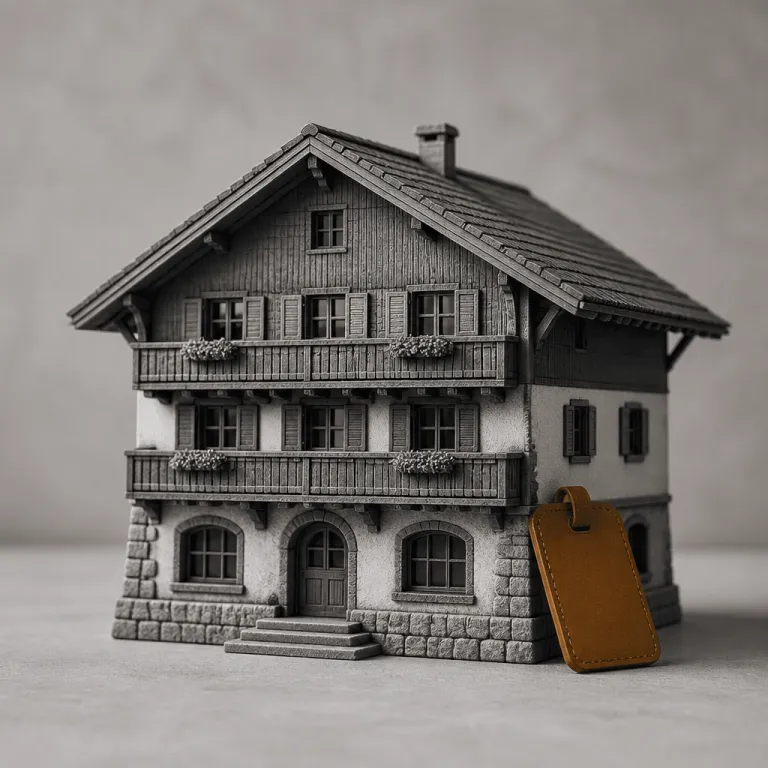
The architectural style tends toward the traditional South Tyrolean Stube aesthetic, with wood-panelled dining rooms, balconied facades, and interiors that use local materials with a confidence that comes from long practice. Some properties have modernised with a contemporary design language, introducing clean lines, glass, and steel into the spa areas and public spaces while retaining the warmth of the traditional rooms. The result, in the best cases, is a hotel that feels both rooted in its place and open to the expectations of a contemporary guest who values design alongside comfort.
The guest profile in Sesto skews toward German-speaking hikers, Italian families in summer, and Nordic skiing enthusiasts in winter. The village has a loyal repeat-visit clientele, and many hotels report that a significant proportion of their bookings come from guests who have stayed before. This loyalty reflects the quality of the experience: a village that is genuinely embedded in one of the great mountain landscapes of Europe, an accommodation offer that combines activity and wellness with unforced hospitality, and a sense of place that has not been diluted by mass tourism or commercial development. Sesto remains, in the best sense, a village where the mountains come first.