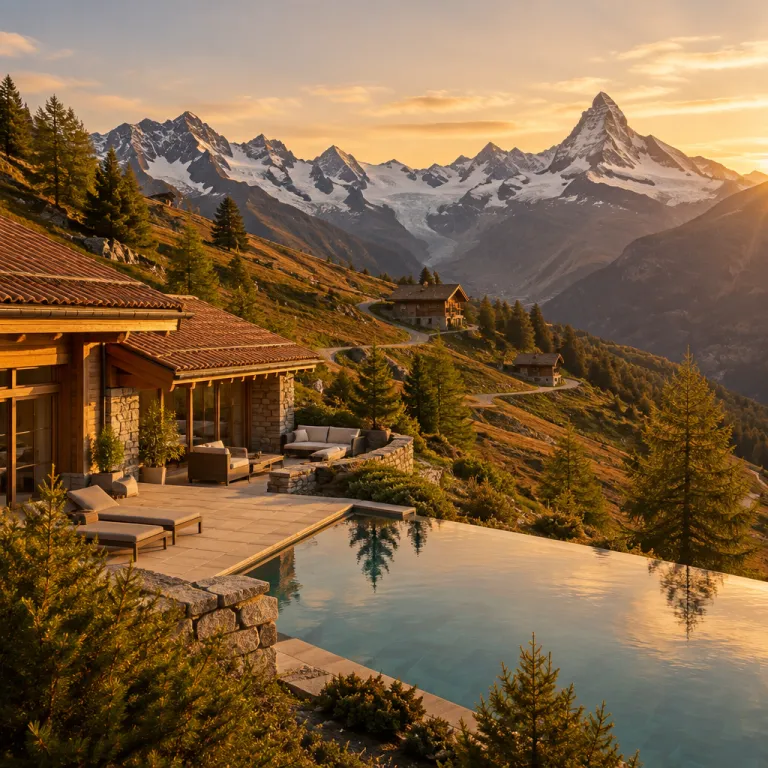
Understanding how high the Swiss Alps rise for your trip planning
Many travellers ask how tall are the Swiss Alps when choosing where to stay. The answer shapes everything from the style of luxury hotels to the kind of ski areas and spa experiences you can expect in this dramatic range. Altitude influences the architecture, the views, and even how you plan your days in the Alps of central Switzerland and eastern Switzerland.
The Swiss Alps form one of the most impressive mountain systems in Europe, stretching across Switzerland from the high Pennine Alps in Valais to the softer hills of Appenzell Ausserrhoden in the north east. Within this range, the highest peaks rise above 4 000 metres, while many elegant resorts sit between 1 000 and 2 000 metres, which is ideal for premium hotels that balance snow reliability with comfortable access. When you compare regions such as the Bernese Oberland, Graubünden, and the Espace Mittelland transition zone, you see how altitude creates distinct atmospheres for different luxury travellers.
For guests booking five star properties, understanding the overall height of the Swiss Alps helps you choose between high altitude ski resorts and lower valley spa towns. A hotel at 1 800 metres in Valais offers long ski seasons and crisp air, while a lakeside property in central Switzerland or the wider Espace Mittelland delivers gentler climates and easier travel connections. Knowing that the Swiss Alps include both towering summits and welcoming valleys allows you to match your preferred comfort level with the right elevation and the right style of service.
Iconic high peaks and what their height means for luxury hotels
When travellers wonder how tall are the Swiss Alps, they often think first of the famous summits that define Switzerland in winter postcards. The highest point connected to the Alpine chain is Mont Blanc at 4 808 metres, a peak in the Mont Blanc massif on the French–Italian border that still shapes weather patterns and snow conditions across nearby Valais and the western Bernese Alps. Close by, Monte Rosa reaches 4 634 metres on the Pennine Alps frontier, with the Dufourspitze as the highest summit within Switzerland, while Grand Combin and Dent Blanche stand as striking four‑thousand‑metre peaks that influence where the most exclusive ski resorts and mountain lodges have developed.
Although Mont Blanc itself lies outside Switzerland, its height and the surrounding massif affect luxury travel choices in Valais, especially in resorts such as Verbier and Saas‑Fee that look towards this legendary skyline. In the heart of the Pennine Alps, Monte Rosa and Grand Combin dominate the horizon above refined villages where five star hotels offer glacier views from heated pools and panoramic suites. These highest summits create a sense of drama that many guests seek, yet the most comfortable properties usually sit far below the high peaks, between 1 500 and 2 100 metres, where access, safety, and service are optimal.
Further north, the Bernese Alps rise above the Bernese Oberland, with peaks such as the Jungfrau at 4 158 metres shaping both ski areas and summer hiking routes. Here, the question of Alpine height becomes practical, because altitude determines whether you choose a hotel in Interlaken at around 560 metres or a chalet‑style suite in car‑free Mürren above 1 600 metres. For travellers comparing the Swiss Alps with other European ranges such as the Dolomites, specialist guides to how the Dolomites fit within the Alps for luxury hotel stays can help you understand how height, snow reliability, and design standards differ across Europe’s most prestigious mountain destinations.
Valais, Bernese Oberland, and Graubünden: altitude profiles of top destinations
Each major region of the Swiss Alps offers a different answer to how tall are the Swiss Alps in daily life, especially when you focus on luxury and premium hotel stays. In Valais, the Pennine Alps form a wall of four‑thousand‑metre summits, yet many of the most refined resorts such as Zermatt, Crans‑Montana, and Saas‑Fee sit between 1 400 and 1 800 metres. This mid‑altitude band allows guests to enjoy reliable ski conditions while still reaching their hotels comfortably from Bern, Geneva, or Zürich airports.
The Bernese Oberland presents a contrasting profile, with the Bernese Alps rising steeply above lakes Thun and Brienz in the Espace Mittelland region. Interlaken lies in this lower valley zone, and travellers choosing where to stay in Interlaken between the two lakes can combine lake‑level hotels with day trips to higher ski areas and viewpoints. Above, car‑free villages such as Wengen and Mürren occupy terraces around 1 300 to 1 650 metres, offering direct access to ski resorts while keeping guests well below the highest glaciated terrain.
Further east, Graubünden and eastern Switzerland reveal a more fragmented range, where peaks often reach between 2 800 and 3 500 metres rather than the extreme heights of Valais. Luxury travellers here look to Davos Klosters, St Moritz, and Arosa Lenzerheide, where hotels sit around 1 500 to 1 850 metres and connect to extensive ski areas through efficient lift systems. In this part of eastern Switzerland, the question how tall are the Swiss Alps translates into how much vertical drop you can ski in one day and how easily you can move between spa, slopes, and fine dining.
How altitude shapes the luxury hotel experience in the Swiss Alps
Altitude does more than answer how tall are the Swiss Alps; it defines the character of every stay, from spa weekends to heli‑ski adventures. At higher elevations in Valais or the Bernese Alps, thinner air and colder temperatures mean hotels focus on wellness facilities, indoor pools, and generous lounges with direct views of the surrounding massif. Lower down, in central Switzerland or the Espace Mittelland, properties lean towards lakeside terraces, gourmet restaurants, and easy access to cultural excursions in cities such as Bern and Lucerne.
For ski travellers, the height of the Swiss Alps determines snow reliability and the length of the season, which directly affects the value of a luxury booking. Resorts such as Saas‑Fee, Zermatt, and Davos Klosters benefit from glaciers or high north‑facing ski areas, allowing premium hotels to offer long winter calendars and late spring skiing. In contrast, some lower altitude ski resorts in eastern Switzerland or the Mittelland foothills focus on shorter but more temperate seasons, appealing to guests who prefer sunshine, gentle pistes, and relaxed après‑ski on hotel terraces.
Seasonality also changes with altitude, and this matters when you plan a high‑end stay. Properties above 1 500 metres in the Pennine Alps or Bernese Oberland often have pronounced winter and summer peaks, with quieter shoulder periods that reward guests who appreciate privacy and value. One frequent guest at a five star property in Wengen, for example, reports that visiting in late April brings empty pistes, attentive staff, and upgraded suites while still enjoying the full drama of the Alps skyline.
Choosing the right height: practical tips for booking luxury stays
When you compare options and ask how tall are the Swiss Alps in relation to specific resorts, start by matching altitude to your priorities. Guests sensitive to thinner air may prefer hotels in valleys such as Interlaken, Brig, or the lower parts of Graubünden, where elevations between 500 and 1 200 metres feel gentle yet still offer easy access to higher ski areas. Those seeking deep winter conditions and long ski days can confidently choose properties in Saas‑Fee, Zermatt, or Davos Klosters, where village altitudes above 1 500 metres support extended seasons.
Families often benefit from mid‑altitude destinations in the Bernese Oberland or central Switzerland, where the combination of moderate heights and varied terrain suits mixed abilities. In these regions of the Swiss Alps, ski resorts connect to lakes, historic towns, and panoramic railways, allowing non‑skiers to enjoy the scenery without confronting the full height of the highest peaks. Couples planning romantic stays may look to Valais villages beneath Monte Rosa or Dent Blanche, where five star hotels offer private spa suites and terraces facing the Pennine Alps skyline.
Transport logistics also depend on how tall are the Swiss Alps around your chosen destination, because higher villages often require cable cars, cog railways, or mountain roads. Travellers flying into Bern or Zürich will find that lower altitude hubs in the Espace Mittelland or eastern Switzerland reduce transfer times, while still providing access to the Bernese Alps and Graubünden within a few hours. By weighing altitude, travel time, and the style of luxury service you prefer, you can select the right balance between dramatic mountain settings and seamless, stress‑free arrivals.
Beyond height: how the Swiss Alps compare across Europe’s luxury ranges
Understanding how tall are the Swiss Alps also helps you place Switzerland within the wider context of Europe’s mountain travel scene. While Mont Blanc in the Mont Blanc massif is the highest summit associated with the Alps, many travellers compare its surroundings with other prestigious regions such as the Dolomites, the Austrian Tirol, or the French Tarentaise. In this comparison, the Swiss Alps stand out not only for their peaks but for the density of high‑end hotels, refined ski resorts, and efficient transport links from major cities.
Within Switzerland itself, the contrast between Valais, the Bernese Oberland, Graubünden, and Appenzell Ausserrhoden shows how a single range can host many styles of premium travel. Valais and the Pennine Alps offer the most dramatic vertical relief, with Monte Rosa, Grand Combin, and Dent Blanche towering above traditional villages that now host Michelin‑starred restaurants and design‑led hotels. The Bernese Alps combine iconic peaks with accessible valleys, while eastern Switzerland provides quieter, more intimate resorts that appeal to guests seeking discretion and space.
For travellers who have already experienced other European ranges, the question how tall are the Swiss Alps becomes part of a broader decision about atmosphere and service. The Swiss approach to hospitality emphasises precision, privacy, and understated luxury, whether you stay in lakeside properties in central Switzerland or ski‑in ski‑out lodges in Davos Klosters. By understanding both the absolute heights of the mountains and the relative differences between regions, you can position your next stay in Switzerland at the perfect intersection of altitude, comfort, and refined Alpine culture.
Key figures about altitude and travel in the Swiss Alps
- Mont Blanc reaches 4 808 metres above sea level, making it the highest summit associated with the Alps and influencing weather patterns across western Switzerland and nearby Valais (data from French and Italian national mapping agencies); this height underpins the long ski seasons in surrounding high‑altitude resorts.
- Monte Rosa, the highest peak within the Swiss Alps, rises to 4 634 metres on the border between Valais and Italy, with the Dufourspitze as Switzerland’s top point, and its glaciers feed several major ski areas including Zermatt and Gressoney (measured by Swisstopo, the Swiss Federal Office of Topography); this elevation supports year‑round training for professional ski teams.
- The Jungfrau in the Bernese Alps stands at 4 158 metres, while the Jungfraujoch railway station sits at 3 454 metres, making it one of the highest accessible viewpoints in Europe and a major draw for luxury travellers staying in the Bernese Oberland (figures from Jungfraubahn company reports).
- Many leading Swiss ski resorts position their main villages between 1 400 and 1 850 metres, a band that balances snow reliability with guest comfort; examples include Zermatt at around 1 608 metres, Davos at 1 560 metres, and Saas‑Fee at 1 800 metres (elevation data from Swisstopo and resort tourism offices).
- Switzerland records more than 30 peaks above 4 000 metres within its borders, concentrated mainly in Valais and the Pennine Alps, which explains why this region hosts a high proportion of the country’s ultra‑luxury mountain hotels (compiled from UIAA and Alpine club summit lists).
| Resort | Region | Approx. village altitude | Source |
|---|---|---|---|
| Zermatt | Valais, Pennine Alps | 1 608 m | Swisstopo / local tourism office |
| Saas‑Fee | Valais, Pennine Alps | 1 800 m | Swisstopo / resort data |
| Davos | Graubünden | 1 560 m | Swisstopo / resort data |
| Wengen | Bernese Oberland | 1 274 m | Jungfraubahn / tourism office |
FAQ about height and luxury travel in the Swiss Alps
How tall are the Swiss Alps at their highest point ?
The highest summit associated with the Alps is Mont Blanc at 4 808 metres, located on the French–Italian border but dominating views from western Switzerland and Valais. Within the Swiss Alps themselves, Monte Rosa is the highest peak at 4 634 metres, with the Dufourspitze as Switzerland’s highest summit, followed by several other four‑thousand‑metre summits in the Pennine Alps and Bernese Alps. These heights create the glaciated landscapes that support long ski seasons and dramatic viewpoints for luxury hotels.
What is the best altitude for a luxury hotel stay in the Alps ?
For most travellers, the most comfortable altitude for a luxury stay in the Swiss Alps lies between 1 200 and 1 900 metres. At this height, resorts such as Zermatt, Saas‑Fee, Davos Klosters, and many Bernese Oberland villages offer reliable snow while keeping the effects of thinner air manageable for healthy guests. Lower altitude options in central Switzerland or the Espace Mittelland suit visitors who prefer milder climates and easier access from cities such as Bern or Zürich.
Does higher altitude always mean better skiing in Switzerland ?
Higher altitude often brings better snow reliability and longer seasons, but it does not automatically mean a better overall ski experience. Some mid‑altitude ski resorts in eastern Switzerland offer excellent grooming, varied terrain, and shorter lift queues, which many luxury travellers value more than absolute height. The best choice depends on your priorities, whether that is deep powder, gentle pistes, or a balance of skiing with spa and dining.
Are there luxury hotels below the main alpine valleys ?
Yes, several high‑end properties sit in lower altitude areas such as the lakes of central Switzerland and the Espace Mittelland corridor between major cities. These hotels appeal to guests who want Alpine views and day trips into the Swiss Alps without staying in high mountain villages. They are particularly convenient for short breaks, business travel extensions, or itineraries that combine culture, gastronomy, and light mountain activities.
How does altitude affect travel times to Swiss ski resorts ?
Altitude itself does not lengthen flight times, but higher villages often require additional transfers by mountain railway, cable car, or winding roads. Resorts such as Zermatt and Wengen are car‑free, so guests change from mainline trains in the valleys to cog railways for the final ascent. Travellers who prioritise quick access may choose lower altitude hubs in Graubünden, eastern Switzerland, or the Bernese Oberland, where premium hotels sit closer to main transport routes while still offering easy access to high ski areas.