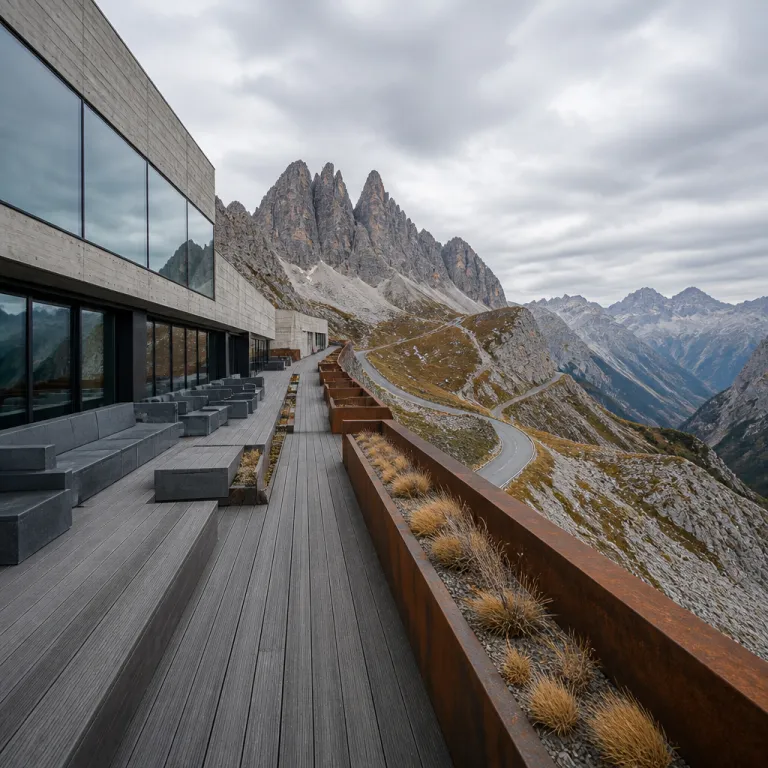
Understanding whether the Dolomites are part of the Alps for luxury travel
Many travelers planning a luxury escape wonder whether the Dolomites belong to the Alps or form a separate mountain system. Geographically, the answer is clear: this dramatic Italian range is officially classified as a subrange of the Eastern Alps, stretching across northeastern Italy. UNESCO, the Italian Alpine Club (CAI), and regional cartographic institutes all describe the Dolomites as an integral sector of the Alps, which means that any premium hotel search in this area is also a search within the Italian Alps, with all the prestige that the Alpine name carries.
The Dolomites extend across an area of roughly 15,942 km², a figure reported in CAI publications and widely echoed in geographic references such as Wikipedia and regional mapping services. This expanse creates a dramatic sequence of pale mountains, deep valley systems, and high pass roads that shape where the finest hotels can be built. The mountains are composed largely of dolomite rock, which gives the so‑called Pale Mountains their luminous color at sunrise and sunset. Because this mountain group is recognized as part of the wider Alpine chain, many high‑end properties present themselves as gateways to both the Dolomites and the broader Alps in one seamless experience.
Geologists describe the Dolomites as a northeastern sector of the Alps in Italy, with a distinctive rock type and skyline that set them apart from granite‑dominated regions. This classification matters when you compare destinations like Mont Blanc or the Swiss and French mountain chains for your stay. Luxury travelers therefore enjoy the cachet of an Alpine address while staying in unmistakably Italian landscapes, with refined hospitality that blends Italian and Austrian influences in every course and every spa ritual.
When you look at a map of the Italian Alps, you will see the Dolomites stretching across South Tyrol, Trentino, and the Belluno area, each region offering its own cluster of premium hotels. The coordinates often cited for the heart of the Dolomites, around 46.4333° N and 11.8500° E, help you understand how close this mountain range lies to other iconic Alpine valleys and passes. For travelers comparing multiple mountain regions in one itinerary, this position within the wider Alpine corridor makes it easy to combine a Dolomites stay with other Italian or cross‑border destinations.
Key Dolomite valleys and passes for premium hotel bookings
Once you know that the Dolomites sit firmly within the Alps, the next step is choosing the right valley or pass for your hotel. Each valley, or val in Italian, shapes the style of luxury you will experience, from discreet spa retreats to design‑forward lodges facing sheer dolomite rock walls. Your planning should start with a clear sense of whether you prefer lively resort towns or quieter mountain areas with direct access to hiking trails.
Val Gardena is one of the most sought‑after bases in the Italian Alps Dolomites, combining five‑star hotels with direct access to the famous Gardena Pass and sweeping views of pale dolomite mountains. Here, cable cars rise from the valley floor to high plateaus, placing you within minutes of panoramic hiking routes and winter ski slopes. Many luxury hotels in Val Gardena, such as Hotel Gardena Grödnerhof or Adler Spa Resort Dolomiti, offer private transfers to these cable cars, heated ski rooms, and Michelin‑level dining that celebrates Italian and Alpine cuisine. As a planning reference, private car transfers from Bolzano airport to Ortisei typically take around 45–60 minutes, depending on traffic and weather.
Further south, the San Martino di Castrozza area, often referred to in travel planning as the San Martino or Martino Castrozza region, offers a more intimate mountain experience. The Pale San Martino group towers above the town, its pale mountains forming one of the most photogenic skylines in the entire mountain range. High‑end properties here often emphasize wellness, with large spa areas oriented toward the dolomite rock walls and quiet lounges that frame the changing light on the peaks. From Trento, a private transfer to San Martino di Castrozza usually takes about two hours, giving you time to watch the landscape shift from rolling foothills to sharp Alpine profiles.
Cortina d’Ampezzo, frequently shortened to Cortina, is another essential stop for travelers comparing Dolomite resorts with other top Alpine destinations. This Italian resort combines historic grand hotels with newer luxury properties, all surrounded by dramatic mountains such as the Cinque Torri and the nearby Tre Cime di Lavaredo, also known as Cime Lavaredo. For a deeper orientation to where these valleys sit within the Alps and which luxury areas suit your stay, consult this detailed guide to where exactly the Dolomites are and which Alpine luxury areas fit different travel styles.
Signature Dolomite landmarks and how they compare within the Alps
Understanding how the Dolomites fit into the Alpine system also means comparing their landmarks with other famous icons such as Mont Blanc. While Mont Blanc dominates the western Alps with its massive glaciated dome, the Dolomites impress through vertical dolomite rock towers and intricate mountain ranges that feel almost sculpted. For luxury travelers, this difference translates into distinct views from hotel terraces and spa pools, and it should influence how you choose your base.
The Tre Cime, or Tre Cime di Lavaredo, stand among the most recognizable peaks in Italy, rising as three sheer pillars of dolomite rock above a high‑altitude valley. Many guests book premium hotels in nearby areas so they can reach the Tre Cime hiking trail early, enjoying a quiet hike before day visitors arrive. The loop trail around these mountains is not technically difficult, yet it delivers a world‑class mountain experience that underlines why the Dolomites are considered a jewel within the broader Alps.
Closer to Cortina, the Cinque Torri form another compact group of pale dolomite towers, easily reached by cable car and surrounded by well‑marked hiking trails. Luxury hotels in Cortina often arrange private guides for guests who want to combine a gentle hike with a gourmet lunch in a mountain hut, turning a simple trail into a curated experience. These activities reinforce the perception that the Dolomites are both part of the Alps and a distinct high‑end playground for refined outdoor life.
Travelers who like to compare regions may pair a stay in the Italian Alps Dolomites with time near Mont Blanc or other western Alpine mountain ranges, using private transfers or helicopter services. Because the Dolomites sit firmly within the Alps, such multi‑region itineraries feel coherent, with each mountain area offering a different expression of Alpine culture and landscape. For a wider geographical context on how the Dolomites relate to the rest of the Alps in Europe, you can refer to this overview of where exactly the Alps are in Europe for luxury stays.
UNESCO heritage status, national parks, and protected landscapes
When travelers ask how the Dolomites relate to the Alps, they often also want to know what makes this mountain range special enough to earn UNESCO recognition. The Dolomites were inscribed as a UNESCO World Heritage Site in 2009, a status that acknowledges both their geological significance and their exceptional natural beauty. This heritage designation has encouraged careful development of luxury hotels that respect the landscape while offering high levels of comfort.
Several national park areas protect key sections of the Dolomites, including zones around Tre Cime, Pale San Martino, and other major mountain groups. These protected areas preserve the unique dolomite rock formations, alpine meadows, and forests that frame many high‑end properties, ensuring that views from your suite remain unspoiled. Because these parks sit within the Italian Alps, they also contribute to the broader Alpine conservation network, linking the Dolomites to other mountain ranges through shared environmental standards.
The term Pale Mountains refers to the light color of the dolomite rock, which glows in shades of pink and gold during sunrise and sunset. Luxury hotels often orient their rooms, pools, and terraces toward these pale mountains, turning each evening into a natural light show. Guests who understand that these Pale Mountains are part of the Alps often appreciate even more how distinct this corner of the Italian Alps feels compared with darker granite regions elsewhere.
UNESCO recognition has also influenced how infrastructure such as cable cars and hiking trails is developed in the Dolomites area. Regional plans and environmental impact assessments aim to ensure that modern cable cars and cable car networks allow guests to move from valley floors to high passes with reduced impact on sensitive habitats, while still offering expansive views across the Alps Dolomites skyline. For travelers planning a stay, this balance between protection and access means you can enjoy both refined hotel services and immediate immersion in protected mountain landscapes.
Designing a luxury itinerary across Dolomite valleys and Alpine icons
Once you accept that this Italian range is unequivocally part of the Alps, you can design an itinerary that treats the Dolomites as one chapter in a wider Alpine story. Many high‑end travelers combine several valleys and passes, using private drivers or helicopter transfers to move efficiently between mountain areas. This approach lets you experience different expressions of Italian hospitality while always remaining within the larger Alps framework.
A classic route might start in Val Gardena, where you stay in a spa‑focused hotel with views of the Sella and Gardena Pass, then continue to Cortina for a more glamorous atmosphere surrounded by peaks like Cinque Torri. From there, you could move south toward San Martino di Castrozza, immersing yourself in the quieter Pale San Martino group and its dramatic pale mountains. Each stop offers a different balance of hiking, cable car access, and fine dining, yet all remain firmly within the Italian Alps Dolomites region.
Some travelers extend their journey beyond the Dolomites to other parts of the broader Alps, perhaps adding a stay near Mont Blanc or in Swiss lake regions. Because the Dolomites are a subrange of the Alps, such combinations feel natural, and your hotel choices can reflect a progression from rugged dolomite rock scenery to softer, glaciated mountain ranges. Throughout, you remain in the same overarching mountain system, which simplifies planning and helps you compare service levels and experiences across different Alpine cultures.
If you wish to contrast the Dolomites with another Italian Alpine icon, consider including Cervinia, where luxury hotels face the Matterhorn and offer refined ski‑in ski‑out comfort. A curated selection of properties with Matterhorn views and polished Alpine service can be explored through this guide to Cervinia hotels with Matterhorn views and refined Alpine comfort. Linking such destinations in one itinerary underlines how the Dolomites, Cervinia, and other Italian Alps areas all belong to the same prestigious Alpine world.
Practical planning tips for luxury hotel bookings in the Dolomites
Knowing that the Dolomites are part of the Alps helps you interpret hotel descriptions and choose the right base for your stay. When you see references to the Italian Alps or the Alps Dolomites in marketing materials, you can be confident that these properties sit within the same mountain range system. This clarity is essential when you compare locations, transfer times, and access to specific hiking trails or cable cars.
For summer stays, prioritize hotels with direct or easy access to cable car stations, since these lifts quickly connect the valley floor to panoramic hiking areas. Many high‑end properties in Val Gardena, Cortina, and San Martino di Castrozza offer shuttle services to nearby cable car bases, allowing you to start a hike or a gentle trail walk without logistical stress. Because these valleys are all part of the Italian Alps Dolomites, you can expect a consistent standard of well‑marked trails and reliable mountain infrastructure.
In winter, the same cable car networks and passes transform into ski domains, and your choice of hotel should reflect how much time you plan to spend on the slopes. Properties located near major passes such as Gardena Pass often provide ski concierge services, heated storage, and direct access to interconnected ski areas that span multiple valleys. Since these ski circuits run across the same mountain range that defines the Dolomites as part of the Alps, you benefit from both extensive terrain and the prestige of an Alpine ski address.
When booking, pay attention to how each hotel frames its views, whether toward iconic peaks like Tre Cime, Cinque Torri, or the Pale San Martino group. Rooms and suites that face these pale mountains often command a premium, yet they also deliver the most memorable sense of place within the Dolomites area. Aligning your room choice with the specific mountain scenery you wish to wake up to is one of the most rewarding aspects of planning a luxury stay in this UNESCO‑listed corner of the Alps. As an editor’s tip, ask the hotel for sunrise or sunset photos taken from the exact room category you are considering; this simple request often reveals which suites truly justify their higher rate.
Seasonality, activities, and matching Dolomite areas to traveler profiles
Because the Dolomites are part of the Alps, they share the classic Alpine rhythm of seasons, yet each valley and pass expresses this rhythm differently. Summer emphasizes hiking, via ferrata routes, and scenic cable car rides, while winter focuses on skiing, snowshoeing, and fireside relaxation in high‑end hotels. Choosing the right area within the Italian Alps Dolomites depends on which of these seasonal experiences you value most.
Active travelers who prioritize hiking may prefer bases near Tre Cime, Cime Lavaredo, or the Cinque Torri, where a dense network of trails starts close to cable car stations. These regions offer everything from gentle valley walks to more demanding high‑altitude hikes, all framed by dramatic dolomite rock formations and sweeping views across the broader Alps. Luxury hotels in these areas often provide guided hikes, packed gourmet picnics, and wellness facilities designed to ease muscles after long days on the trail.
Guests seeking a more relaxed stay might focus on spa‑oriented properties in Val Gardena or San Martino di Castrozza, where the emphasis lies on views, gastronomy, and curated excursions. Here, you can ride cable cars to panoramic terraces, enjoy short walks along well‑maintained trails, then return to multi‑course dinners that highlight Italian and Alpine flavors. Because these valleys sit within the same mountain range that defines the Dolomites as part of the Alps, you never lose the sense of being in a grand Alpine setting, even if your days are unhurried.
Families and multi‑generational groups often appreciate destinations with varied activities, such as Cortina or larger Val Gardena villages, where shopping streets, cultural events, and easy access to national park areas coexist. These locations allow different members of the group to choose between challenging hikes, gentle valley strolls, or simply enjoying the hotel spa and terrace views of the pale mountains. Matching each traveler profile to the right Dolomite valley or pass ensures that your luxury stay in this UNESCO heritage site within the Alps feels both personalized and deeply memorable.
Key figures and geographical facts about the Dolomites within the Alps
- The Dolomites cover an area of about 15,942 km² in northeastern Italy, making them one of the most extensive mountain ranges within the Italian Alps (data referenced from Wikipedia, Italian Alpine Club publications, and regional cartographic sources).
- The highest peak in the Dolomites is Marmolada at 3,343 m, which is lower than Mont Blanc yet still offers significant glaciated terrain for advanced Alpine activities (data referenced from Wikipedia and regional topographic surveys).
- The Dolomites were recognized as a UNESCO World Heritage Site in 2009, a designation that has contributed to increased tourism and more stringent conservation policies across the region (information referenced from UNESCO and Italian government communications).
- Geological studies trace the formation of the dolomite rock that shapes the Pale Mountains back to the Triassic period, highlighting the deep time scale behind today’s dramatic landscapes (information referenced from geological surveys).
- Since the UNESCO designation, tourism in the Dolomites has grown steadily, with a notable rise in eco‑tourism and high‑end sustainable hotel projects across key valleys such as Val Gardena and Cortina (information synthesized from regional tourism reports and destination management plans).
FAQ about the Dolomites, the Alps, and luxury hotel stays
Are the Dolomites part of the Alps or a separate mountain range ?
The Dolomites are a subrange of the Alps, located in northeastern Italy and fully integrated into the broader Alpine mountain system. Geologists and cartographers classify them as part of the Alps, even though their pale dolomite rock and vertical towers give them a distinct visual identity. For travelers, this means that a stay in the Dolomites is also a stay in the Italian Alps.
What is the highest peak in the Dolomites, and how does it compare to Mont Blanc ?
The highest peak in the Dolomites is Marmolada, which rises to 3,343 m and includes significant glaciated sections. Mont Blanc, by contrast, is higher and sits in the western Alps on the border between France and Italy, dominating that part of the mountain range. Luxury travelers often visit both regions to experience the contrast between Marmolada’s dolomite scenery and Mont Blanc’s massive ice‑capped dome.
Why are the Dolomites sometimes called the Pale Mountains ?
The Dolomites are called the Pale Mountains because they are composed largely of light‑colored dolomite rock, which reflects sunlight in soft tones of white, pink, and gold. This pale color is especially striking at sunrise and sunset, when many hotel terraces and spa pools are oriented to capture the changing light. The nickname emphasizes one of the key visual differences between the Dolomites and darker rock regions elsewhere in the Alps.
When is the best time to book a luxury hotel in the Dolomites ?
The Dolomites are best visited in summer for hiking and in winter for skiing, with each season offering distinct advantages for luxury travelers. Summer brings open hiking trails, active cable car networks, and long evenings on hotel terraces, while winter delivers extensive ski areas and cozy spa experiences. Shoulder seasons can be quieter and more intimate, though some cable cars and high‑altitude services may operate on reduced schedules.
How does UNESCO World Heritage status affect hotel development in the Dolomites ?
UNESCO World Heritage status encourages careful, sustainable development of hotels and infrastructure in the Dolomites, ensuring that new projects respect the landscape and cultural heritage. Many luxury properties emphasize eco‑friendly design, low‑impact construction, and partnerships with local producers to align with conservation goals. For guests, this often translates into high‑quality stays that feel both indulgent and environmentally responsible.