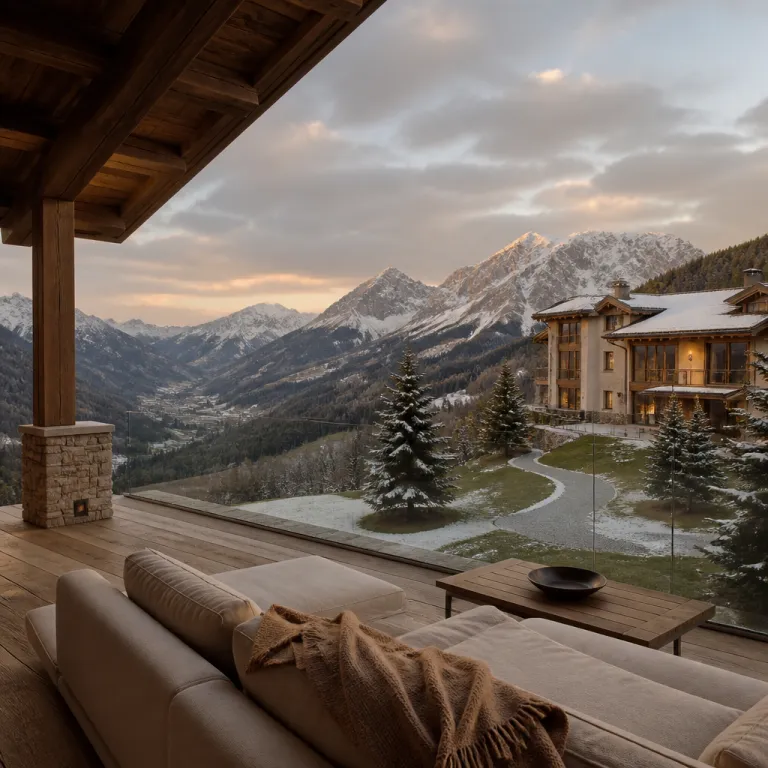
Understanding where the Alps sit in Europe for your luxury stay
The Alps form the largest mountain range in Europe and stretch in a sweeping arc of about 1 200 km across the heart of the continent. When travellers ask where the Alps are in Europe, the precise answer is that this alpine chain runs from the Mediterranean coast of France across Switzerland and Italy, then into Liechtenstein, Austria, Germany and Slovenia. Monaco lies on the Alpine fringe, at the foot of the Maritime Alps rather than within the high mountain core, but it still shares the wider Alpine cultural sphere. This mountain system lies roughly between 43°–48° north latitude and 5°–15° east longitude, creating a dramatic natural barrier that shapes climate, culture and every premium hotel experience in the region.
For a luxury mountain trip, it helps to picture the Alps as a series of distinct regions rather than a single block of peaks. Western Europe hosts the iconic Mont Blanc massif on the France–Italy border, while central sections include the Swiss Alps and the Pennine Alps with legendary summits such as the Matterhorn and Monte Rosa. Further east, Switzerland, Austria and northern Italy share softer alpine landscapes where snow-capped summits frame green valleys, elegant lakes and some of the best places for discreet five-star retreats.
Geologists explain that this mountain range began forming tens of millions of years ago when the African and Eurasian tectonic plates collided. That collision pushed up layers of rock to create the highest peaks in the Alps, including Mont Blanc at 4 808 m, which remains the highest summit in Western Europe. This deep geological history matters for travellers because it created steep valleys, hanging glaciers and wide passes where luxury hotels now occupy prime viewpoints above lake shores and historic villages. Organisations such as the Alpine Convention and national geological surveys describe the Alps as a living landscape, still shaped by slow uplift and erosion.
Key alpine subregions for premium travellers
When you plan where to stay in the Alps in Europe for a specific trip, think in terms of subranges and cross-border corridors. The Pennine Alps run along the Italy–Switzerland frontier and include both Monte Rosa and the Matterhorn, which are surrounded by high-end chalets, spa hotels and ski-in ski-out lodges. To the west, the Mont Blanc area links France, Italy and Switzerland with efficient tunnels and passes, allowing travellers to combine several countries in just a few days.
The northern arc of the Swiss Alps stretches from Lake Geneva to the eastern border with Austria and Germany, offering a refined mix of lakeside cities and mountain resorts. Here, destinations such as Gstaad, St Moritz and Zermatt attract a global travel group seeking privacy, Michelin-starred dining and direct access to snow-capped slopes in both summer and winter seasons. On the northern fringe, regions shared by Germany, Switzerland and Austria provide gentler peaks and forested hills that suit wellness-focused hotels and slow travel tours.
Southern slopes in Italy and France feel different again, with more Mediterranean light and vineyards climbing towards the mountain foothills. In these areas, a grand tour of the Alps might combine a lakeside palace hotel on Lake Como with a high-altitude spa above Chamonix or Courmayeur. This variety within one mountain system is why luxury travellers often design multi-stop tours rather than a single base, using private transfers or curated small group itineraries to move smoothly between regions.
Top alpine destinations for luxury hotels and refined views
Once you understand where the Alps are in Europe, the next step is choosing specific destinations that match your style of stay. Around Lake Geneva, the Swiss Alps meet elegant waterfront promenades in cities such as Montreux and Lausanne, where palace hotels offer panoramic view terraces and easy access to nearby ski domains. These lakeside bases work well for travellers who want a mix of culture, gastronomy and day tours into the surrounding mountain resorts.
Further east, the high valleys above Zermatt and Saas-Fee sit beneath some of the highest peaks in the Alps, including Monte Rosa and the Matterhorn. Here, luxury hotels focus on floor-to-ceiling windows, private spa suites and direct lift access, so guests can move from heated pools to snow-capped slopes within minutes. Many travellers pair these destinations with a stay on Lake Como, using curated itineraries such as the lakefront elegance at Vista Lago di Como for alpine travellers to balance mountain air with Italian lakeside glamour.
On the western side of the range, the Mont Blanc region offers some of the best places for both summer and winter luxury breaks. Chamonix in France and Courmayeur in Italy share access to the Mont Blanc massif, allowing guests to cross borders easily during a single trip. High-end hotels here often arrange private guides for glacier walks, helicopter tours over the peaks and exclusive dining in mountain refuges that have been welcoming travellers for generations.
Choosing between lakes, peaks and valleys
Luxury travellers often ask where in the Alps they should base themselves for the finest views and most convenient access to activities. Lakeside destinations such as Lake Geneva and Lake Como provide softer alpine scenery, with vineyards, Belle Époque architecture and easy day tours into higher valleys. High-altitude resorts beneath the highest peaks in the Alps, by contrast, prioritise direct ski access, glacier excursions and dramatic snow-capped panoramas.
Valley towns like Innsbruck or Interlaken sit between these two extremes and work well for a flexible Europe tour. From these hubs, guests can reach several ski areas in a few days, while still enjoying urban comforts, museums and fine dining. When planning a grand tour of the Alps, many travellers combine at least one lake, one high mountain resort and one cultural city to experience the full range of alpine atmospheres.
For travellers comparing the Alps with other regions such as Scotland and Ireland or Ireland alone, the key difference lies in altitude and infrastructure. The Alps offer higher peaks, more extensive lift systems and a denser network of luxury hotels directly on the slopes. That combination makes the region uniquely suited to premium stays where every element of the trip, from transfers to spa treatments, is designed around the mountain landscape.
Designing a luxury Europe tour through the Alps
Planning where the Alps sit in Europe within a broader Europe tour allows you to link several countries in one coherent itinerary. A classic route might start in Paris, cross into the France–Italy Mont Blanc region, then continue towards the Swiss Alps and finally end in Austria or Germany. This style of grand tour suits travellers who value varied culture, cuisine and hotel styles while keeping the alpine mountain scenery as a constant backdrop.
For honeymooners or couples seeking privacy, curated itineraries such as a refined honeymoon in the Swiss Alps from lakeside cities to high-altitude hideaways show how to combine Lake Geneva, car-free villages and remote spa lodges. These trips often include private transfers, reserved panoramic train seats and suites with direct views of iconic peaks in the Alps. Over several days, guests move from lakeside promenades to snow-capped passes, experiencing both the softness of the valleys and the raw drama of the high mountains.
Small group journeys work well for travellers who want structure without losing a sense of exclusivity. A carefully designed small group Europe tour through Germany, Switzerland and Austria might include five-star hotels, private guides and flexible free days for spa time or shopping. In such itineraries, the focus is on seamless logistics, so guests can concentrate on the alpine scenery, regional cuisine and the subtle differences between each country’s approach to hospitality.
Sample multi country alpine routes
One popular route for luxury travellers begins on Lake Geneva, continues to Zermatt in the Pennine Alps, then crosses into the Italy–Switzerland borderlands around Lake Como. This circuit offers a balance of lakes, glaciers and vineyards, with each stop featuring high-end hotels and refined dining. Another option links Munich, Innsbruck and the Arlberg region, then continues into the Switzerland–Austria border areas where traditional villages host some of the most discreet ski hotels in Europe.
Travellers interested in history often design routes that follow ancient passes used many years ago by traders and armies. These itineraries might cross the Simplon, Great St Bernard or Brenner passes, where modern tunnels and highways now sit beneath or beside historic paths. Along the way, guests can stay in renovated coaching inns, palace hotels and contemporary design properties that reinterpret alpine traditions for a luxury audience.
For those comparing the Alps with destinations such as Scotland and Ireland, the key advantage of an alpine Europe tour is the ability to visit several countries in a short time. Distances between major hubs are relatively small, and high-speed trains or private drivers make border crossings effortless. This density of cultures, languages and landscapes within a compact area is one of the main reasons luxury travellers return to the Alps repeatedly over the years.
Seasonal choices: summer, winter and shoulder seasons in the Alps
Understanding where the Alps are in Europe also means understanding how seasons shape each region’s character. In winter, the highest peaks in the Alps and snow-capped valleys become a playground for skiers, snowboarders and guests who simply want to enjoy fireside lounges with mountain views. Luxury hotels in resorts such as Courchevel, St Moritz and Lech focus on ski-in ski-out access, private instructors and spa facilities designed for post-slope relaxation.
During the transition between summer and winter, the same alpine landscapes reveal a different personality, with wildflower meadows, open hiking trails and warm lakes. Destinations around Lake Geneva, Lake Como and other major lake shores become ideal bases for guests who prefer sailing, vineyard visits and gentle mountain tours by cable car. Many high-end properties now design dual-season offerings, with winter-focused ski packages and summer wellness or gastronomy retreats that highlight local produce and outdoor dining.
Shoulder seasons in spring and autumn can be particularly attractive for travellers seeking quieter stays and softer light. Snow remains on the highest peaks in the Alps while valleys turn green or golden, creating striking contrasts for photography and scenic drives. These periods often bring favourable rates at luxury hotels, making them excellent times for a longer trip that combines several regions without the crowds of peak holiday weeks.
Matching activities to your preferred climate
When deciding where in the Alps to stay, consider how altitude affects both temperature and available activities. Lower valleys and lakes such as Lake Geneva tend to have milder climates, which suit guests who enjoy walking, cycling and vineyard tours. High-altitude resorts beneath Mont Blanc or Monte Rosa remain cooler in summer and guarantee reliable snow in winter, making them ideal for guests who prioritise skiing or glacier excursions.
Families and mixed-ability groups often benefit from resorts that offer both winter sports and non-ski activities. Towns like Zermatt, Chamonix and St Moritz provide shopping streets, museums and gourmet restaurants alongside extensive ski areas, so every member of the group finds something appealing. In summer, these same resorts transform into hubs for hiking, trail running and high mountain tours, with luxury hotels organising guided outings tailored to different fitness levels.
Travellers comparing the Alps with regions such as Ireland or Scotland and Ireland should note that alpine weather can change quickly at altitude. It is wise to plan flexible days, with indoor spa time or cultural visits as alternatives to high mountain excursions. Luxury hotels in the region are accustomed to these shifts and often provide detailed daily briefings, ensuring guests can adapt their plans while still making the most of every day of their trip.
Choosing the right luxury hotel style in key alpine hubs
Once you know where the Alps are in Europe and which region suits your itinerary, the next decision is hotel style. In major hubs such as Zermatt, St Moritz, Courchevel and Kitzbühel, you will find grand palace hotels, intimate chalets and contemporary design properties. Each option offers a different balance of privacy, services and proximity to lifts, lakes or historic centres.
High-altitude ski domains like Val Thorens in the France–Italy borderlands attract travellers who want direct access to some of the highest ski slopes in Europe. Properties such as those featured in refined alpine stays in the highest ski domain show how modern luxury hotels integrate ski services, wellness areas and panoramic restaurants under one roof. These hotels suit guests who prefer to minimise transfers during their stay, moving effortlessly from suite to spa to slope within a single building.
Lakeside cities such as Geneva, Lausanne and Lucerne offer a different style of luxury, with historic grand hotels overlooking Lake Geneva or Lake Lucerne. From these bases, guests can take day tours into the surrounding Swiss Alps while returning each evening to waterfront promenades and urban dining scenes. This combination appeals to travellers who want alpine views without committing to a full mountain resort stay, or who are combining business travel with a short leisure extension.
Evaluating services and locations
When comparing luxury hotels in the Alps, pay close attention to location relative to lifts, lakes and transport hubs. A property directly on the slopes or lake shore may command higher rates, but it can save valuable time each day of your trip. For guests planning multi-stop tours, hotels near major train stations or highway exits can simplify transfers between regions and countries.
Service level is another key factor, especially for travellers used to long-haul luxury destinations. Look for hotels that offer dedicated concierges, multilingual staff and strong relationships with local guides, ski schools and transfer companies. These partnerships ensure that every element of your stay, from private ski lessons to last-minute restaurant reservations, is handled smoothly and discreetly.
Finally, consider how each property reflects its specific alpine setting, whether in the Pennine Alps, the Mont Blanc region or the gentler foothills near the Germany–Switzerland borders. Thoughtful design might include large windows framing the peaks, spa treatments using local botanicals or menus that highlight regional cheeses and wines. These details transform a comfortable hotel stay into a deeply rooted alpine experience that feels unique to its place in Europe.
Essential travel tips for a seamless luxury alpine trip
Knowing where the Alps are in Europe is only the starting point for a successful high-end journey. The region’s altitude, climate and cross-border nature require a little more planning than a typical city break. With the right travel tips, however, your days in the mountains can feel effortless, from airport arrival to the final lakeside aperitif.
First, consider altitude and weather when packing and choosing activities. Even in summer, temperatures can drop quickly near the highest peaks in the Alps, especially around Mont Blanc or Monte Rosa, so layered clothing and quality outerwear are essential. In winter, snow-capped passes and occasional storms can affect transfers, making it wise to allow buffer time between connections and to rely on experienced drivers or rail services.
Second, think about how you will move between countries such as France and Italy, Italy and Switzerland or Germany and Switzerland during your Europe tour. High-speed trains, panoramic rail routes and private car services all work well in the Alps, and many luxury hotels can arrange door-to-door transfers. When travelling as a group or small group, coordinated logistics become even more important, so choose properties with strong concierge teams who can manage complex itineraries.
Health, safety and sustainability considerations
Altitude can affect sleep, hydration and energy levels, especially for guests arriving directly from sea level. Plan gentler activities on your first days in high resorts, focusing on spa time, short walks and relaxed lake or valley tours. If you have any medical conditions, consult your doctor before the trip and inform your hotel, which can often provide oxygen, humidifiers or other helpful amenities.
Respect for local regulations and environments is central to responsible luxury travel in the Alps. Many regions have strict rules on protected areas, noise and vehicle access, particularly in car-free villages such as Zermatt or Wengen. By following these guidelines and choosing hotels that prioritise energy efficiency and local sourcing, you help preserve the very landscapes that make the Alps one of Europe’s best places for high-end travel.
Climate change is already affecting glaciers, snowfall patterns and biodiversity in the alpine zone. Geologists and environmental agencies emphasise that “The Alps are Europe's largest mountain range”, a reminder of both the scale and fragility of this mountain system. As a traveller, you can support conservation by using rail where possible, staying longer in each destination rather than hopping quickly and selecting hotels that invest in sustainable operations and community projects. Reputable sources such as the Alpine Convention and National Geographic underline how visitor choices directly influence the future of these high mountain environments.
Key figures about the Alps for informed travellers
- The Alps extend for roughly 1 200 km across central Europe, forming a natural barrier between Mediterranean and continental climates according to geography-focused organisations.
- The average width of the alpine chain is about 300 km, meaning that in some regions you can travel from foothills to high peaks within a single day’s drive.
- Mont Blanc, on the France–Italy border, rises to 4 808 m, making it the highest peak in the Alps and a major reference point for high-altitude resorts and guided tours.
- The mountain range spans eight countries, namely France, Switzerland, Italy, Austria, Germany, Liechtenstein, Slovenia and Monaco, which explains why many luxury itineraries are designed as multi country Europe tours.
- Ongoing geological activity continues to shape the alpine landscape, with slow uplift and erosion processes that began tens of millions of years ago when the African and Eurasian plates collided.
FAQ about the Alps and luxury travel
Where exactly are the Alps located in Europe ?
The Alps stretch in an arc across central Europe, from the Mediterranean coast of southeastern France through areas bordering Monaco, across Switzerland and Italy, then into Liechtenstein, Austria, southern Germany and Slovenia. They sit roughly between 43°–48° north latitude and 5°–15° east longitude. This position makes them easily accessible from major cities such as Geneva, Milan, Munich and Vienna.
Which countries share the Alps and their main luxury hubs ?
Eight countries share the Alps, namely France, Switzerland, Italy, Austria, Germany, Liechtenstein, Slovenia and Monaco. Key luxury hubs include Chamonix and Courchevel in France, Zermatt, Gstaad and St Moritz in Switzerland, Cortina d’Ampezzo in Italy and Lech or Kitzbühel in Austria. Each country offers its own blend of alpine culture, cuisine and hotel styles.
What is the highest peak in the Alps and why does it matter for travellers ?
Mont Blanc, on the France–Italy border near Chamonix and Courmayeur, is the highest peak in the Alps at 4 808 m. Its height creates extensive glaciated terrain and dramatic views that attract climbers, hikers and scenic flight operators. For luxury travellers, the surrounding region hosts some of the most prestigious hotels and guided experiences in the entire mountain range.
How long should a luxury trip to the Alps last ?
For a single region, such as the Mont Blanc area or the Pennine Alps around Zermatt, a stay of five to seven days allows time for both activities and relaxation. Multi country itineraries that combine France and Italy, Italy and Switzerland or Germany and Switzerland usually benefit from 10 to 14 days. This duration lets you adjust to altitude, enjoy spa facilities and explore several valleys without rushing.
What should I check before booking a luxury hotel in the Alps ?
Before booking, verify the hotel’s exact location relative to ski lifts, lake shores or town centres, as this strongly affects daily convenience. Review the range of services, including concierge support, spa facilities, dining options and transfer arrangements, especially if you plan a complex Europe tour. Finally, consider seasonal factors, such as whether you prefer peak winter skiing, quieter shoulder seasons or warm summer days by the lakes.