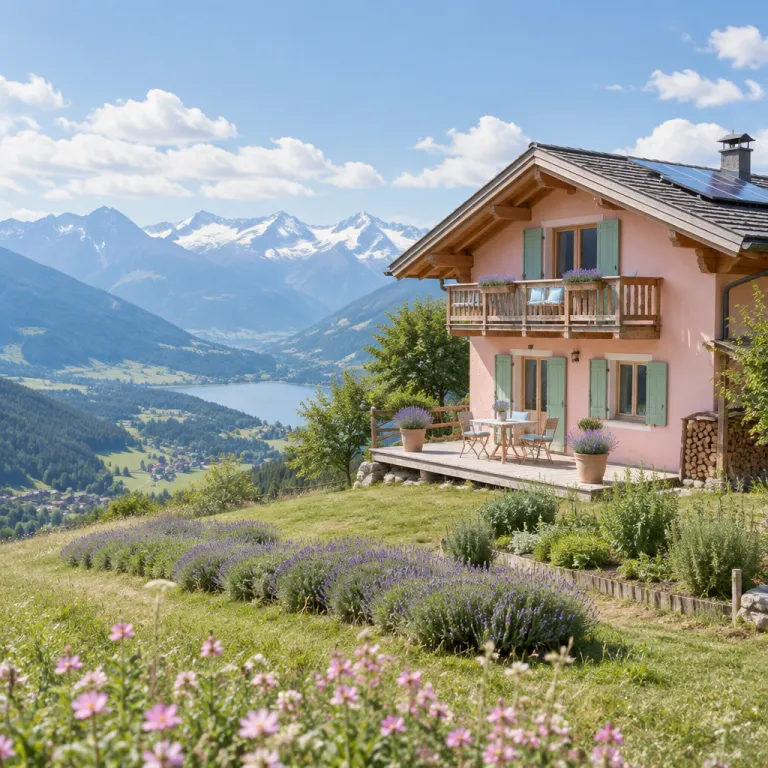
World Tourism Day in the Alps: why fewer, better stays matter
World Tourism Day lands in the alps just as the last summer hikers share cable cars with the first ski technicians. This is the moment when responsible alpine tourism stops being a slogan and becomes a choice about how you, as a solo explorer, will travel, spend, and move through fragile alpine areas. In valleys from Chamonix to the Dolomites, the question is no longer whether tourism is good or bad, but whether tourists are willing to trade volume holidays for fewer, deeper, more responsible stays.
Mass tourism has pushed some tourism destinations in the alpine space close to breaking point, with traffic jams in narrow gorges and queues for ski lifts that once felt almost private. Climate change is shrinking glaciers, destabilising slopes, and shortening winter tourism seasons, which means every extra car and every extra flight has a visible impact on the mountain climate and on local nature. Responsible tourism in the Alps now means asking how your hotel booking, your chosen transport, and your appetite for adventure tourism affect the quality of life for the people who live here all year.
Luxury and premium hotels can either amplify the pressure or become quiet pearls of sustainability, setting best practices for responsible travel that go far beyond a token eco label. The most interesting properties in destinations alps wide are investing in sustainable mobility, low energy design, and long term partnerships with local businesses rather than chasing short term mass tourism spikes. On World Tourism Day, our argument is simple ; choose one car free valley over three rushed stops, one eco friendly stay that respects nature over a checklist of alpine destinations.
From overtourism to responsibility: how luxury hotels shape the alpine space
In the most photogenic alpine destinations, the same peaks that attract responsible alpine tourism also attract crowds, noise, and speculative development. When luxury hotels treat the Alps as a backdrop rather than a living alpine space, they fuel unsustainable tourism patterns that strain water supplies, public transport networks, and local crisis management systems. The alternative is a new generation of properties that treat sustainability as core strategy, not as a marketing flourish.
Across the alps, you now find five star lodges that run on renewable energy, design menus around local producers, and publish a clear sustainability report that guests can read before they book. These hotels see responsible tourism as a long game ; they train staff in climate literacy, invest in low impact spa technologies, and support eco friendly trail maintenance that protects nature for both summer winter seasons. If you want to understand what sustainable actually means at 2 000 meters, look for hotels that match the standards described in this guide to eco conscious hotels in the Alps, then ask how they handle waste, energy, and water in both winter tourism and quieter months.
Some of the most compelling examples sit within the Alpine Pearls network, where each alpine pearls destination commits to sustainable mobility and car free village centres. Here, responsible travel is built into the experience ; you arrive by train, move by public transport or on foot, and feel the difference in air quality and sound. These pearls of responsible tourism show that high end comfort, sustainable tourism, and a slower rhythm of holidays can coexist without sacrificing elegance or service.
Shoulder seasons, sustainable mobility and the art of travelling slowly
For years, hoteliers talked about shoulder seasons as a revenue problem, a gap between ski weeks and peak summer holidays. World Tourism Day reframes that gap as an opportunity for responsible alpine tourism, where travellers help rebalance pressure on fragile alpine areas by choosing late autumn hikes or early spring stays. When you shift your travel dates, you support local businesses across a longer durée and give staff a more stable quality of life.
Slow, responsible travel in the Alps starts with how you arrive and move once you are here, because transport is often the largest part of your climate footprint. Choosing trains and coordinated public transport over rental cars is not only more sustainable, it also aligns you with the rhythm of local life in destinations alps wide, from Innsbruck to Aosta. Many alpine pearls destinations now bundle rail tickets, luggage transfers, and local buses into one pass, making sustainable mobility the easiest option rather than a sacrifice.
Luxury hotels that take sustainability seriously will help you plan a car free itinerary, suggest eco friendly transfers, and time your adventure tourism days to avoid peak crowds on popular ski slopes or via ferrata routes. When you read about mountain hotels betting on summer, you are really reading about a shift from winter only tourism to a more balanced summer winter model that supports responsible tourism. Fewer, longer stays in one or two carefully chosen tourism destinations reduce your overall transport impact while giving you space to connect with nature, understand local culture, and notice the subtle changes that climate change is already etching into the landscape.
Choosing hotels that invest in place, not just in polish
For a solo explorer, the most powerful decision in responsible alpine tourism is not whether to travel, but where to sleep and how long to stay. A luxury hotel in the alps is never neutral ; its energy systems, staffing model, and purchasing choices either reinforce mass tourism or nurture a more responsible form of tourism. The properties we highlight on stay in alps are selected because they treat sustainability, community, and landscape as non negotiable pillars, not as optional extras.
Look for hotels that publish a clear sustainability report, pay fair wages, and work closely with local businesses for food, guiding, and cultural experiences. These places often lead on best practices such as low carbon heating, eco friendly cleaning products, and crisis management plans that consider both guests and residents during extreme weather linked to climate change. When you read our analysis of sustainable luxury booking experiences, you will see how responsible travel choices can still feel indulgent, with fine dining, attentive service, and thoughtful design that frames nature rather than dominating it.
Responsible alpine tourism also means resisting the urge to collect destinations like pearls on a bracelet, racing from les Trois Vallées to St Moritz in a single week. Instead, choose one or two tourism destinations, stay longer, use public transport, and let the alpine climate, the changing light, and the conversations with locals shape your holidays. Fewer, better, honestly reviewed stays are not only kinder to the environment and to host communities, they also create the kind of travel memories that no mass tourism itinerary can match.
FAQ
How can I make my luxury ski trip more responsible ?
Start by choosing an alpine hotel that publishes clear sustainability commitments and invests in energy efficient infrastructure. Travel by train where possible, use public transport in resort, and plan a car free stay that reduces your transport emissions. Finally, avoid peak dates, support local businesses, and treat ski days as part of a wider responsible travel experience that respects nature and local culture.
Is travelling in the Alps outside the ski season really more sustainable ?
Visiting in shoulder seasons spreads tourism more evenly across the year, which reduces pressure on infrastructure and staff during peak winter tourism weeks. Hotels can operate more efficiently, local businesses gain steadier income, and public transport systems are used more consistently. For you, it means quieter trails, more time with local hosts, and a lower overall impact on the alpine climate and ecosystems.
What should I look for in a hotel sustainability report ?
A serious sustainability report will detail energy sources, water use, waste management, and staff policies, not just mention eco friendly intentions. Look for measurable targets, timelines, and independent certifications that cover both environmental and social criteria. The best hotels in the alps also explain how they support local businesses and how they prepare for climate change through thoughtful crisis management planning.
Can responsible alpine tourism still feel luxurious ?
Responsible tourism in the alpine space is entirely compatible with high end comfort when hotels invest in quality rather than excess. You can expect refined rooms, attentive service, and excellent food, but with a focus on local ingredients, low impact design, and sustainable mobility options. Many guests find that this kind of responsible travel deepens their sense of luxury, because it aligns pleasure with purpose and respects the nature that makes the Alps unique.
Why does staying longer in one destination reduce my impact ?
Most of the emissions from alpine travel come from long distance transport, especially flights and repeated transfers between destinations. By choosing one or two destinations alps wide and staying longer, you cut down on extra journeys while giving yourself time to use public transport and explore at a slower pace. This approach supports local communities, reduces the footprint of your holidays, and fits the spirit of World Tourism Day by prioritising depth over quantity.