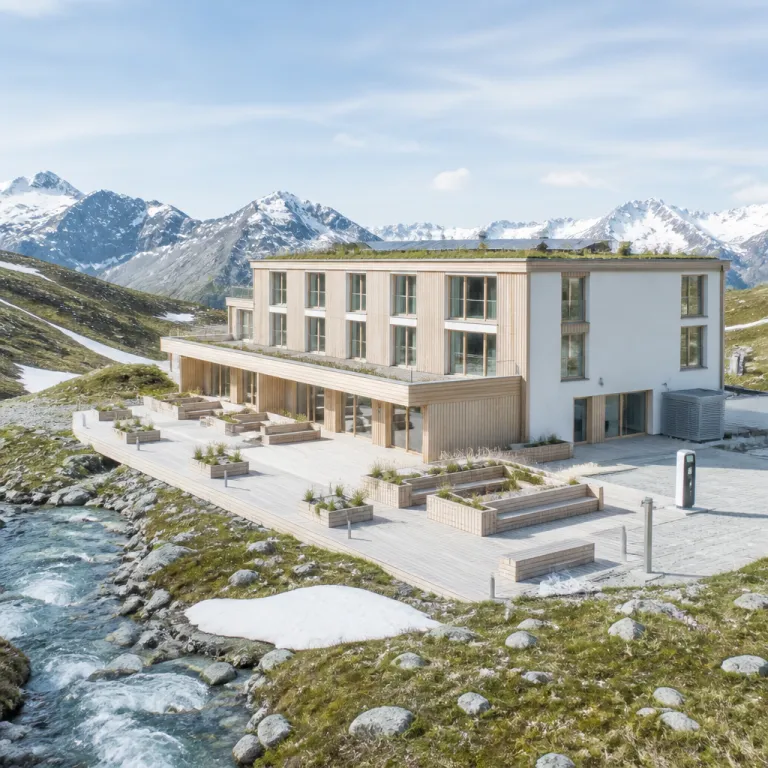
How eco hotels in the Alps turn altitude into an advantage
High in the Swiss Alps, sustainability is not a lifestyle accessory but a structural necessity. The best eco hotels in the Alps show that low impact luxury can coexist with serious comfort when every kilowatt and every delivery is scrutinized. For travelers comparing luxury hotels across valleys, altitude quietly shapes what sustainable alpine hotels and genuinely green mountain resorts look like in practice.
Hydroelectric power is the region’s quiet workhorse, giving many Swiss and Italian mountain resort properties access to low carbon electricity and supporting genuinely eco friendly operations. Pellet heating systems, documented in several Austrian eco certified properties, can cut CO₂ emissions by roughly a quarter compared with conventional fuels, which is a meaningful reduction at scale for any luxury hotel with extensive rooms suites and a large spa. Geothermal probes at some alpine retreats now cover up to 95 percent of energy needs, according to recent sustainability reports from nature focused resorts in South Tyrol, showing how renewable energy can underpin green luxury without sacrificing hot water pressure or a perfectly heated room.
Altitude also shortens supply chains, which matters more than most marketing admits. Many eco hotels in the Alps rely on nearby farms and local communities for cheese, meat, vegetables and wine, turning the restaurant into a low impact link between pasture and plate. When you explore menus that name specific valleys and producers, you are seeing sustainability, not just storytelling, and you are also tasting how serious environmental commitments translate into fine dining with a sense of place.
What to look for when a hotel calls itself eco
Labels around sustainability travel fast, but infrastructure tells the real story. When a property in the Swiss Alps claims to be an eco friendly luxury hotel, you should be able to trace how energy, water, food and waste are handled from arrival to checkout. The most credible alpine eco lodges publish clear data, show their systems and invite questions rather than hiding behind vague green luxury language.
Start with energy, because renewable energy is the backbone of any serious sustainable luxury strategy at altitude. Ask whether the hotel uses hydroelectric power, pellet heating, photovoltaic panels or geothermal probes, and whether these systems cover most of the spa, pool and wellness facilities or only a token share. A property that runs its core experience, rooms suites and panoramic views lighting on clean power is doing more than one that simply offsets emissions while keeping fossil fuel boilers in the basement.
Food sourcing is the next filter for eco conscious alpine stays. A restaurant that buys from within a short radius, works with local communities and adjusts menus to mountain seasons will have a lower footprint than one trucking in out of season produce from distant hubs. When you check availability, look for mentions of farm partnerships, foraging walks or a guest card that includes visits to nearby producers, because these details show how the hotel’s sustainability narrative extends beyond the lobby and into the valley.
Altitude constraints that quietly push hotels toward sustainability
Building at 2,000 meters is not a neutral act, and the best eco hotels in the Alps acknowledge that from the first sketch. Harsh winters, fragile slopes and strict building codes across the Swiss Alps, Tyrol and the Dolomites limit what developers can do and often nudge them toward more sustainable choices. For travelers comparing luxury Swiss properties, this means that some of the most convincing eco friendly features are baked into the structure rather than added as decoration.
Construction rules in protected alpine zones typically restrict footprint, height and materials, which naturally favors compact mountain resort designs and durable timber or stone. When a hotel uses locally sourced wood, high performance insulation and triple glazing, it reduces heat loss and energy demand for every room and suite, especially in wings with the most dramatic panoramic views. These constraints also encourage architects to orient buildings for passive solar gain, so that common areas and the spa benefit from natural light and warmth instead of relying solely on mechanical systems.
Weather extremes at altitude further reinforce sustainable practices. Heavy snowfall and strong winds make over engineered roofs and efficient drainage non negotiable, which in turn protect nearby streams and the lake ecosystems below from erosion and pollution. Waste management must be meticulous because removal is costly and logistically complex, so serious luxury hotels invest in sorting, composting and reduced packaging rather than shipping out avoidable rubbish.
When sustainability is built into the stay, not bolted on
Some of the most persuasive examples of sustainable luxury in the Swiss Alps come from properties that designed their operations around constraints instead of fighting them. Energy self sufficient buildings, often audited under national ecolabels or IBEX Fairstay, show how renewable energy and low impact construction can define the entire guest journey. For you as a traveler, this means that friendly luxury touches, from warm stone floors to quiet lifts, are powered by systems that respect the mountain rather than strain it.
Altitude also shapes mobility, which is a crucial part of low impact alpine travel. Many resorts now encourage guests to arrive by train, then offer a guest card that unlocks local buses, cable cars and even e bike rentals, turning the whole valley into a car free center experience. When you check availability, pay attention to whether the hotel promotes these options prominently or hides them behind parking information, because that reveals how seriously it treats transport emissions.
For a deeper look at how these structural choices translate into real stays, our guide to sustainable luxury and premium hotel booking experiences in the Alps breaks down specific properties and booking strategies. It shows how to balance your desire for a luxury spa, a perfect lake view and refined fine dining with the need to keep your footprint as low as the snow line in late spring. Used well, this knowledge turns you from a passive guest into an active participant in alpine sustainability.
The transport paradox: getting to eco hotels in the Alps
There is an uncomfortable truth at the heart of environmentally responsible travel in the Alps. The carbon savings achieved by a green luxury property can be overshadowed by a single long haul flight or a private transfer up the valley. Understanding this transport paradox helps you make smarter choices that align your journey with the sustainability claims of your chosen luxury hotel.
For travelers from the United States, the flight to Europe will almost always be the largest single emissions source in the trip. Once you land, though, the Swiss and Austrian rail networks offer a powerful way to rebalance the equation by taking you deep into the Swiss Alps with minimal additional impact. Train accessible mountain resort destinations, where the station sits within walking distance or a short shuttle ride of several eco friendly hotels, offer the strongest sustainability argument because they align infrastructure with intent.
When you check availability for luxury hotels, pay attention to how they frame arrival options. Properties that highlight rail timetables, provide a guest card for onward public transport and offer luggage transfers from the station are actively reducing the need for private cars and taxis. Those that only mention helicopter transfers or premium parking are signaling a different set of priorities, even if they talk at length about renewable energy and sustainability in their marketing.
Balancing carbon costs with on site savings
Once you reach the valley, the best eco hotels in the Alps work hard to make every subsequent kilometer count less. Compact village layouts, efficient buses and cable cars, and walkable access to the spa, restaurant and trailheads all reduce the need for additional driving. A hotel that integrates these options into its core experience, perhaps via a guest card that includes lifts and local buses, is extending its sustainability strategy beyond the property line.
On site, the carbon savings from renewable energy systems, efficient heating and careful sourcing begin to accumulate. When a property covers most of its energy needs with geothermal probes or hydroelectric power, the emissions per night in each room can drop significantly compared with a conventional resort. Over a week long stay, especially in winter when heating loads are high, this difference becomes meaningful enough to partially offset the impact of your journey.
For travelers who want to go deeper into environmentally conscious choices, our analysis of eco friendly trends for discerning travelers outlines how to weigh transport, energy and service levels together. It helps you decide when a train accessible luxury Swiss property with slightly fewer amenities might be a better environmental choice than a more remote spa resort with a spectacular view but limited public transport. This is where personal values and practical realities meet on the timetable board.
Inside genuinely sustainable luxury: energy, food and wellness
Once you have arrived, the question becomes simple. Does the hotel’s daily rhythm reflect the sustainable principles it advertises, or does environmental responsibility vanish after check in? The answer lies in how energy, food and wellness are woven into the stay rather than treated as separate talking points.
Energy is the invisible backbone of every luxury hotel, from underfloor heating in rooms suites to the steam in the spa. Properties that rely on renewable energy sources such as hydroelectric power, pellet heating or geothermal probes can maintain generous wellness facilities with a lower environmental cost. When you see solar panels on the roof, efficient glazing around the pool and clear explanations of these systems in the lobby, you are looking at green luxury that runs deeper than a towel reuse card.
Food is where eco friendly intentions become tangible. A restaurant that builds its menus around local communities, short supply chains and seasonal alpine produce will naturally have a lower footprint than one flying in exotic ingredients year round. When you explore the wine list and see regional appellations alongside thoughtful vegetarian options, you are experiencing sustainable thinking translated into fine dining that still feels indulgent.
Wellness that respects the mountain
Wellness in the Swiss Alps has always been about more than saunas and massages. The most convincing eco hotels in the Alps treat the landscape itself as the primary spa, using trails, lakes and forests as extensions of their wellness offering. Guided hikes, forest bathing sessions and cold water dips in a nearby lake can all be part of a core experience that keeps impact low while deepening your connection to place.
Inside, the spa becomes a test of how far sustainable luxury can go without compromising comfort. Efficient filtration systems, heat recovery from pools and saunas, and natural materials in treatment rooms all reduce resource use while maintaining a sense of friendly luxury. When you check availability, look for descriptions of these systems alongside the usual list of massages and facials, because transparency here is a strong indicator of serious sustainability.
For a curated overview of which properties actually deliver on these promises, our seasonal report on the Alps’ most awaited sustainable openings highlights hotels where eco credentials and guest experience align. It focuses on places where panoramic views, thoughtful wellness and low impact operations coexist, rather than on resorts that treat sustainability as a marketing afterthought. Used as a filter, it can save you from glossy brochures that say “eco” but operate very differently behind the scenes.
How to read certifications and real world practices
Certifications can be a useful shortcut when you are scanning a wide range of hotels, but they are not the whole story. In the Alps, labels such as national ecolabels, IBEX Fairstay or partnerships with nature parks signal that a property has met specific sustainability criteria. For environmentally minded travelers, these marks are a starting point for questions, not the end of the conversation.
One alpine hotel partnered with a regional nature park uses pellet heating to significantly reduce CO₂ emissions per kilowatt hour compared with oil based systems, as documented in its audited environmental statements. Another, built with carefully selected Swiss moon wood and certified under a national ecolabel, holds a high level rating that reflects both construction choices and ongoing operations. A third positions itself as a climate focused property, aligning its energy systems and waste management with some of the strictest environmental standards in the region and publishing annual progress reports.
These examples show how renewable energy, sustainable materials and waste reduction programs can move a hotel from marketing claims to measurable impact. They also illustrate why eco conscious guests should look beyond a single logo on a website. When you check availability, take a moment to read the sustainability section and see whether it mentions concrete tools such as pellet heating systems, photovoltaic panels or geothermal probes, because these details matter more than generic promises.
What experts say about eco hotels in the Alps
Industry guidance around eco hotels in the Alps has become more precise as data accumulates. “An eco hotel minimizes environmental impact through sustainable practices.” “How do alpine hotels implement sustainability?” “By using renewable energy, sustainable materials, and waste reduction programs.” “Why is sustainability important for alpine hotels?” “To preserve natural surroundings and promote responsible tourism.” These statements capture the baseline, but the most interesting properties go further by integrating local communities and guest behavior into their models.
For you as a traveler, this means asking how a luxury hotel supports nearby farms, guides and artisans, not just how it heats the pool. A guest card that includes public transport, museum entries and guided walks can be as important as a state of the art spa when assessing real world performance. When a property positions itself as a core experience for the valley, rather than an isolated resort, it is more likely to share value fairly and keep its footprint low.
Our in depth guide to eco friendly trends for discerning travelers unpacks these dynamics across different regions. It compares how Swiss, French, Austrian and Italian luxury hotels interpret sustainability, from energy systems to community partnerships. Used alongside certifications, it helps you separate friendly luxury that genuinely respects the mountain from properties that simply repaint their marketing in green.
Practical booking tips for eco minded luxury travelers
Translating high level ideals into an actual booking starts with the questions you ask. Before you commit to a room, email or call the hotel and ask specific, practical things about energy, food, transport and community engagement. The clarity and confidence of the answers will tell you more than any brochure.
On energy, ask what share of the property’s consumption comes from renewable energy and which systems are in place for heating, hot water and the spa. A luxury Swiss property that can explain its pellet heating, geothermal probes or hydroelectric contracts is usually more serious about sustainability than one that only mentions offsets. On food, ask about sourcing radius, seasonal menus and whether the restaurant works directly with local communities, because this shapes both footprint and flavor.
Transport questions matter just as much. When you check availability, see whether the booking engine or confirmation email highlights train connections, shuttle services and the guest card benefits for local buses or lifts. A hotel that integrates these into its core experience is actively helping you keep your stay low impact, while one that leaves you to arrange everything by car is passing the responsibility back to you.
Choosing the right kind of luxury for your trip
Not every traveler needs a vast spa complex or a full scale resort to feel indulged. For some, a smaller luxury hotel with a strong sense of place, a perfect lake view and a restaurant that excels at fine dining with local ingredients will feel richer than a larger property. The key is to align your expectations with what sustainable operations can realistically support at altitude.
If wellness is central to your trip, look for hotels where the spa is designed around efficient systems and natural materials rather than sheer size. If panoramic views and access to trails matter more, prioritize train accessible villages where you can explore on foot and use a guest card for lifts and buses. In both cases, choosing friendly luxury over excess will usually reduce your footprint while enhancing your connection to the landscape.
Across the region, names like Cervo Mountain Resort in Zermatt illustrate how a mountain resort can blend contemporary design, strong sustainability credentials and a relaxed, high touch service style. Properties like these show that eco conscious travel in the Alps is not about sacrifice but about precision, where every element from rooms suites layout to restaurant sourcing is tuned to the rhythm of the mountain. When you find that balance, luxury feels lighter, and the view outside your window looks different the moment you wake up.
Key figures behind sustainable stays in the Alps
- Pellet heating systems used by leading alpine hotels can reduce CO₂ emissions by around 200–300 g per kilowatt hour compared with conventional fossil fuel heating, a significant cut when scaled across an entire winter season (range based on aggregated data from recent environmental reports of Austrian eco certified properties).
- At some alpine retreats, geothermal probes now cover up to 95 percent of total energy needs, sharply reducing reliance on external electricity and demonstrating how renewable energy can support full service wellness facilities (reported by high end nature focused resorts in South Tyrol in their latest sustainability reports).
- Plus energy alpine buildings, which generate more energy than they consume over a year, show that even at altitude it is possible for a hotel to become a net contributor to the grid rather than a constant consumer (first examples appeared in the Alps more than a decade ago, according to regional energy efficiency studies).
- Partnerships between hotels and protected areas, such as regional nature parks, help channel tourism revenue into conservation projects, aligning guest nights with trail maintenance, habitat protection and environmental education programs.
- National and regional ecolabels in alpine countries typically require measurable progress on energy efficiency, waste reduction and local sourcing, turning marketing claims into audited performance over multi year periods.
Illustrative breakdown of energy sources at a best practice alpine hotel (annual share of total consumption): hydroelectric contracts 40%, geothermal probes 35%, photovoltaic panels 10%, pellet heating 10%, residual grid electricity 5% (based on aggregated figures from published sustainability reports of certified mountain resorts).
FAQ about eco hotels and sustainable luxury in the Alps
What defines an eco hotel in the Alps ?
An eco hotel in the Alps is defined by how effectively it reduces its environmental impact while operating in a sensitive mountain environment. This usually involves using renewable energy, efficient insulation, careful water management and robust waste reduction systems. The most credible properties also support local communities and encourage guests to travel and move around the valley in low impact ways.
How do alpine hotels typically implement sustainability ?
Alpine hotels implement sustainability by combining technology, design and operations. Many use pellet heating, photovoltaic panels or geothermal probes to reduce emissions from heating and hot water, which are major energy loads at altitude. They also favor local materials in construction, short food supply chains for their restaurants and detailed waste sorting to minimize what must be transported out of the valley.
Why is sustainability especially important for hotels in the Alps ?
Sustainability is crucial in the Alps because the ecosystems are both fragile and heavily visited. Hotels sit close to glaciers, forests and lakes that are highly sensitive to pollution, erosion and climate change, so their operations have an outsized impact. Responsible practices help preserve the landscapes that attract guests in the first place, ensuring that tourism remains viable for local communities over the long term.
How can I tell if a hotel’s eco claims are genuine ?
Genuine eco hotels in the Alps provide specific, verifiable information about their practices rather than vague promises. Look for details on energy sources, insulation, water use, waste management and food sourcing, ideally backed by recognized certifications or partnerships with nature parks. If staff can answer detailed questions about these systems and show you how they work, that is a strong sign that sustainability is embedded rather than superficial.
What can guests do to support sustainability during their stay ?
Guests can support sustainability by choosing train travel where possible, using the local guest card for public transport and respecting trail and wildlife guidelines. On site, simple actions such as moderating room temperatures, reusing towels and favoring local, seasonal dishes in the restaurant all reduce resource use. Participating in hotel led environmental activities or donating to local conservation projects can further amplify the positive impact of your stay.