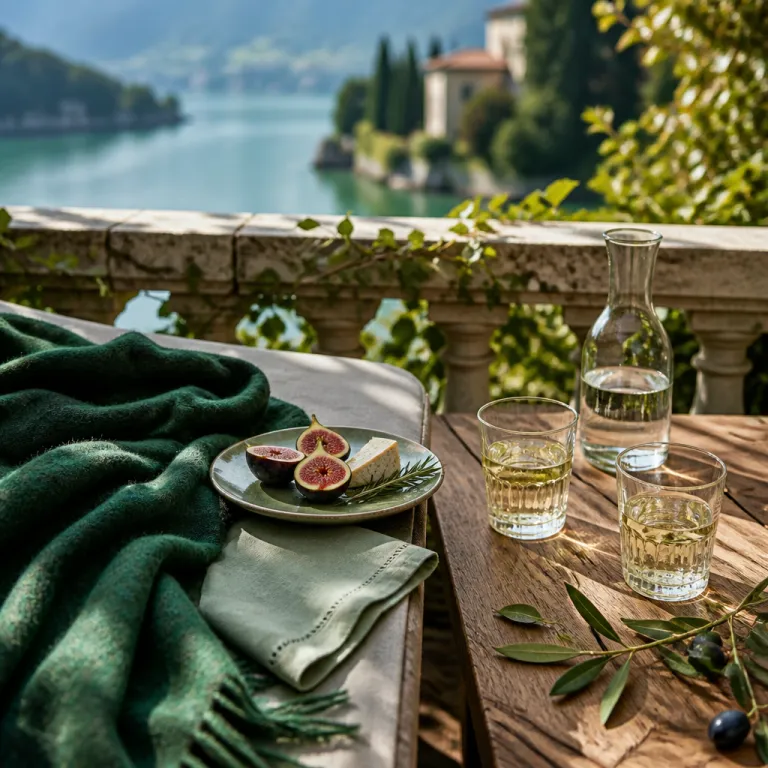
What to do in Lake Como during a luxury Alps escape
Lake Como lies in northern Italy, close enough to the Alps that you can combine it easily with a mountain retreat. Many travellers staying in luxury chalets or premium hotels in the Alps ask what to do in Lake Como for one or two days, and the answer blends culture, time on the water, and refined leisure. With thoughtful planning, the lake and the mountains feel like one continuous journey rather than two separate trips.
The lake itself covers about 146 km², so you need a focused travel guide to prioritise the best experiences instead of trying to see every town. Start by choosing one or two base towns on the lake, such as Como town in the south or Bellagio in the centre, then plan short boat connections to nearby villages. This approach keeps your schedule relaxed while still allowing several different perspectives on the water and surrounding peaks.
From a luxury Alps perspective, the most popular way to arrive is by private transfer from Milan after a morning train from major European cities. The train from Milano Centrale to Como San Giovanni takes around 40 minutes, while Milan to Varenna Esino usually takes about one hour; a private car from Milan to Como town typically costs from €150–€220 one way depending on vehicle class. That combination keeps travel time efficient and comfortable, which matters when you are fitting Lake Como between nights in a premium mountain hotel. Many tourists now use mobile apps for self guided tours, but high end travellers often combine those tools with local guides for deeper context and seamless logistics.
How Lake Como complements luxury stays in the Alps
Guests in premium hotels across the Alps often look for a softer, water focused counterpoint to days of hiking or skiing. Lake Como offers exactly that, with gentle boat tours, lakeside gardens, and slow walks through historic streets in each town on the lake. The contrast between snow capped Alpine views and palm lined shores of Como Lake feels surprisingly natural rather than abrupt, especially when you move from crisp mountain air to the lake’s milder, almost Mediterranean atmosphere.
When you plan what to do in Lake Como around an Alpine itinerary, think in terms of energy levels. After demanding mountain activities, schedule relaxed things on the lake such as a private boat tour, a leisurely visit to a villa garden, or a simple walk along the promenade in Como town. If you still want activity, you can add cycling routes along the shore or short hikes above Bellagio and Varenna for stunning views of the water.
Luxury travellers who value efficient transfers can also use Lake Como as a stylish gateway between different Alpine regions. For example, you might spend several nights in the Dolomites, then follow a curated Dolomites hiking in style itinerary before heading south for a two day trip on the lake. This kind of combined travel guide allows you to enjoy both iconic trails and elegant lakeside evenings without rushed connections.
Signature towns on Lake Como for refined day trips
Understanding the character of each town on Lake Como helps you decide where to spend your limited time. Como town at the southern tip is the transport hub, with frequent train connections to Milan and easy access for tourists arriving from the Alps. Its historic centre, cathedral, and waterfront promenade make it a practical starting point for first time visitors.
Bellagio, often called the pearl of the lake, sits where the three branches of Como Lake meet and offers some of the most beautiful views on the water. The town’s stepped lanes, elegant hotels, and manicured gardens create a refined atmosphere that suits luxury guests arriving from premium Alpine resorts. Many travellers consider Bellagio one of the best towns on the lake for combining scenery, shopping, and relaxed dining.
Across the water, Varenna provides a quieter alternative with a more intimate feel and equally stunning views of the lake and surrounding mountains. The lakeside walk from the ferry dock into the old town is short but atmospheric, especially in the softer light of late afternoon. A Bellagio–Varenna pairing works well for a single day trip, using frequent boat connections to move between the two towns on the lake without stress.
Como town and its role in a luxury itinerary
Como town is not only a gateway but also a destination with its own rhythm and charm. The waterfront offers wide views of the lake, while the funicular up to Brunate gives elevated views of Como Lago and the distant Alps. For guests coming from high end hotels in the mountains, this mix of urban comfort and lake scenery feels pleasantly balanced.
From Como town you can board regular ferries or arrange a private boat tour to reach central towns on the lake such as Bellagio and Menaggio. In peak season, car ferries and passenger boats on the central basin typically run every 20–40 minutes during the day, with slightly reduced frequency in the evening. This flexibility makes it easy to tailor your day according to weather, mood, and how much time you have before returning to your Alpine base. If you arrive by train, the short walk of around 10–15 minutes from Como San Giovanni station to the waterfront keeps transfers simple even with luggage.
Many luxury travellers choose to spend at least one night in Como town before or after their stay in the Alps. That extra time allows an evening stroll along the lake, a relaxed dinner, and perhaps a late boat ride to enjoy the lights reflecting on Como Lake. It also gives space to visit local museums or join a guided walking tour with one of the experienced local guides mentioned in regional tourism materials.
Iconic villas and gardens: refined things to do on Lake Como
Historic villas and landscaped gardens are central to any thoughtful answer to what to do in Lake Como. These estates combine architecture, art, and horticulture, and they frame some of the most photographed views of the lake. For guests used to the timber and stone aesthetic of luxury Alpine lodges, the contrast with neoclassical facades, marble staircases, and terraced gardens feels especially striking.
On the western shore near Tremezzo, Villa Carlotta is one of the best known properties, famous for its sculpture collection and expansive gardens that slope gently down to the water. In spring, the rhododendrons and azaleas create particularly beautiful scenes, while in summer the shaded paths offer a cool walk above the lake. Villa Carlotta is usually open daily from roughly 10:00 to 18:00 in the main season (hours can shorten in early spring and late autumn), so it is wise to reserve villa tours and tickets in advance, especially if you are coordinating with transfers back to an Alpine hotel.
Further south on a wooded promontory, Villa del Balbianello offers some of the most stunning views of Lake Como. The terraced gardens and loggia frame wide views of the lake and distant peaks, making it a favourite location for private events and film shoots. The villa is typically open several days per week from late March to mid-November, with visiting hours often concentrated between late morning and late afternoon. Arriving by boat tour enhances the experience, as you approach the villa from the water and see how it commands its section of Como Lake.
Elegant lakeside estates in Bellagio and Varenna
Bellagio adds its own layer of refinement with Villa Melzi d’Eril, usually referred to simply as Villa Melzi. The villa’s English style gardens stretch along the shore, offering long, open views of the lake and shaded paths beneath mature trees. Villa Melzi’s park is generally open from around late March to late October, often from 10:00 until early evening, which fits well with a late morning arrival by boat. For travellers coming from the Alps, a slow walk through Villa Melzi’s grounds can be one of the best things to do on a rest day between more active excursions.
On the opposite shore in Varenna, Villa Monastero lines the water with a narrow but very scenic garden. The long lakeside path offers repeated views of the lake framed by statues, balustrades, and Mediterranean plants, with the mountains rising sharply behind. Many visitors combine Villa Monastero with a short walk up to the castle above Varenna for even wider views of Como Lago and the central basin.
Because these villas and gardens are among the most popular attractions on Lake Como, timing matters. Aim to visit Lake Como’s major estates early in the day or later in the afternoon, when tour groups are fewer and the light is softer. This strategy is especially important if you are fitting several things into one day trip from a luxury hotel in the Alps and want to avoid queues.
Boat tours, walks, and scenic views for every travel style
Water defines the rhythm of life on Lake Como, so any serious travel guide must address boat options in detail. Regular ferries connect the main towns on the lake, while private boat tours offer more flexible itineraries and quieter experiences. For luxury travellers used to private transfers in the Alps, a tailored boat tour feels like the natural equivalent on the water.
Short crossings between Bellagio, Varenna, and Menaggio make it easy to design your own loop of towns on the lake in a single day. You might start in Bellagio, take a boat to Varenna for a walk through the old town and Villa Monastero, then continue by boat to Menaggio for sunset views of the lake. This pattern of short boat rides and gentle walks keeps the day varied without feeling rushed.
For guests with limited time between Alpine stays, a private boat tour can concentrate several highlights into a single afternoon. Skippers familiar with the lake know how to position the boat for the best views of villas, gardens, and mountain backdrops. A two hour private cruise in the central basin often starts from around €250–€350 per boat, with higher rates for classic wooden launches or sunset cruises. Experienced captains can also advise on timings so that you return to Como town or Bellagio in time for onward transfers to your next hotel in the Alps.
Walking routes and elevated viewpoints
While the lake is central, walking remains one of the simplest and most rewarding things to do around Lake Como. Lakeside promenades in Como town, Bellagio, and Varenna offer easy, level walks with constant views of the water and surrounding hills. These routes suit all ages, which is why Lake Como is widely regarded as suitable for family vacations.
For more elevated views of the lake, consider short hikes above the main towns or use mechanical lifts where available. In several Alpine regions, cable cars provide quick access to high viewpoints, and a similar principle applies when you use the funicular from Como to Brunate for wide views of Como Lago and the distant Alps. Travellers who enjoy lift assisted hiking in the mountains often appreciate this cable car shortcut approach to gaining height without a long climb.
When planning walks, remember that summer afternoons around the lake can be warm, especially compared with higher Alpine valleys. Schedule longer walks for the morning or early evening, and use the middle of the day for shaded gardens or leisurely boat rides. Comfortable shoes are essential, particularly in towns where cobbled lanes and stepped alleys are part of the charm.
Practical planning: trains, timing, and pairing with Alpine hotels
Efficient logistics are crucial when you are combining Lake Como with a luxury stay in the Alps. Most travellers arrive via Milan, then continue by train to Como town or Varenna Esino, depending on which part of the lake they plan to visit. From there, ferries and buses connect the main towns on the lake, making it realistic to explore without a car.
Spring and autumn are often the best time to visit Lake Como if you prefer mild temperatures and fewer crowds. These seasons also align well with popular hiking periods in the Alps, allowing you to move between mountains and lake without extreme heat or heavy snow. Summer brings lively waterfronts and more frequent boat services, while winter offers quieter towns and snow capped views of the surrounding peaks.
When planning what to do in Lake Como around a fixed Alpine itinerary, think in terms of focused day trips rather than trying to circle the entire lake. A single day trip from Milan or from an Alpine base can comfortably include one or two towns on the lake plus a villa visit and a short boat tour. For longer stays, you can slow the pace and add cycling routes, cooking classes, or more remote villages on Como Lake’s northern arms.
Integrating Lake Como into a wider Alps journey
Many luxury travellers now design multi stop itineraries that weave together different Alpine regions with Lake Como as a highlight. You might start in Switzerland or Austria, cross into the Italian Alps for several nights in a premium hotel, then descend to the lake for a softer finale. Understanding where Lake Como sits in relation to major passes and rail routes helps you avoid backtracking and wasted time.
For detailed mapping of how the lake fits into a broader mountain journey, consult a specialised resource on where exactly Lake Como sits within a luxury Alps itinerary. Such guidance helps you align train schedules, private transfers, and hotel check in times across both lake and mountain destinations. It also supports more sustainable choices, such as using public transport where practical and reserving private cars for the most complex segments.
Regional tourism materials emphasise that “Spring and autumn offer mild weather and fewer crowds.” This advice aligns well with the preferences of many high end guests, who value calm environments, attentive service, and the ability to enjoy popular places like Villa Carlotta or Bellagio without heavy congestion. By respecting local rhythms and planning ahead, you enhance both your own experience and the sustainability of the region.
Lake Como trends and how they shape luxury travel from the Alps
Recent years have seen a clear rise in luxury accommodations around Lake Como, mirroring similar growth in premium hotels across the Alps. This evolution has changed how travellers think about what to do in Lake Como, shifting from quick sightseeing to slower, experience based stays. Guests now expect curated activities, from private boat tours to chef led tastings, that match the standards of top Alpine resorts.
Eco tourism is also gaining ground, with more visitors seeking low impact ways to enjoy the lake and its towns. Choosing trains instead of private cars where possible, sharing boat transfers, and focusing on walking tours are all practical ways to reduce your footprint while still enjoying the best things the region offers. Many local businesses now highlight sustainable practices, which resonates with travellers who already appreciate protected landscapes in the Alps.
Adventure sports are growing around the lake as well, though they remain less dominant than in high Alpine valleys. Kayaking, sailing, and stand up paddleboarding offer active ways to experience the lake, while nearby hills provide opportunities for trail running and cycling. For guests who split their time between intense mountain activities and gentler lake based things, this variety keeps longer trips engaging.
Culinary experiences and local culture
Culinary tourism has become one of the most popular reasons to visit Lake Como, especially for travellers already familiar with refined dining in Alpine hotels. Lakeside restaurants showcase freshwater fish, regional cheeses, and Lombard specialities, often paired with wines from nearby Valtellina. Planning your day so that a long lunch or dinner anchors your schedule can be one of the best things you do on the lake.
Local guides play a key role in connecting visitors with authentic experiences, from market visits to private tastings in historic villas. Their knowledge complements the comfort and privacy that luxury travellers expect, bridging the gap between curated itineraries and spontaneous encounters. Boat operators, restaurateurs, and hoteliers increasingly collaborate to create seamless days that move gracefully between water, town, and countryside.
For families, Lake Como offers a gentle introduction to Italian culture that pairs well with more structured activities in the Alps. Children can enjoy short boat rides, easy walks, and gardens, while adults appreciate the architecture and views of the lake. Because swimming is permitted in designated areas, summer stays can include relaxed time by the water as well as excursions to nearby mountains.
Key figures and useful statistics about Lake Como
- Lake Como covers approximately 146 km², making it one of the largest lakes in Italy and large enough that careful planning is needed to choose which towns and villas to prioritise during a short stay (source : Lake Como Tourism Board).
- Regional tourism data notes around 20 notable historic villas open to visitors around the lake, which explains why villa and garden visits feature prominently in most travel guides and curated itineraries (source : Lake Como Tourism Board).
- Public transport options include frequent ferries linking major towns on the lake and regular train services from Milan to Como and Varenna, allowing many visitors to explore without renting a car (source : regional transport authorities).
- Seasonal patterns show that spring and autumn bring milder temperatures and fewer crowds than peak summer, aligning well with typical hiking seasons in the Alps and making these periods ideal for combined lake and mountain trips (source : regional tourism offices).
- Tourism boards report steady growth in eco tourism and culinary tours around Lake Como, reflecting a broader shift from quick sightseeing to slower, experience based travel that matches trends seen in luxury Alpine destinations (source : regional tourism reports).
Frequently asked questions about Lake Como for luxury Alps travellers
What is the best time to visit Lake Como when combining it with the Alps ?
Spring and autumn are usually the best time to visit Lake Como if you are also spending time in the Alps. Temperatures are mild in both regions, crowds are lighter than in peak summer, and transport connections operate reliably. These seasons make it easier to enjoy outdoor activities on the lake and in the mountains without heatwaves or heavy snow.
Are there public transportation options around Lake Como suitable for high end travellers ?
Yes, there are efficient public transportation options around Lake Como that work well even for luxury itineraries. Ferries connect the main towns on the lake, while trains link Como and Varenna with Milan and other hubs. Many premium travellers combine these services with private transfers for specific segments, such as late evening arrivals or complex cross Alpine routes.
Can I swim in Lake Como during a stay linked to the Alps ?
Swimming is permitted in designated areas of Lake Como, and several towns maintain public lidos or beach clubs. Water temperatures are most comfortable in summer, which pairs well with higher altitude hiking in the Alps where air remains cooler. Always check local signage and conditions, as safety rules and water quality monitoring vary by location.
Are guided tours available for villas and towns on Lake Como ?
Guided tours are widely available, ranging from group walking tours in Como town to private villa visits and custom boat excursions. Local guides bring depth to the experience by explaining history, architecture, and daily life around the lake. For popular sites such as Villa Carlotta or Villa del Balbianello, advance reservations are strongly recommended, especially in peak periods.
Is Lake Como suitable for family vacations linked with Alpine stays ?
Lake Como is well suited to family vacations, particularly when combined with more active days in the Alps. Children usually enjoy short boat rides, lakeside walks, and gardens, while adults appreciate the scenery and cultural sites. The region offers a broad range of accommodation and dining options, making it easy to adapt each day to different ages and energy levels.
Sources : Lake Como Tourism Board, Lombardy Region Tourism Office, Italian National Institute of Statistics (ISTAT).