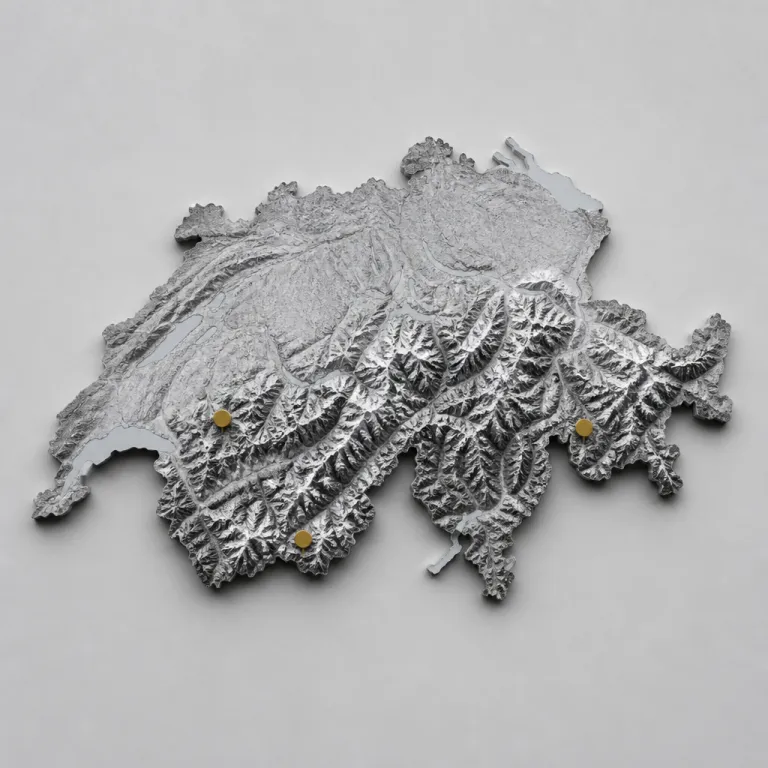
Understanding where the Swiss Alps are and how they shape luxury travel
The question of where the Swiss Alps are is the starting point for any refined itinerary. This major section of the Alps in Switzerland stretches in a sweeping arc from Lake Geneva in the west to the border with Austria in the east, forming the high alpine backbone of the country. When you book a luxury hotel here, you are choosing a stay in one of Europe’s most dramatic mountain environments, where five star comfort meets raw peaks and glaciers.
Geographically, the Alps located in Switzerland cover around 60 percent of the country, running south of the Swiss Plateau that hosts cities such as Bern and Zurich. This means that many of the best places for premium hotels sit within easy rail connections from the plateau, yet feel a world away once you arrive among the mountains. The Swiss Federal Office of Topography (swisstopo) maps this region precisely, with central alpine areas such as the Bernese Oberland and central Switzerland lying roughly between 46° and 47° north and 7° to 9° east.
The Swiss Alps are part of the wider European Alps, which extend across France, Italy, Austria, Germany, Slovenia, and other destinations in central eastern Europe. In this Swiss segment of the mountains, you find 48 peaks rising above 4 000 metres, including the Dufourspitze, the highest point in alpine Switzerland. The Swiss Alpine Club (SAC-CAS) documents these four-thousanders in detail. For luxury travellers, this density of high mountains translates into exceptional panoramic view options from suites, rooftop spas, and fine dining terraces.
Geologists explain that the mountain range here formed through the collision of the African and Eurasian tectonic plates, followed by intense erosion and glaciation. That long geological story created the deep valleys, hanging glaciers, and sculpted ridges that now host cable cars, scenic rail routes, and high end alpine climbing lodges. When you choose a premium hotel in this country, you are effectively booking front row seats to one of the most spectacular natural theatres in Europe.
Before planning your travel, it is wise to understand how altitude and weather affect a stay in the Swiss Alps. The Swiss Geological Survey and international research institutions monitor glaciers and snowpack, which directly influence ski in ski out access, helicopter tours, and even spa design. Their guidance aligns with three essential tips for guests in the mountains: “Check weather conditions before visiting. Prepare for altitude changes. Respect local guidelines and nature.”
Suggested image: A map of Switzerland showing the arc of the Alps from Lake Geneva to the Austrian border. Alt text: “Map highlighting where the Swiss Alps are within Switzerland, from Lake Geneva to eastern alpine regions.”
Key regions of the Swiss Alps for luxury and premium hotel stays
Once you know where the Swiss Alps are on the map, the next question is which regions offer the most refined hotel experiences. The Berner Oberland, part of the Bernese Alps, is one of the most popular choices for travellers who want dramatic mountains combined with polished service. Here, luxury properties cluster around resorts such as Gstaad, Grindelwald, Wengen, and Mürren, each offering a different balance of seclusion, nightlife, and access to alpine activities.
The Bernese Alps rise sharply south of the Swiss Plateau, so you can travel from Zurich or Bern by direct train in just two to three hours and still arrive in time for an evening spa session. Iconic peaks such as the Eiger, Mönch, and Jungfrau dominate the skyline, and many suites are designed so that the first thing you view each morning is a sunlit north face. For guests comparing destinations across Europe, this combination of easy access and high mountain drama is a decisive advantage.
Another key region lies around Lake Geneva, where the Alps located along the northern shore meet terraced vineyards and historic towns. From Montreux or Vevey, you can book a guided excursion into the nearby mountains, then return to a lakeside palace hotel with Michelin starred dining and curated wine lists. This area is also a strategic base if you plan to explore both Switzerland and neighbouring regions of France and Italy during the same trip.
For travellers researching where the Alps are in Europe for luxury stays, a detailed regional overview is essential. A helpful resource is this in depth guide on the exact position of the Alps in Europe for high end travel, which clarifies how the Swiss Alps connect to neighbouring ranges. Understanding this geography helps you combine several destinations in one itinerary, such as a week in the Berner Oberland followed by a few nights near Mont Blanc.
Further east, the central eastern Swiss Alps host resorts like St. Moritz, Arosa, and Davos, where luxury hotels focus on discreet service, private transfers, and direct access to ski slopes or summer mountain biking trails. These mountains are slightly more remote than the Berner Oberland, which appeals to guests seeking privacy and a quieter atmosphere. When you refine your travel plans to include this region, you gain access to some of the best spa facilities and designer shopping in the Alps.
Suggested image: Evening view over Gstaad with chalet-style luxury hotels and snowy peaks. Alt text: “Luxury hotels in Gstaad village framed by the Bernese Alps at sunset.”
Iconic peaks, lakes, and glaciers that define premium alpine stays
Understanding where the Swiss Alps are also means understanding which natural landmarks shape the character of each luxury destination. High above the valleys, glaciers carve the ridges and feed turquoise lakes, creating the views that many guests prioritise when choosing a suite. In alpine Switzerland, these features are not just scenic; they influence everything from hotel architecture to seasonal pricing.
Mont Blanc, while technically straddling the border between France and Italy, dominates the western skyline and can be seen from certain Swiss resorts on clear days. Many premium hotels design rooftop terraces or panoramic pools so guests can view this legendary mountain while enjoying champagne or a tasting menu. When you browse hotel galleries and view photos, pay attention to whether the advertised vista includes glaciers, lakes, or specific summits that matter to you.
Within the Bernese Alps, the Aletsch Glacier stands out as the largest glacier in the Alps, and several high end properties offer helicopter tours or guided excursions to its viewpoints. These experiences are often part of curated packages that combine scenic flights, fine dining, and private transfers. For travellers who value exclusivity, such tailored itineraries popular among high net worth guests can be more compelling than standard group excursions.
Lakes also play a central role in defining the best places for luxury stays in the Swiss Alps. Lake Geneva, Lake Thun, and Lake Brienz each host waterfront hotels where you can combine mountain views with sailing, paddleboarding, or lakeside spa rituals. Choosing a property that faces both mountains and lakes gives you a layered view that changes with every hour of the day.
For guests comparing the Alps in Switzerland with other destinations, it helps to understand the density of high peaks and glaciers here. The Swiss Alpine Club reports 48 summits above 4 000 metres, which means a high probability of dramatic skylines from many hotel terraces. If you are deciding between a beach resort and an alpine retreat, this analysis of how the Alps outperform coastal stays in August can help clarify the advantages of altitude, cooler temperatures, and clearer air.
Suggested image: Aletsch Glacier with a viewing platform and distant luxury mountain lodge. Alt text: “View over the Aletsch Glacier in the Swiss Alps from a high-altitude lookout.”
How to choose the best luxury hotel by region and season
Knowing where the Swiss Alps are is only the first step; choosing the right hotel in the right valley at the right time of year is what turns a trip into a seamless experience. Start by deciding whether you prefer a lake setting, a high altitude village, or a discreet mountain hideaway accessible only by cable car or private transfer. Each option offers a different balance of privacy, activities, and access to tours popular with international guests.
In winter, resorts in the Berner Oberland and central eastern regions such as St. Moritz or Davos excel for ski in ski out access, heli skiing, and long groomed pistes for all levels. Many luxury hotels here offer in house ski concierges, private guides for alpine climbing on mixed terrain, and curated mountain biking routes for the shoulder seasons. When you update your wish list, consider whether you want direct access to slopes or are content with a short shuttle ride in exchange for a quieter setting.
Summer brings a different rhythm to the Swiss Alps, with hiking, mountain biking, and high altitude wellness retreats taking centre stage. Lakes such as Lake Geneva and Lake Lucerne become hubs for water based activities, while glaciers provide cooler air and striking backdrops for yoga decks and panoramic pools. Rail journeys such as the Glacier Express or Bernina Express turn the journey itself into a luxury experience, with large windows framing every mountain and valley.
For guests who value cultural experiences alongside nature, choosing hotels near historic towns on the Swiss Plateau can be a wise strategy. Staying within easy reach of Zurich or Bern allows you to combine museum visits and fine dining in the city with day trips into the nearby mountains. This hybrid approach suits travellers who want both urban sophistication and alpine serenity in a single itinerary.
Whatever region you select, pay attention to how each property frames its view and integrates the surrounding mountains into its design. Suites that face glaciers or iconic peaks often command higher rates, but they also deliver the sense of place that defines a true alpine luxury stay. Reading detailed room descriptions and studying view photos carefully will help ensure that what you imagine matches what you experience on arrival.
Suggested image: Infinity pool of a Swiss luxury hotel overlooking a glacier and high peaks. Alt text: “Panoramic spa pool in a Swiss Alps luxury hotel facing snow-covered mountains.”
Signature experiences: from train tours to guided alpine adventures
Once you have located where the Swiss Alps are and chosen your base, the next step is curating experiences that match the level of your hotel. Luxury travel in alpine Switzerland increasingly focuses on personalised tours rather than standard group excursions, with private guides, flexible timings, and tailored routes. This approach allows you to explore the mountains at your own pace while maintaining the comfort and privacy you expect.
Scenic rail journeys are among the most popular ways to appreciate the scale of the mountains without sacrificing comfort. Routes such as the Glacier Express, Bernina Express, and GoldenPass line offer first class carriages, gourmet menus, and vast windows framing every alpine valley. Many premium hotels can arrange door to door transfers that link your suite directly with these trains, turning travel days into highlights rather than logistical chores.
For more active guests, guided options include alpine climbing on classic ridges, glacier walks with certified mountain guides, and bespoke mountain biking itineraries that end at a spa or wine tasting. These tours explore both the high mountains and the gentler landscapes of the Swiss Plateau, giving you a complete sense of where the Swiss Alps are in relation to the rest of the country. When evaluating experiences popular with discerning travellers, look for small group sizes, qualified guides, and clear safety protocols.
Helicopter tours offer another layer of exclusivity, especially in regions near Mont Blanc or the highest peaks of the Valais. From the air, you can view glaciers, lakes, and remote mountain huts that are otherwise accessible only after long hikes or climbs. Many luxury hotels partner with trusted aviation companies to integrate these flights into multi day packages that also include fine dining and spa treatments.
For guests who prefer a slower pace, private wine tastings in alpine vineyards, lake cruises on Lake Geneva, and architectural walks in historic towns on the Swiss Plateau provide a softer way to explore. These experiences highlight how closely the mountains, lakes, and cities are intertwined in this compact country. When you adjust your itinerary, aim for a balance between high altitude adventure and low altitude relaxation to make the most of your time in the Swiss Alps.
Suggested image: First-class panoramic carriage on the Glacier Express crossing a high bridge. Alt text: “Luxury panoramic train crossing a viaduct in the Swiss Alps with snowy peaks in the background.”
Practical planning tips for a seamless luxury stay in the Swiss Alps
Understanding where the Swiss Alps are also means understanding how to reach them efficiently and comfortably. International travellers usually arrive via Zurich, Geneva, or sometimes Milan, then transfer by train, private car, or helicopter to their chosen resort. Because the Alps located in Switzerland sit relatively close to major cities, you can often move from airport lounge to mountain suite in a single afternoon.
When planning your travel dates, consider both climate and crowd levels in the most popular destinations. Peak winter and high summer bring the liveliest atmosphere but also the highest rates, so shoulder seasons can offer better value while still delivering excellent conditions for hiking, spa retreats, and scenic tours. Luxury hotels often provide added value during these periods, such as complimentary guided experiences or room upgrades.
Altitude is another key factor in planning a premium stay in the Swiss Alps. Many resorts sit between 1 000 and 2 000 metres, which most guests tolerate well, but higher villages and alpine climbing bases can require a day or two of gentle acclimatisation. Following the expert advice to check weather conditions, prepare for altitude changes, and respect local guidelines will help you enjoy the mountains safely.
For multi destination itineraries across Europe, it is helpful to map how the Swiss Alps connect with neighbouring regions in France, Italy, and Austria. High speed trains and well maintained highways make it easy to combine a week in alpine Switzerland with a few days on the Italian lakes or in a French wine region. This flexibility is one reason why the Alps remain among the best places for travellers who value both variety and efficiency.
Finally, use your hotel’s concierge team as a strategic partner when you refine and finalise your plans. Experienced staff in luxury properties know which activities popular with visitors actually deliver value, which restaurants are worth the detour, and where to find the quietest viewpoints for sunrise or sunset. Their local insight, combined with your understanding of where the Swiss Alps are and how the regions differ, will turn a simple booking into a deeply satisfying alpine journey.
Suggested image: Private transfer vehicle arriving at a Swiss mountain resort at dusk. Alt text: “Chauffeured car arriving at a luxury Swiss Alps hotel with mountains in the background.”
Why altitude luxury in the Swiss Alps rivals any coastal escape
Many travellers comparing destinations ask not only where the Swiss Alps are, but why they should choose mountains over the sea for their next luxury stay. The answer lies in the unique combination of altitude, climate, and landscape that alpine Switzerland offers. At higher elevations, summer temperatures remain comfortable, air quality improves, and the play of light on glaciers and lakes creates endlessly changing views.
From a wellness perspective, the Swiss Alps provide a natural setting for recovery, reflection, and high performance training. Many premium hotels integrate spa programmes that use glacier water, alpine botanicals, and panoramic relaxation rooms facing the mountains. When you wake to a clear view of peaks and breathe cool morning air, the contrast with urban life or humid coastal climates becomes immediately apparent.
For active guests, the range of activities available within a compact area is another decisive advantage. In a single day, you can combine a morning of mountain biking or hiking with an afternoon lake cruise and an evening tasting menu in a Michelin starred restaurant. This density of experiences is possible because the Alps located in Switzerland sit so close to the Swiss Plateau and its well connected transport network.
Travellers who still hesitate between beach and mountain may find it helpful to read a focused comparison of altitude versus coastline stays. An insightful perspective is offered in this article on why choosing the Alps over the beach in August can elevate your holiday, which analyses climate, crowding, and overall guest experience. For many, the conclusion is clear: the calm, space, and clarity of the Swiss Alps provide a deeper sense of renewal.
Ultimately, knowing where the Swiss Alps are on the map is only the beginning; understanding how altitude, landscape, and culture combine here is what guides a truly informed hotel choice. Whether you favour the drama of the Bernese Alps, the elegance of Lake Geneva, or the discreet charm of the central eastern resorts, this mountain country offers a level of refinement that rivals any coastal escape. With careful planning and the right property, your next stay in the Alps can set a new benchmark for luxury travel.
Suggested image: Sunrise over the Matterhorn viewed from a hotel balcony. Alt text: “Sunrise light on the Matterhorn seen from a luxury hotel balcony in the Swiss Alps.”
Key figures about the Swiss Alps and luxury travel
- Approximately 60 percent of Switzerland is covered by the Alps, according to the Swiss Federal Statistical Office (BFS), which explains why so many premium destinations sit within easy reach of major cities.
- The Swiss Alpine Club reports 48 peaks over 4 000 metres in the Swiss Alps, giving travellers an unusually high concentration of dramatic summits visible from hotels and panoramic trains.
- The highest peak in the Swiss Alps is Dufourspitze at 4 634 metres, a central reference point for advanced alpine climbing itineraries and helicopter sightseeing tours.
- Switzerland’s coordinated mapping and monitoring efforts, led by the Swiss Federal Office of Topography and the Swiss Geological Survey, use advanced geospatial techniques to track glaciers and terrain changes that directly affect tourism infrastructure.
- Tourism authorities note a long term increase in visitor numbers to alpine regions, which has encouraged the development of sustainable luxury properties that balance guest comfort with environmental responsibility.
FAQ about the Swiss Alps and luxury hotel stays
Where exactly are the Swiss Alps within Switzerland?
The Swiss Alps stretch in an arc across southern and eastern Switzerland, running from the region around Lake Geneva in the west to the border with Austria in the east. They lie south of the Swiss Plateau, where cities such as Bern and Zurich are located. This geography makes it easy to reach high mountain resorts by train or car from major urban centres.
Are the Swiss Alps part of the wider European Alps?
Yes, the Swiss Alps form one segment of the European Alps, which extend across France, Italy, Austria, Germany, Slovenia, and several other countries. When you travel through alpine Switzerland, you are moving within this larger mountain system that shapes much of central eastern Europe. This continuity allows travellers to combine Swiss resorts with neighbouring alpine destinations in a single itinerary.
What is the highest peak in the Swiss Alps and why does it matter for travellers?
The highest peak in the Swiss Alps is Dufourspitze at 4 634 metres, located in the Monte Rosa massif near the Italian border. While only experienced climbers attempt its summit, its presence contributes to the dramatic skyline visible from many resorts in the Valais region. For luxury travellers, this means access to exceptional helicopter tours, panoramic viewpoints, and high altitude photo opportunities.
What activities can luxury travellers enjoy in the Swiss Alps?
Guests in the Swiss Alps can enjoy skiing, snowboarding, and heli skiing in winter, along with hiking, mountain biking, and alpine climbing in summer. Year round options include spa retreats, scenic rail journeys, fine dining, and guided excursions to glaciers and lakes. Many premium hotels curate bespoke packages that combine several of these activities with private transfers and expert guides.
How is climate change affecting glaciers and tourism in the Swiss Alps?
Climate change is contributing to the retreat of glaciers in alpine Switzerland, which affects long term water resources, landscape appearance, and certain high altitude routes. Research institutions and agencies such as the Swiss Geological Survey monitor these changes using satellite imaging and field surveys. For travellers, this means that some glacier based activities are being adapted, while sustainable tourism practices and seasonally flexible experiences are gaining importance.
Sources: Swiss Federal Office of Topography (swisstopo), Swiss Federal Statistical Office, Swiss Alpine Club.