Reading an alpine autumn menu like an insider
Alpine autumn dining begins the moment the first game dish appears. In luxury hotels across the Alps, the menu shifts quietly from tomatoes and river fish to venison, chamois and slow braises that feel made for the first snow. You taste the season in every plate, not in a themed week but in a steady, confident change of rhythm.
Look for wild mushrooms, roasted pumpkin, chestnut purées and rich stocks that speak of time, not tricks, when you scan the dinner menu in a serious mountain resort. A thoughtful restaurant team will write a different lunch dinner offer than in summer, with smaller portions at midday and deeper, more layered sauces at night. The most reliable sign is how the kitchen uses fall vegetables alongside game, because that pairing reveals whether the chef understands the valley rather than just the marketing calendar.
In the best properties, the dining room moves from terrace to timbered heart, and the whole setting changes how you read the food. You might sit beside a window facing a lake or a national forest, yet the plate still tells you which summit and which valley you are actually eating. When you plan a trip, ask for sample menus in rich text or even a simple text responsive PDF, because the structure of starters, small plates and mains will show how seriously the hotel treats the season.
Couples who care about alpine autumn dining should learn to ask very specific questions before booking. Request details about the game sourcing, the number of seasonal options on the dinner menu and whether the hotel offers a separate autumn tasting sequence in the main dining room. If the answers feel vague, the dining experience will probably feel generic, no matter how impressive the mountain views or how award winning the marketing copy sounds.
From terrace to stube: how the room shapes the meal
As temperatures drop and the first snow dusts the higher mountain slopes, the meal moves indoors and the atmosphere changes completely. Summer’s bright terrace tables give way to panelled stuben, stone fireplaces and candlelit corners where fall colors outside the windows frame the evening. Alpine autumn dining is as much about this shift in setting as it is about what appears on the plate.
In grand lodges above Zermatt or discreet retreats in South Tyrol, the dining room becomes a cocoon, with fabrics, wood and low light designed to slow you down between courses. Couples notice how a small table by the window can feel private even in a busy restaurant, especially when the lake or valley below glows with larch and beech. When you read hotel descriptions, pay attention to whether they describe the room itself or only the food, because the space will shape your dining experience every night of your stay.
Some properties now offer flexible spaces where breakfast lunch is served in a bright room, then the same area transforms into a more intimate restaurant for lunch dinner and game focused evenings. This is where a responsive table layout, both in the literal furniture and in the digital menu design, matters for couples who want choice without chaos. A well run lodge will keep the flow calm, with small plates at the bar, a focused dinner menu in the main room and perhaps a quieter corner for guests returning late from mountain biking or the golf course.
If you are comparing hotels for alpine autumn dining, look for photos that show how guests actually use the space. A room that feels empty in summer can become perfectly scaled in fall, when fewer tables, thicker fabrics and mountain views framed by early dusk create intimacy. For deeper context on how high altitude dining rooms handle seasonal shifts and tasting formats, the guide to Alpine mountain tasting menus at 2 000 meters offers useful benchmarks.
Game, mushrooms and chestnuts: what the season really tastes like
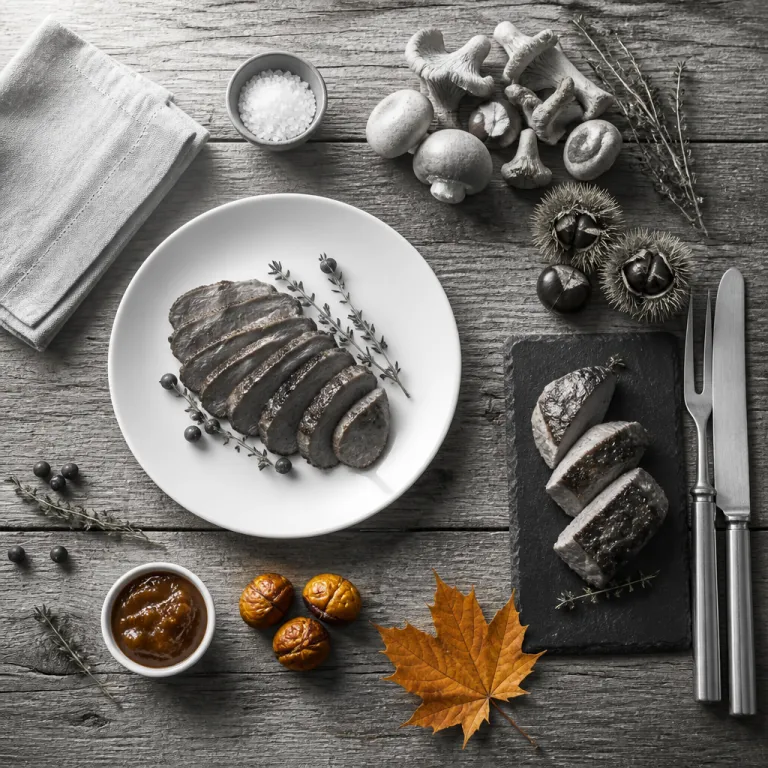
When the kitchen turns to game, alpine autumn dining becomes unmistakable. Venison loin with juniper, slow cooked wild boar, or a small pie of braised chamois might sit beside porcini, chanterelles and chestnut purée on the dinner menu. The best chefs treat these ingredients with restraint, letting the mountain speak rather than burying everything under heavy sauces.
In South Tyrol and western Austria, you will often see Speck, pumpkin and local dumplings woven through both the lunch dinner offer and the more elaborate evening menu. A thoughtful mountain resort might serve small plates of roasted pumpkin with hazelnuts at the bar, then a more composed game dish in the main restaurant, giving couples different options across the day. Pay attention to whether the same garnishes repeat on every plate, because that usually signals a kitchen working from a template rather than from the actual fall market.
Breakfast lunch in autumn also changes character, especially in lodges that take seasonality seriously. You may find forest honey, darker breads, and preserves made from berries gathered near the national forest, alongside heartier egg dishes that set you up for mountain biking or a walk to the nearest summit. Later, when you return from the golf course or a stroll along the main street, the coffee shop corner might offer chestnut cakes and spiced pastries that echo the evening’s richer flavors.
For couples choosing a hotel through stay-in-alps.com, the most reliable signal of quality is how consistently the property talks about the season across its dining experience. Menus written in clear, rich text, rather than generic marketing blurbs, usually reflect a chef who respects the valley and its producers. If you want to understand how serious hotel kitchens think beyond headline tasting menus, the analysis of where Alpine hotel bars quietly outshine their formal dining rooms is essential reading.
Wine, new vintages and the autumn table
Autumn in the Alps is not only about game and mushrooms ; it is also when the wine list quietly pivots. Serious hotel restaurants in regions like Valais, the Wachau or Alto Adige start pouring the first young bottles alongside more mature alpine whites and structured reds. Couples who care about alpine autumn dining should read the wine section of the menu as closely as the food.
Look for a balance between local alpine producers and classic European regions, with clear notes about vintages and suggested pairings for game, lake fish and vegetarian fall dishes. A well curated wine list will offer both small producers from the surrounding valley and benchmark estates, giving you options at different price points without overwhelming you. When a sommelier can explain why a particular new wine works with chestnut and venison, you know the dining experience is built around the season rather than the cellar inventory.
Many luxury lodges now host informal tastings in a side dining room or even in a relaxed coffee shop space during quieter afternoons. These sessions often use a simple responsive table of wines and pairings, printed in text responsive formats so guests can follow along on their phones while they taste. Couples can learn how certain grapes handle the cooler alpine climate, how altitude shapes acidity, and why some bottles shine with small plates of cured meats while others belong beside a full game course.
When you plan a trip around alpine autumn dining, ask whether the hotel offers a focused wine evening or a harvest themed dinner menu. Properties that take this seriously will often coordinate with local vineyards, sometimes even arranging short walks through nearby national forest paths that end with a glass at sunset. For travelers interested in how these seasonal rituals intersect with wellness and longevity culture in the mountains, the feature on where Alpine longevity clinics genuinely deliver results offers a broader view of how the region thinks about time, age and pleasure.
Choosing the right hotel for an autumn harvest stay
Booking the right hotel for alpine autumn dining means looking beyond star ratings and spa photos. Start by examining how the property describes its restaurant, its lodge style spaces and its connection to the surrounding mountain and valley. A place that talks about producers, seasons and specific dishes usually cares more about your plate than your Instagram feed.
On stay-in-alps.com, pay attention to how each review discusses the dining room, the range of options across breakfast lunch and lunch dinner, and whether the hotel feels equally comfortable for couples returning from mountain biking or from a slow walk along the main street. Some properties lean into a refined, award winning restaurant format, while others offer a more relaxed dining experience with small plates at the bar and a concise dinner menu in the main room. Neither approach is automatically better ; what matters is how clearly the hotel articulates its style and how well that matches your expectations.
Consider the wider setting as well, because alpine autumn dining feels different in a high summit village than in a lower valley town beside a lake or golf course. A remote mountain resort near a national forest might offer extraordinary mountain views and deep quiet, but fewer off site restaurant options or shops. By contrast, a hotel on the edge of a lively main street can combine serious food with easy access to a coffee shop, a wine bar and a late night stroll under the fall colors.
As you plan a trip, remember that the most memorable meals often come from kitchens that bear the rhythm of the place rather than chasing trends. Look for menus that change week by week, staff who can learn your preferences over a few nights, and rooms where the snow line, the forest and the village all feel present at the table. When those elements align, alpine autumn dining becomes less a restaurant booking and more a quiet, enduring experience you will measure future trips against.
FAQ
What does an authentic alpine autumn menu usually include ?
An authentic alpine autumn menu usually features game such as venison or wild boar, foraged mushrooms, chestnuts, pumpkin and hearty grains. You will often see slow cooked dishes, richer sauces and sides that reflect local valley produce. Desserts tend to highlight apples, pears, nuts and warm spices that suit cooler evenings.
How early should I book a hotel focused on alpine autumn dining ?
For popular regions like Zermatt, the Dolomites or the Arlberg, booking three to six months ahead is sensible for peak autumn weekends. Smaller lodges with strong reputations for food can fill even earlier, especially when they host harvest dinners. If you are flexible on dates or room category, midweek stays usually offer more availability.
How can I tell if a hotel restaurant is truly seasonal ?
Check whether the online menu changes during the year and whether autumn dishes reference specific ingredients, producers or nearby forests. Ask the hotel directly how often the dinner menu is updated and whether game and mushrooms are sourced locally. A genuinely seasonal kitchen will answer with concrete details rather than generic phrases.
Are vegetarian options good in alpine autumn dining ?
Vegetarian options have improved significantly in many luxury Alpine hotels, especially in regions with strong produce traditions. Autumn brings excellent mushrooms, pumpkins, root vegetables and cheeses that can anchor satisfying meat free dishes. When booking, request sample menus and ask specifically about vegetarian autumn plates to gauge the kitchen’s creativity.
Is it worth choosing a hotel just for its restaurant in autumn ?
For many couples, a hotel with a strong restaurant can define the entire trip, especially in autumn when outdoor hours are shorter. If you value long dinners, thoughtful wine lists and a calm dining room, prioritizing food focused properties makes sense. Just ensure the overall setting, room style and service level also match how you like to travel.