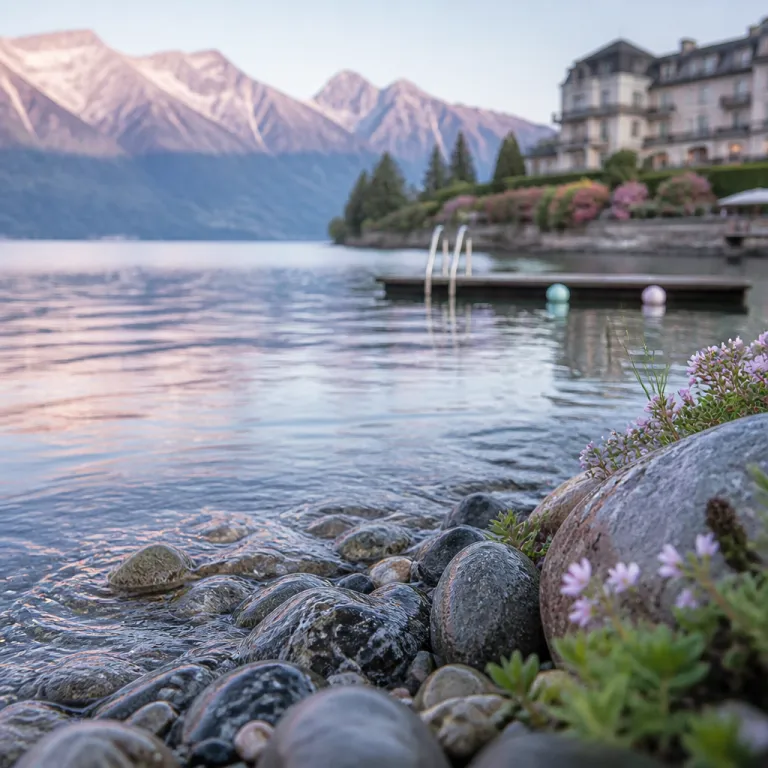
Can you safely swim in Lake Como from a luxury traveller’s perspective?
Can you safely swim in Lake Como from a luxury traveller’s perspective ?
Yes, you can safely swim in Lake Como when you choose designated bathing areas. Local authorities monitor this iconic swimming lake under the framework of the EU Bathing Water Directive (Directive 2006/7/EC) and publish seasonal data on water quality in the official Lombardy regional bathing-water reports. For a luxury guest planning a refined stay in northern Italy, that level of oversight is reassuring.
According to recent Lombardy regional bathing-water summaries for Lake Como (Lago di Como), there are around 60+ officially designated places where you can swim in the lake. In the latest published seasons, more than 90 % of these supervised areas are rated either “excellent” or “good” for bathing water quality, a strong indicator for travellers who expect high standards. Because classifications are updated annually, it is wise to verify the current figures and opening dates before your trip rather than relying on older statistics.
To answer the core question “can you swim in Lake Como” in practical terms, you should always favour a managed public beach or a well equipped lido. These locations are designed for safe swimming, with clear access to the water and, in many cases, lifeguards on duty during the main summer season. They also tend to offer changing cabins, sun beds, and shaded areas that align with premium expectations and make the experience feel closer to a beach club than a simple lakeshore.
Local guidance is very clear about how to enjoy this beautiful lake responsibly. Authorities recommend that you check water quality reports before entering the water and that you use only the designated swimming areas marked by buoys or signs. They also insist that swimmers remain aware of boat traffic zones, which can be busy during the peak of the day when ferries, private launches, and water taxis are most active.
For guests used to Alpine spa pools and heated swimming pool facilities, the natural water temperature is an important detail. In summer, the water in Lake Como usually ranges from about 22 to 26 °C (72–79 °F), which feels refreshing but not harsh after a few strokes. This makes it pleasant to swim in the lake before breakfast or after a long hike in the surrounding mountains, especially when the air is warmer than the water.
Some travellers ask whether it is safe to swim in Lake Como outside the main season. The answer depends on both the water temperature and the status of the public beach infrastructure, which may be reduced or closed. If you prefer guaranteed comfort, align your stay with the best time for swimming, when lidos are fully operational, lifeguard schedules are published, and services such as bars and restaurants are at their peak.
Luxury hotels around the lake often combine direct access to Como beaches with private swimming pool areas. This dual offer lets you choose between a controlled pool environment and the more natural feel of a swimming lake, depending on your mood and the weather. When you book, ask whether the property has a private jetty, a floating platform, or a reserved section of public beach for guests, as these details can transform a simple swim into a signature experience.
In many premium properties, the concierge will guide you to the best beaches for your profile. Families might be directed to a sandy beach with shallow water and a playground, while strong swimmers may prefer deeper Como beaches with lane-style areas and quieter coves. Either way, you will find that the most exclusive addresses treat lake swimming as part of the overall wellness experience rather than an afterthought.
For travellers comparing Alpine lakes, it is natural to weigh Lake Como against Lake Maggiore and other nearby basins. Both are in northern Italy and both offer beautiful scenery, but Lake Como has a denser network of lido facilities and glamorous villages such as Bellagio, Tremezzo, and Cernobbio. Lake Maggiore, by contrast, often appeals to guests seeking quieter shores, broader promenades, and a slower rhythm.
When you plan a multi stop itinerary that combines the Alps with Italian lakes, think about how you like to swim. If you enjoy structured spaces with sun beds, bars, and music, then the lido culture around Lake Como will feel perfect. If you prefer wilder beaches and more natural lake settings, you might split your time between Lake Como and more secluded corners of Lake Maggiore or smaller Alpine lakes.
Best swimming areas and beaches around Lake Como for discerning guests
Several specific places stand out when you ask where you can swim in Lake Como in style. Around Bellagio, the shoreline offers a mix of small public beaches and refined lido clubs that suit luxury travellers. The contrast between the deep blue water and the manicured gardens of grand villas creates a beautiful backdrop for every swim and every lakeside aperitivo.
One of the best known spots is the Riva Bianca beach near Lierna, which many regular visitors rank among the best beaches on the lake. This sandy beach is rare on Lake Como, where many shores are pebbled, and it offers crystal clear water that is ideal for a long swim parallel to the shore. Early in the day, the area can feel almost private, especially if you arrive from a nearby five star hotel by car or by a short private boat transfer arranged through your concierge.
In the northern area around Colico, you will find wider stretches of public beach that are popular with active travellers. Here, the wind conditions often favour water sports, so you can combine swimming with paddleboarding, kitesurfing, or sailing lessons. Luxury properties in this part of northern Italy tend to emphasise outdoor adventure, making the lake itself an extension of the hotel’s playground and wellness programme.
On the western shore, the hamlet of San Giovanni near Bellagio offers a quieter atmosphere. The small beaches lake side here are less crowded than the main Bellagio waterfront, which appeals to couples seeking privacy and a slower pace. A short walk from your hotel, you can slip into the water and swim lake laps while watching ferries glide past and church bells echo across the bay.
Further north, Laghetto di Piona near Colico is a sheltered swimming lake area that feels intimate. The water here often warms slightly faster than the main basin of Lake Como, which can be pleasant at the start of the season when the rest of the lake is still cool. For guests staying in high end Alpine lodges above the lake, this spot works well as a gentle re entry into open water after winter and a contrast to indoor pools.
Many lido clubs around Lake Como combine a lakeside swimming pool with direct access to the water. Well known options such as Lido di Bellagio, Lido di Cadenabbia, and Lido di Lenno typically operate from late spring to early autumn, with lifeguards present during core daytime hours in peak season according to their published timetables. This hybrid model lets you alternate between the controlled temperature of the pool and the more invigorating feel of the lake without changing venue.
When you choose where to stay, ask specifically about Como beaches within walking distance. Some luxury hotels offer reserved sun beds on a nearby public beach, which can feel almost like a private club with discreet service. Others partner with a lido, giving guests priority access to the best areas, towel service, and the on site bar and restaurant for lunch or sunset drinks.
For honeymooners or couples planning a refined escape that combines lakes and mountains, it can be interesting to pair Lake Como with an Alpine stay. A curated itinerary for a refined honeymoon in the Swiss Alps can easily include a few days by the Italian lakes, with time set aside to swim in Lake Como in the morning and retreat to the mountains by evening. This contrast between warm water and cool peaks creates a memorable rhythm for a romantic journey and allows for varied photographs and experiences.
As you compare options, remember that the best time for swimming may not coincide with the busiest tourist weeks. Early summer and early autumn often offer warm water with fewer crowds on the beaches and more availability at top hotels. Luxury travellers who value tranquillity can use this to their advantage when selecting both their hotel and their preferred swimming spots around the lake.
Public beaches, lidos, and free entry options around Lake Como
Lake Como offers a mix of paid lido clubs and free entry public beaches, which is useful when you want variety during a longer Alpine and lakes itinerary. A classic lido usually charges a modest fee for access, sun beds, and sometimes a swimming pool, while a public beach is generally free but more basic in terms of infrastructure. Both formats can feel premium when framed by the lake’s dramatic mountains and historic villas.
In many villages, you will find a clearly marked public beach with direct access to the water. These spaces are managed by local municipalities, which maintain the shoreline and monitor water quality for safe swimming under regional guidelines. Some public beaches also host a seasonal bar or kiosk, creating a relaxed but comfortable environment for a full day by the lake without needing a formal beach club.
For travellers who prefer more structure, a lido on Lake Como can be the perfect base. Here, you typically have access to changing rooms, showers, sun beds, and sometimes a dedicated swimming pool overlooking the lake. The presence of staff and, in some cases, lifeguards adds an extra layer of reassurance for families and for guests who are used to resort-style comfort.
Pricing varies, but even the more exclusive lidos remain relatively accessible compared with the nightly rate of a luxury hotel. This makes them attractive add ons to a premium stay, especially when you want to alternate between your hotel’s spa and the open water. Many guests spend the morning at the lido, then return to their Alpine base or lakeside suite for fine dining in the evening.
Free entry beaches lake side are particularly common in the northern area near Colico and around smaller villages. These spots are ideal if you enjoy a more natural feel, bringing your own towels instead of renting sun beds and setting up under trees. The trade off is fewer services, so plan ahead with water, snacks, and shade if you intend to stay all day and swim several times.
When you read any travel guide about Lake Como, you will notice frequent references to Como beaches that blend public access with nearby cafés. This combination works well for luxury travellers who want a casual lunch without sacrificing comfort or atmosphere. You can swim in the lake, dry off on the shore, then walk a few metres to a bar for an espresso, a light salad, or a glass of Franciacorta.
Some visitors compare these lakeside days with time spent on the Mediterranean coast. If you are considering whether the Alps can rival the beach for a summer escape, it is worth reading a detailed analysis of why the Alps can beat the beach in August for discerning travellers. That perspective helps you understand how a day at a Lake Como lido can feel as indulgent as a day on the Riviera, especially when combined with cool mountain nights and quieter evenings.
For those planning a broader Alpine journey, it is also useful to understand where the Dolomites and other luxury Alpine areas sit in relation to Lake Como. A clear guide to which Alpine luxury areas suit your stay can help you link Lake Como with high altitude resorts in a single itinerary. This way, you can swim in Lake Como one day and hike among jagged peaks the next, without compromising on comfort in either setting.
While Lake Maggiore also offers a mix of public beaches and lidos, Lake Como tends to have more glamorous infrastructure in villages like Bellagio and Como town. Guests who prioritise design forward spaces, curated music, and attentive service often lean towards Lake Como for their swimming days. Those who prefer quieter, more understated shores may find Lake Maggiore a better match for long, contemplative swims.
How Lake Como swimming compares with Alpine lakes and luxury pools
Many travellers planning a stay in the Alps ask whether they should prioritise a hotel with a swimming pool or schedule a side trip so they can swim in Lake Como. The answer depends on how you like to interact with water and landscape. A heated pool in a high altitude resort offers predictability, while a swimming lake like Como delivers a more immersive sense of place and season.
In the Swiss and Austrian Alps, luxury hotels often feature large indoor and outdoor pools with panoramic views. These swimming pool facilities are designed for year round use, with warm water and sheltered decks that make them appealing even on cooler days or in shoulder seasons. By contrast, Lake Como is strongly seasonal, with the best time for swimming concentrated in the warmer months when both air and water temperatures are comfortable.
When you swim in Lake Como, you engage directly with the natural environment. The water is fresh, sometimes slightly cool at the start of the day, and the surrounding peaks frame every stroke and every view back to shore. This experience differs from the controlled atmosphere of a spa pool, where lighting, temperature, and even music are carefully curated to feel the same each day.
For guests who enjoy variety, the ideal itinerary combines both formats. You might spend several nights in a high end Alpine lodge with a spectacular pool, then descend to northern Italy for a few days by the lake. This way, you can swim lake laps in crystal clear water one morning and float in a heated infinity pool the next, enjoying two very different but complementary forms of relaxation.
Compared with Lake Maggiore, Lake Como generally offers more dramatic scenery and a denser concentration of luxury hotels. The beaches lake side may be smaller, but they are often framed by historic villas, cypress trees, and manicured gardens, which enhances the sense of occasion. Lake Maggiore, on the other hand, tends to feel more spacious and less vertical, with broader horizons and longer promenades.
From a safety perspective, both lakes follow similar rules about designated swimming areas and monitored water quality under national and EU regulations. However, the number of Como beaches with structured lido facilities gives Lake Como a slight edge for travellers who value services such as sun beds, bars, changing rooms, and organised access. This is particularly relevant if you are travelling with children or older relatives who appreciate clear signage and staff presence.
When planning a luxury stay in the Dolomites or other Alpine regions, it is worth considering how easily you can add a lakeside component. Some high end travel planners now design itineraries that link Dolomite resorts with Lake Como, allowing guests to experience both rugged peaks and elegant waterfronts. In such programmes, the question “can you swim in Lake Como” becomes part of a broader conversation about how you want to balance activity, scenery, and relaxation.
For wellness focused travellers, alternating between mountain hikes and gentle swimming in the lake can be especially beneficial. The cool water helps muscles recover after long days on the trail, while the visual calm of the lake supports mental rest and digital detox. A hotel with both a spa and easy access to a public beach or lido offers the best of both worlds and keeps your routine varied.
Ultimately, choosing between an Alpine pool, Lake Como, and Lake Maggiore is not an either or decision for most luxury guests. With careful planning, you can experience all three water settings in a single journey, each adding a different texture to your stay. The key is to align your hotel choices with the type of swimming and scenery you value most, from quiet morning laps to sociable afternoons at a lido.
Practical tips for swimming in Lake Como while staying in the Alps
When you plan a luxury or premium stay in the Alps with a side trip to Lake Como, logistics matter. The lake sits in Lombardy in northern Italy, within comfortable driving distance of many Swiss and Italian Alpine resorts. As a guideline, transfers from St. Moritz or Andermatt typically take around 2.5–3 hours by car, while routes from Lugano or the Engadine can be closer to 1.5–2 hours, making a full day by the water realistic without changing hotels.
To make the most of your time, start by identifying which area of Lake Como best matches your style. Bellagio and its surroundings suit travellers who enjoy elegant cafés, refined bars, and curated lido experiences with music and design. The northern area near Colico appeals more to active guests who want space for sports as well as swimming and who appreciate a slightly wilder feel.
Check in advance whether your chosen hotel can arrange transfers to the lake. Many high end Alpine properties work with private drivers who know the best beaches and lidos, including those with reliable free entry options and easy parking. This service saves time and ensures you arrive at a swimming lake spot that matches your expectations rather than experimenting on the day.
Once at the lake, decide whether you prefer a structured lido or a simpler public beach. A lido usually offers sun beds, umbrellas, a bar, and sometimes a swimming pool, which can feel reassuring if you are used to resort style comfort and attentive service. A public beach may be more relaxed and informal, but it can still feel premium when framed by Lake Como’s scenery and when you bring your own touches such as a good picnic.
Pack with the lake in mind, not only the mountains. In addition to hiking gear, bring swimwear, light cover ups, and water shoes for pebbled Como beaches and stone steps. A compact dry bag is useful if you plan to swim in Lake Como and then continue exploring villages without returning to your hotel, keeping clothes and electronics safe.
Timing your swim is also important. Early morning and late afternoon often provide the best balance of calm water, softer light, and fewer people on the beaches. Midday can be lively, especially in peak season, which some travellers enjoy for the social atmosphere around the bar and terraces and the sense of being in the heart of the scene.
Ask your concierge for up to date information on water quality and any temporary restrictions. Local authorities monitor the lake closely, and conditions can vary slightly between different beaches lake side depending on rainfall and currents. A good hotel team will guide you towards the best beaches on that specific day, not just in general, and may share recent guest feedback on particular lidos.
If you are travelling with children, prioritise areas with gentle entry into the water and, where possible, lifeguards. Some lidos around Bellagio and Como town are particularly family friendly, with shallow zones, small slides, and clear separation between swimmers and boats. These details make it easier to relax and enjoy the beautiful setting while still feeling that safety has been considered.
For couples or solo travellers seeking quiet, consider smaller spots such as San Giovanni or the shores near Laghetto di Piona. These places may lack extensive infrastructure, but they compensate with tranquillity, mountain reflections, and a strong sense of place. A simple swim in Lake Como in such a setting can feel as luxurious as any spa treatment, especially when followed by a slow walk back to your hotel.
From lakeside to mountaintop: integrating Lake Como into a luxury Alpine itinerary
Designing a journey that moves from Lake Como to the high Alps allows you to experience two complementary faces of northern Italy and its neighbours. At the lake, the focus is on water, light, and leisurely days by the beach or lido. In the mountains, attention shifts to altitude, crisp air, and the comfort of a well appointed lodge with fireplaces and panoramic terraces.
Many travellers begin with a few nights by Lake Como to enjoy swimming, boating, and lakeside dining. During this phase, you can explore different Como beaches, from the sandy beach at Riva Bianca to the more structured lidos near Bellagio and Tremezzo. Each day, you will find a new angle on the same beautiful water, whether from a public beach, a private deck, or the bow of a classic wooden boat.
After this lakeside chapter, you can move into the Alps for hiking, spa time, and high altitude views. Luxury hotels in regions such as the Swiss Alps or the Dolomites often feature extensive wellness areas with indoor and outdoor pools. These swimming pool facilities provide a different kind of aquatic experience, more controlled but equally restorative, especially after long days on the trail.
For honeymooners or couples on a special trip, alternating between a swim in Lake Como and a soak in a mountain spa can create a memorable rhythm. One day you might float in crystal clear lake water with villas behind you, the next you might relax in a rooftop pool overlooking snow capped peaks. This contrast enhances the sense of occasion throughout the journey and keeps each setting feeling fresh.
When planning such an itinerary, consider travel times carefully. Transfers between Lake Como and major Alpine resorts are usually manageable within a half day, but traffic and mountain roads can add complexity at weekends or in high season. Working with a specialist travel guide or concierge service helps you sequence locations so that each move feels smooth rather than rushed and allows for scenic stops en route.
It is also worth thinking about how your choice of lake influences the overall mood. Lake Maggiore, for example, offers a slightly quieter atmosphere than Lake Como, with broader beaches lake side and fewer high profile villages. Guests who prefer understated elegance may choose to swim there instead, or to combine both lakes in a single trip for contrast.
Throughout your planning, keep returning to the central question that started this article. Not only can you swim in Lake Como, but you can integrate that experience into a wider luxury narrative that includes Alpine peaks, spa rituals, and fine dining. The key is to treat the lake as a core element of your itinerary rather than an afterthought, giving it dedicated days and carefully chosen locations.
By aligning your hotel choices with your preferred swimming style, you ensure that every water experience feels intentional. Whether you are gliding through the calm surface near San Giovanni, enjoying the lively scene at a Bellagio lido, or relaxing in a mountain pool, each moment contributes to a coherent story. For discerning travellers, that sense of design is as important as any single view or amenity along the way.
As one concise local guidance summary puts it, “Yes, in designated areas with monitored water quality.”, “Some lidos have lifeguards; natural spots may not.”, and “Ranges from roughly 22–26°C (72–79°F) in summer.”. These statements capture the practical framework within which your more luxurious choices unfold, ensuring that style never comes at the expense of safety or common sense.
Key figures and safety facts about swimming in Lake Como
- There are more than 60 officially designated swimming areas around Lake Como, which gives travellers a wide choice of locations with monitored conditions for entering the water under regional regulations.
- In recent Lombardy regional reports compiled under the EU Bathing Water Directive (Directive 2006/7/EC), over 90 % of these designated areas are rated “excellent” or “good” for bathing water quality, with exact percentages updated each season.
- During the main summer season, Lake Como’s surface water temperature typically ranges between about 22 and 26 °C, making it comfortable for extended swims compared with many higher altitude Alpine lakes that remain cooler.
- Local municipalities and regional authorities conduct regular water quality assessments, which support both environmental protection and safe recreational swimming for tourists and residents.
- Ongoing initiatives include increased monitoring of water quality and the development or upgrading of public beaches, expanding options for both free entry and managed lido style experiences around the lake.
FAQ about swimming in Lake Como for luxury and premium travellers
Is it safe to swim in Lake Como ?
It is safe to swim in Lake Como when you use designated areas where water quality is monitored under the EU Bathing Water Directive and regional rules. Local authorities regularly test the water and publish results, and most official beaches achieve high ratings in recent reports. For added security, many lidos also provide lifeguards, marked swimming zones, and clear separation from boat traffic during the main season.
What is the best time of year to swim in Lake Como ?
The best time to swim in Lake Como is during the main summer months, when water temperatures usually sit between roughly 22 and 26 °C. In this period, most lidos and public beaches operate at full capacity, with services such as sun beds, bars, and swimming pool access. Early summer and early autumn can offer warm water with fewer crowds for luxury travellers who value space and calm.
Are there lifeguards on Lake Como beaches and lidos ?
Some lidos on Lake Como have lifeguards on duty, especially in busier areas near Bellagio, Tremezzo, and Como town, according to their seasonal schedules. Natural or more remote public beaches may not provide lifeguard services, so swimmers must take extra care and stay within designated zones marked by buoys. When safety is a priority, choose managed facilities and ask your hotel to confirm current arrangements and recommended spots.
Do I have to pay to access beaches on Lake Como ?
Lake Como offers both free entry public beaches and paid lido clubs. Public beaches are generally free to use, though services may be limited to basic showers or a kiosk, while lidos charge for access, sun beds, and amenities such as pools and changing rooms. Many luxury travellers mix both options during their stay, using lidos for full service days and public beaches for shorter, more spontaneous swims.
How does swimming in Lake Como compare with swimming in Alpine hotel pools ?
Swimming in Lake Como offers a direct connection with nature, with crystal clear fresh water framed by steep mountains and historic villas. Alpine hotel pools, by contrast, provide controlled temperatures, year round usability, and spa style comfort with loungers and indoor relaxation areas. Many premium itineraries combine both experiences, allowing guests to enjoy open water one day and a heated infinity pool the next for a richer overall journey.