Alpine wild swimming: where cold water meets warm hospitality
Alpine summers are shaped by water as much as by rock. Travellers planning a stay in alpine swimming and natural pool hotels quickly realise that the most memorable moments often happen waist deep in a lake, not at a crowded swimming pool. In the Alps, wild swimming is a culture long before it became an Instagram trend.
From Tyrol to South Tyrol and across western Austria, glacial lakes sit below serrated ridgelines, offering crystal clear water and sharp mountain views. Well known spots such as Lake Achensee in Tyrol or Lago di Braies in South Tyrol typically feel brisk even in August, with surface layers that can reach the high teens in degrees Celsius on warm days while deeper water stays markedly colder. Exact temperatures and lake elevations vary from year to year, so it is safer to treat any figures as indicative rather than guaranteed. Some lakes are gentle enough for a slow natural bathing ritual, while others are best appreciated from a hotel’s heated outdoor pool after a morning hike. Summer months from late June to early September usually offer the best weather for visiting alpine pools, yet the water rarely loses its invigorating edge.
Safety comes first when you leave the curated world of a wellness hotel and step into raw nature. Local tourism boards in regions such as Tirol, Südtirol and SalzburgerLand publish maps of designated swimming ponds and bathing zones, and some luxury properties keep an updated list of lakes and rivers that are safe, accessible, and worth the detour for their guests. Before you travel, always check weather conditions, ask your hotel concierge about currents and depth, and remember that even in August, alpine water can feel closer to a cold plunge than a spa. In many mountain lakes there are no lifeguards on duty, so swimmers should treat every wild swim as self-guided and plan conservatively.
Across the Atlantic, the same appetite for nature based immersion is visible around Glacier National Park in the United States. Historic properties such as Many Glacier Hotel on Swiftcurrent Lake in Montana, Summit Mountain Lodge and Cabins near Marias Pass on the Continental Divide, and Twin Lakes Cabin rentals with their wood stoves and hot tubs show how rustic accommodation can sit beside wild water without dominating it. From Many Glacier Hotel, for example, it is only a few minutes’ walk from the lobby to the lakeshore, yet the building remains visually secondary to the surrounding peaks. A typical guest day might start with coffee on the veranda, continue with a short shoreline walk, and end with a quick dip followed by a hot tub soak. The lesson for alpine lake and natural pool resorts is clear: guests want proximity to lakes and ponds, but also the reassurance of comfort when the chill sets in.
Lakefront luxury: hotels built around the swim, not the spa
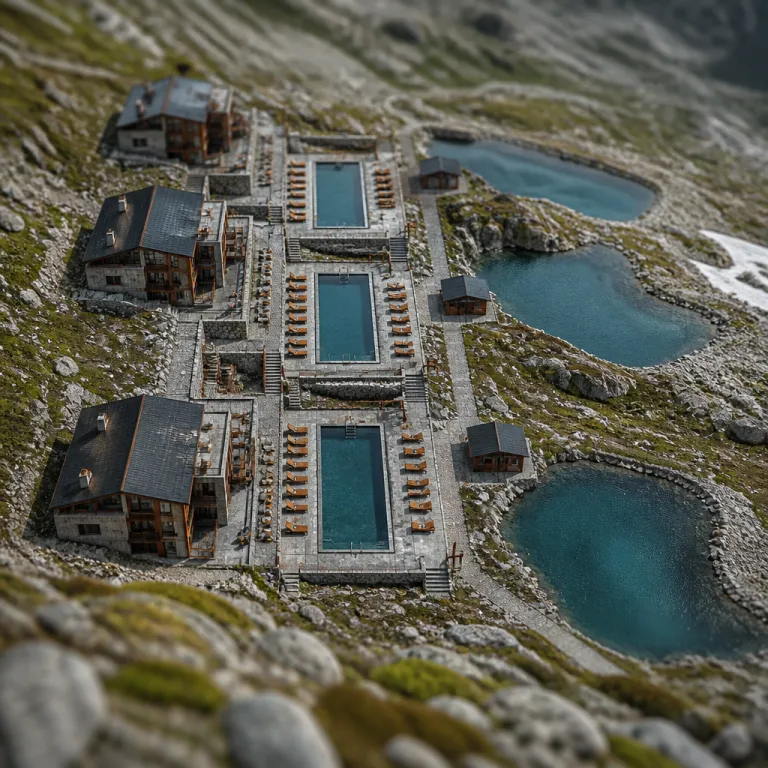
Some of the most compelling alpine retreats with natural swimming pools are those that treat water as the main act, not a wellness afterthought. In South Tyrol, several family run properties have reshaped their grounds around a natural swimming pond, replacing a traditional chlorine swimming pool with reed filtered water and soft shorelines. These swimming ponds blur the line between designed pools and wild ponds, giving guests a bathing experience that feels both curated and deeply natural.
Look for a pool hotel that offers direct lake access if you want to step from breakfast terrace to swimming pier in minutes. Around the big Austrian lakes such as Wolfgangsee or Wörthersee, a few discreet luxury addresses reserve private jetties for guests, pairing them with indoor pool facilities for days when the weather turns. In Tyrol, some mountain hotels without lakeside frontage compensate with guided natural swimming excursions, driving small groups 15–30 minutes to secluded bathing pond locations and arranging picnic lunches on the shore.
Design language has evolved as quickly as guest expectations. Infinity edges now frame mountain views rather than city skylines, and outdoor pools are often positioned to mirror the line of a nearby river or glacier. Counter current systems, like the training pool with a counter current system at Grace La Margna in St. Moritz, allow serious swimmers to train in compact spaces while still feeling part of the alpine landscape. Many properties also heat their outdoor pools to a pleasantly warm range, so guests can float comfortably while snow still clings to higher ridges.
For travellers who split their time between cultural events and cold water, it makes sense to align hotel choices with the summer festival circuit. Properties highlighted in guides to Alpine summer stages, such as those on stay in Alps resources about where to sleep between sets, often sit close to lakes or rivers that lend themselves to a pre concert swim. A typical day might involve a morning dip in a hotel’s natural pool, an afternoon cable car ride and hike, then an early evening swim before walking or taking a short shuttle to an open air concert. When comparing options, prioritise hotels that can offer both a refined spa and easy access to natural pools, so you can move from wild water to warm sauna without sacrificing comfort.
Designing with water: from natural pools to infinity edges
The new generation of alpine swimming and natural pool hotels is defined by how it handles water on site. Rather than hiding the pool behind the spa, architects now place natural pools and outdoor pools at the heart of the property, using them to choreograph how guests move through the landscape. The result is a more fluid relationship between hotel, nature, and the daily rhythm of swimming.
Natural swimming systems rely on planted regeneration zones instead of heavy chlorine, creating environmentally friendly pools where dragonflies share space with morning lap swimmers. In South Tyrol and neighbouring regions, you will often see the term South Tyrolean bathing pond used to describe these hybrid spaces, which feel like a mountain pond but function with the reliability of a swimming pool. For travellers sensitive to chemicals, this shift from conventional swimming pools to natural pools can be a decisive factor when booking, especially when hotels publish basic water quality data or maintenance schedules.
Indoors, design is becoming just as thoughtful. Many wellness hotel properties now pair an indoor pool with an adjacent outdoor pool, allowing guests to glide from warm interior water to bracing alpine air in a single length. Heated outdoor pools extend the season, making it realistic to swim year round even when snow lingers on the surrounding mountain slopes. In higher altitude resorts, indoor pools often open from early morning until late evening, so guests can time their laps around sunrise hikes or sunset aperitifs.
Quiet, off peak periods are when these water centric designs earn their premium. As explored in analyses of the Alps’ quietest hotels in July, the empty hours around midday or late evening turn a simple swimming pond into a private sanctuary. If you value solitude, consider travelling slightly outside peak dates and choosing a pool hotel that limits day visitors, so the bathing experience remains intimate and the crystal clear water stays calm. Guests who plan their swims for the first hour after breakfast or just before dinner often find the pool almost empty, even in popular regions.
Temperature, timing, and how to actually swim here
Understanding the temperature gradient is essential if you plan to swim rather than just admire the view. In many mid altitude alpine lakes between roughly 800 and 1,500 metres, surface water warms gradually through July, often reaching its most comfortable range by mid August, while deeper layers remain sharply colder. Rivers fed directly by glaciers stay frigid even in high summer, frequently hovering in the single digits Celsius, which is why many hotels steer guests towards safer, slower moving swimming ponds and natural pools.
For visitors used to tropical seas or heavily heated hotel pools, the first immersion can be a shock. Start with short dips in a sheltered bathing pond or a hotel’s heated outdoor pool, then progress to longer sessions in natural swimming spots as your body adapts. Many wellness hotel teams now offer guidance on cold water immersion, framing it as a healing practice that supports circulation, sleep, and overall wellness when approached gradually. Simple routines—such as two or three minutes in cool water followed by a warm shower or sauna—help guests build confidence without overexposure.
Practical preparation matters as much as romance. Pack lightweight neoprene booties for stony lake beds, a compact robe for the walk back to your room, and a dry bag if you plan to combine swimming with hiking. When you book, ask whether the property offers direct access to a swimming pond, an on site natural pool, or only a conventional indoor pool and outdoor pool, so your expectations match the reality. In some regions, designated bathing areas are only a 5–10 minute walk from the hotel, while others require a short shuttle or local bus ride.
Across both the Alps and North American mountain regions, operators are seeing the same pattern: a rise in eco tourism, increased demand for unique accommodations, and growth in adventure travel. Travel agencies and local tourism boards now routinely highlight water based activities alongside hiking and cycling, encouraging guests to book early during peak seasons and to pack appropriate gear for activities. For travellers using stay in Alps style planning tools, the most satisfying itineraries weave together alpine swimming hotels with natural pools, glacier lake excursions, and quiet evenings in spa lounges that feel like an extension of the surrounding nature.
FAQ
When is the best time to swim in alpine lakes and natural pools ?
Summer offers the most comfortable conditions for swimming in alpine lakes and hotel natural pools. Water temperatures usually become more tolerable from early July, with the warmest surface layers appearing by mid to late August. Outside this window, you can still swim, but you should treat it as a brief cold water immersion rather than a long bathing experience, and always check local advice on weather and water levels.
Are alpine swimming natural pools hotels suitable for couples who are not strong swimmers ?
Yes, many alpine swimming natural pools hotels are designed with gentle entry points, shallow zones, and clear safety information. If you are not a confident swimmer, prioritise properties with lifeguarded swimming pools where available, well marked swimming ponds, and easy access to indoor pool facilities. You can still enjoy the atmosphere by wading, using spa areas, or joining guided excursions that match your comfort level and remain close to shore.
Do these hotels offer guided wild swimming or only on site pools ?
Some hotels focus on their own natural pools and spa complexes, while others actively organise guided wild swimming excursions. In regions like Tyrol, South Tyrol, and lakeside Austria, it is common for concierges to arrange transfers to nearby lakes, rivers, or bathing pond locations with a local guide. Always ask in advance whether these activities are included, seasonal, or require private booking, and whether transport times fit comfortably around your planned hikes or cultural visits.
How cold is the water in alpine lakes during summer ?
Even in high summer, alpine lake temperatures are cooler than most coastal destinations. Mid altitude lakes can reach the high teens in degrees Celsius at the surface on warmer days, while deeper sections and glacier fed rivers remain significantly colder, often below 10°C. If you prefer warmer conditions, choose hotels with heated outdoor pools or natural swimming ponds that benefit from shallower, faster warming water and clearly posted temperature information.
Are these destinations and hotels family friendly or mainly for couples ?
Many properties that specialise in natural swimming and wellness welcome both couples and families. Some hotels provide separate zones or time slots so that romantic travellers can enjoy quieter pools while children use designated areas. When you book, check whether the hotel positions itself primarily as a wellness retreat for adults or as a mixed audience resort with family facilities, kids’ activity programmes, and child friendly pool depths.