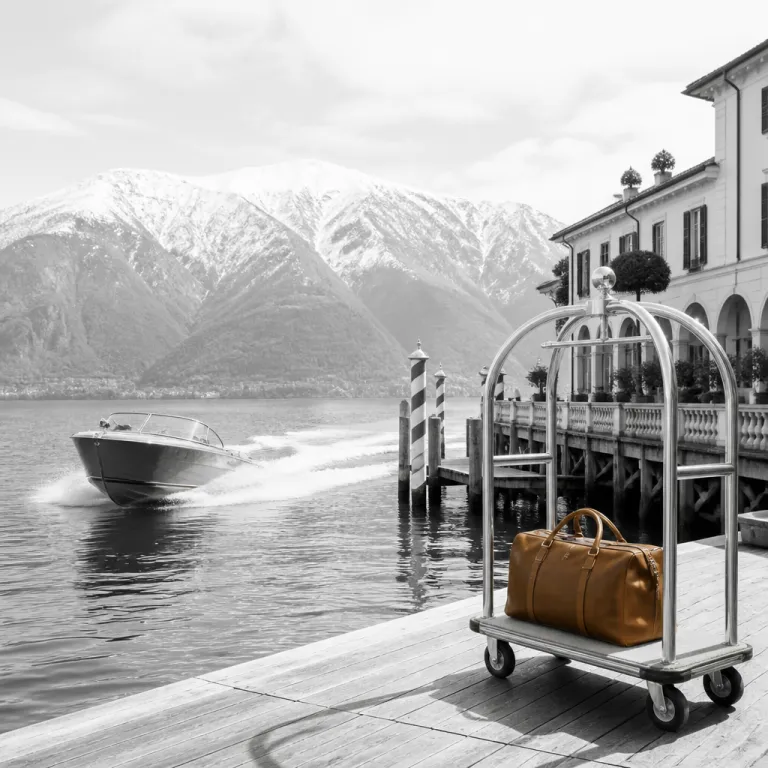
Understanding where Lake Como is in relation to the Alps
Lake Como lies in northern Italy, in the Lombardy region, framed by steep Alpine foothills. When travellers ask where is Lake Como, they are really asking how this glacial basin links the Italian Alps with the cultural heart of the country. The lake sits about 45 kilometres north of the city of Milan, close enough for efficient access yet far enough to feel distinctly Alpine in character.
Geographically, Lake Como is a deep glacial lake shaped like an inverted Y, with three long branches meeting near the town of Bellagio. Official hydrographic data from the Italian Istituto Superiore per la Protezione e la Ricerca Ambientale (ISPRA) and regional lake surveys report a surface area of around 146 km² and a maximum depth of about 425 metres, making Lake Como one of the deepest lakes in Europe. This dramatic depth and the surrounding mountains create a unique microclimate that feels softer than the higher Alps but still very much part of northern Italy.
The southern branch ends at the city of Como on one side and at Lecco on the other, both acting as gateways between Milan and the lake. When you plan a luxury stay in the Alps, understanding the Lake Como area helps you link lakeside relaxation with high altitude adventures in a single itinerary. Many premium hotel booking platforms now present Lake Como and nearby Alpine resorts together, because travellers increasingly combine a few nights by the lake with several nights in high mountain villages.
From a historical perspective, Lake Como developed as a prestigious retreat long before Alpine ski resorts became popular. The shoreline is lined with historic villas that once hosted aristocratic families from across Italy and Europe, and these estates still shape the character of the lake today. For travellers comparing top Alpine destinations, this Roman era heritage and later aristocratic presence give Lake Como a cultural depth that complements the raw natural drama of the higher peaks.
Key towns and villages around Lake Como for luxury stays
Understanding where is Lake Como also means understanding its key towns and villages, because each centre offers a different style of stay. The city of Como, at the southwestern tip, is the most urban choice, with grand hotels, designer shopping streets, and fast rail links to Milan. For travellers who want a lakeside base before heading into the Alps, Como city hotels provide efficient logistics and refined Italian hospitality.
Moving north along the western shore, Menaggio offers a quieter atmosphere, with elegant villas overlooking the lake and easy access to mountain hiking routes. Across the water, Varenna sits on a narrow strip of land, its pastel houses rising steeply from the shore and its lakeside promenade leading towards the famous Villa Monastero and its terraced gardens. The combination of Menaggio and Varenna creates a natural hub for travellers who want both romantic lakeside evenings and quick transfers to higher Alpine passes.
At the centre of the inverted Y, Bellagio occupies a privileged position where the three branches of Lake Como meet. This town is often described as the pearl of Lake Como, and its historic villas, cobbled lanes, and manicured gardens make it a favourite for premium hotel bookings. When you compare Bellagio with other Alpine villages, you notice that the focus here is on refined lakeside living rather than ski in ski out convenience, which suits travellers seeking spa suites, gourmet dining, and private boat tours.
For travellers interested in cold water swimming and Alpine wellness, Lake Como also pairs naturally with nearby mountain resorts that feature glacier fed pools and spa complexes. Guides to Alpine pools and glacier lakes worth booking around often highlight how a few nights in Varenna or Menaggio can be combined with high altitude spa hotels in Switzerland or the Italian Alps. This dual base strategy allows you to enjoy both the serenity of the lake and the invigorating climate of higher mountain destinations within a single, coherent itinerary.
How Lake Como connects with top Alpine destinations
When travellers research where is Lake Como in relation to the Alps, they usually want to know how easily they can combine both in one trip. The answer is reassuring for luxury guests, because the Lake Como area sits at a crossroads between Italian, Swiss, and French Alpine regions. From the city of Como or Lecco, you can reach major Alpine passes and resort towns within a few hours by car or private transfer.
For example, a guest might spend three nights in a lakeside villa near Bellagio, then move on to a high altitude hotel in St. Moritz or the Engadin valley. Driving from Bellagio to St. Moritz via Chiavenna and the Maloja Pass typically takes around three hours for a private transfer covering roughly 150 kilometres in summer conditions, making it a comfortable half day relocation. In winter, some high passes can close or require snow chains, so itineraries often route via tunnels or lower crossings instead. This pattern reflects a broader trend described in travel analyses of why the Alps beat the beach in August, where travellers choose cooler mountain climates over crowded coastal resorts. Lake Como fits perfectly into this strategy, offering a milder climate and refined atmosphere before or after more intense Alpine activities.
From Lecco, the road climbs quickly towards Valtellina and the high passes that link Italy with Switzerland, making it easy to connect lakeside stays with ski or hiking destinations. Menaggio, on the western shore, provides another route towards Lugano and the Swiss Alps, with transfers from Menaggio to Lugano often taking about one hour by car in normal traffic, which appeals to travellers who want to sample both Italian and Swiss hospitality standards in one journey. Because of these connections, many luxury booking websites now present Lake Como as part of a broader northern Italy and Alps circuit rather than as a standalone lake destination.
For guests focused on wellness and gastronomy, this circuit allows a progression from lakeside Michelin starred dining to mountain refuges and farm to table experiences in Alpine villages. The contrast between the manicured gardens of historic villas on Lake Como and the wildflower meadows of high altitude valleys creates a narrative that sophisticated travellers appreciate. In practice, this means you can wake up in a suite overlooking the lake, transfer through the Como–Lecco corridor, and arrive in a mountain spa hotel before evening.
Iconic villas and gardens that shape the Lake Como experience
Any serious answer to where is Lake Como must go beyond coordinates and address the cultural landscape created by its villas and gardens. Along the shores of Lake Como, historic villas form a continuous thread from the Roman era through the Renaissance and into the nineteenth century. These estates now host luxury hotels, museums, and private residences, and they define the visual identity of the lake.
On the western shore near Tremezzo, Villa Carlotta is renowned for its botanical gardens and art collections, and its terraced design offers sweeping views across the water towards Bellagio and Varenna. Nearby, the celebrated Villa del Balbianello occupies a promontory that has appeared in several films and remains one of the most photographed sites on Lake Como. Travellers staying in lakeside hotels often arrange private boat tours that circle these villas at sunset, combining cultural sightseeing with Champagne on deck.
On the opposite shore near Bellagio, Villa Melzi d’Eril, usually referred to as Villa Melzi, anchors a long lakeside promenade lined with exotic trees and sculptures. Further north in Varenna, Villa Monastero stretches along the water with a sequence of themed gardens, each framing the lake and surrounding mountains in a different way. These historic villas are not only attractions; they also influence the design language of modern luxury hotels, which often echo their neoclassical façades, stone balustrades, and symmetrical gardens.
High above Bellagio, the grounds of Villa Serbelloni dominate the headland where the three branches of Lake Como meet, offering some of the most commanding views in the entire area. Many travellers choose to stay in hotels that either occupy parts of these estates or reinterpret their style, because the combination of architecture, gardens, and lake views defines the essence of an Italian lakeside retreat. For guests planning a wider Alpine journey, these villas provide a cultural counterpoint to the more rustic charm of mountain chalets and high altitude lodges.
Moving around Lake Como by boat and planning logistics
Once you understand where is Lake Como on the map, the next question is how to move gracefully between its towns and villages. The most atmospheric way is by boat, and the public ferry system operated under the name Navigazione Laghi forms the backbone of local transport. Luxury travellers often combine scheduled ferries with private boat charters to balance efficiency and exclusivity.
The central triangle between Como, Bellagio, and Varenna is particularly well served, allowing you to stay in one town while easily visiting others. On the busiest routes, ferries typically run every 20–40 minutes in high season and less frequently in winter, so checking current timetables is essential. Routes linking Como–Bellagio and Como–Lecco make it straightforward to plan day trips or multi base stays, especially when your hotel concierge coordinates ferry schedules with private transfers. Many guests choose to explore Lake Como by alternating between public ferries for short hops and private boat tours for longer scenic circuits that include stops at Villa Carlotta, Villa Melzi, and Villa Monastero.
Isola Comacina, the only island on Lake Como, is another highlight often included in bespoke boat itineraries. Approaching this small island by boat gives a strong sense of the lake’s depth and the steepness of its surrounding slopes, reinforcing the impression that you are in a true Alpine basin rather than a lowland lake. For travellers who value privacy, chartered boats can also access discreet jetties belonging to certain villas and hotels, allowing direct lakeside arrivals without passing through busy town centres.
When planning logistics, it is wise to check the official website of Navigazione Laghi for current schedules, then share these details with your hotel so they can coordinate transfers. Many premium properties in the Lake Como area offer tailored arrival services, such as meeting guests at the ferry pier in Bellagio or arranging a private launch from the city of Como to a secluded villa. This level of coordination is particularly appreciated by guests who are combining Lake Como with Alpine resorts and need seamless timing between lake crossings and mountain transfers.
Best time to visit Lake Como and how it fits a wider itinerary
Seasonality plays a crucial role when you evaluate where is Lake Como within your broader travel calendar. The lake’s position in northern Italy, surrounded by mountains, creates distinct seasonal moods that influence both hotel availability and pricing. Many luxury travellers choose the shoulder months, especially April and late September, to enjoy mild temperatures and fewer crowds.
In April, the gardens of Villa Carlotta, Villa Melzi, and Villa Monastero burst into bloom, and the snow still visible on distant Alpine peaks creates a striking contrast with the fresh greenery at lakeside level. Late in the season, the light softens and the villages around the lake take on a quieter rhythm, which appeals to guests seeking a more contemplative atmosphere. These periods also align well with the opening and closing phases of many Alpine resorts, making it easier to combine a lake stay with early or late season mountain experiences.
During the height of summer, Lake Como becomes one of the most popular destinations in northern Italy, attracting visitors who appreciate its mix of Italian culture, Roman history, and Alpine scenery. The towns of Bellagio, Menaggio, and Varenna are lively, boat tours operate at full capacity, and lakeside terraces stay busy late into the evening. Travellers who prefer a calmer experience often choose to stay slightly outside the busiest centres, in villas or hotels with private gardens and direct lake access.
For those planning a luxury itinerary that includes both Lake Como and the Alps, it can be effective to start with a few nights by the lake before moving higher into the mountains. Detailed hotel reviews of properties in Como and along the central lake help you understand how a city based stay can still feel intimately connected to the water. As one concise expert summary puts it, “Lake Como is in northern Italy's Lombardy region, about 45 km north of Milan.”
Integrating Lake Como into a luxury Alps hotel booking strategy
For travellers using a premium hotel booking website focused on the Alps, the key is to treat Lake Como as both a destination and a gateway. Its location in northern Italy allows you to arrive via Milan, enjoy a few nights in a lakeside villa or city palace, then continue towards higher Alpine resorts without backtracking. This structure works particularly well for guests flying long haul, who appreciate a gentle lakeside start before tackling mountain roads and altitude.
When comparing top Alpine destinations, consider how each lake or mountain area contributes a different mood to your journey. Lake Como offers historic villas, manicured gardens, and refined Italian dining, while high altitude resorts provide crisp air, panoramic hikes, and winter sports. A well designed itinerary might include the city of Como for urban comforts, Bellagio or Varenna for romantic lakeside stays, and then one or two Alpine villages for more active days.
Hotel booking platforms that specialise in the Alps increasingly highlight properties around Lake Como because they understand this complementary relationship. They often curate collections that group lakeside villas, lakeside city hotels, and mountain lodges under a single northern Italy and Alps theme, making it easier to compare options. For the traveller, this means you can filter by features such as private boat access, proximity to Navigazione Laghi piers, or ease of transfer to specific Alpine passes.
Ultimately, understanding where is Lake Como helps you unlock a more nuanced approach to luxury travel in this part of Europe. Instead of choosing between lake and mountain, you can design a layered journey that moves from Roman influenced lakeside towns to contemporary Alpine wellness retreats. With careful planning and the support of a specialised booking website, Lake Como becomes the elegant hinge that connects Italy’s most atmospheric waters with its most dramatic peaks.
Key figures about Lake Como and its setting
- Lake Como covers roughly 146 km² of surface area, making it one of the largest lakes in Italy and allowing for a wide variety of towns and villages along its shores (ISPRA National Hydrographic Database; World Water Database).
- The maximum depth of Lake Como reaches about 425 metres, which places it among the deepest lakes in Europe and contributes to its distinctive microclimate compared with higher Alpine lakes (ISPRA bathymetric surveys; World Water Database).
- The lake sits at an elevation of around 198 metres above sea level, lower than many Alpine resorts, which explains its milder temperatures and longer season for lakeside hotel operations (ISPRA and regional hydrological data).
- The distance from Milan to the city of Como is approximately 45 kilometres, enabling efficient transfers that make Lake Como a practical first or last stop in a wider Alps focused itinerary (regional transport and infrastructure data).
FAQ about Lake Como and luxury Alps itineraries
Where exactly is Lake Como located ?
Lake Como lies in the Lombardy region of northern Italy, about 45 kilometres north of Milan and close to the foothills of the Alps. Its inverted Y shape stretches between the city of Como, Lecco, and the central area around Bellagio. This position makes it easy to combine with both Italian and Swiss Alpine destinations.
How does Lake Como compare with Alpine lakes for luxury stays ?
Lake Como sits at a lower elevation than many Alpine lakes, which gives it a longer season for lakeside dining, boating, and garden visits. The presence of historic villas such as Villa Carlotta, Villa Melzi, and Villa Monastero adds a cultural dimension that many high mountain lakes lack. For travellers, this means Lake Como often serves as the refined, heritage rich counterpart to more rugged Alpine resorts.
Which towns around Lake Como are best for a first visit ?
For a first stay, many travellers choose the city of Como for easy access, Bellagio for central location and atmosphere, and Varenna or Menaggio for a slightly quieter feel. These towns are well connected by Navigazione Laghi ferries, so you can visit several even on a short trip. Each offers a different balance of lakeside promenades, historic centres, and access to nearby mountains.
Is it realistic to combine Lake Como with an Alps ski or hiking holiday ?
Combining Lake Como with an Alps focused holiday is not only realistic but increasingly common among luxury travellers. From Como or Lecco, road and rail links lead quickly towards major passes and resorts in both Italy and Switzerland. Many guests spend a few nights by the lake to adjust after a flight, then continue to high altitude hotels for skiing or summer hiking.
When is the best time of year to visit Lake Como as part of an Alps itinerary ?
Spring and early autumn, especially April and late September, are ideal for combining Lake Como with Alpine destinations. During these periods, the lake’s gardens are at their best, and mountain trails or ski slopes in nearby regions are often open. High summer works well too, but travellers who prefer quieter towns and more moderate temperatures usually favour the shoulder seasons.