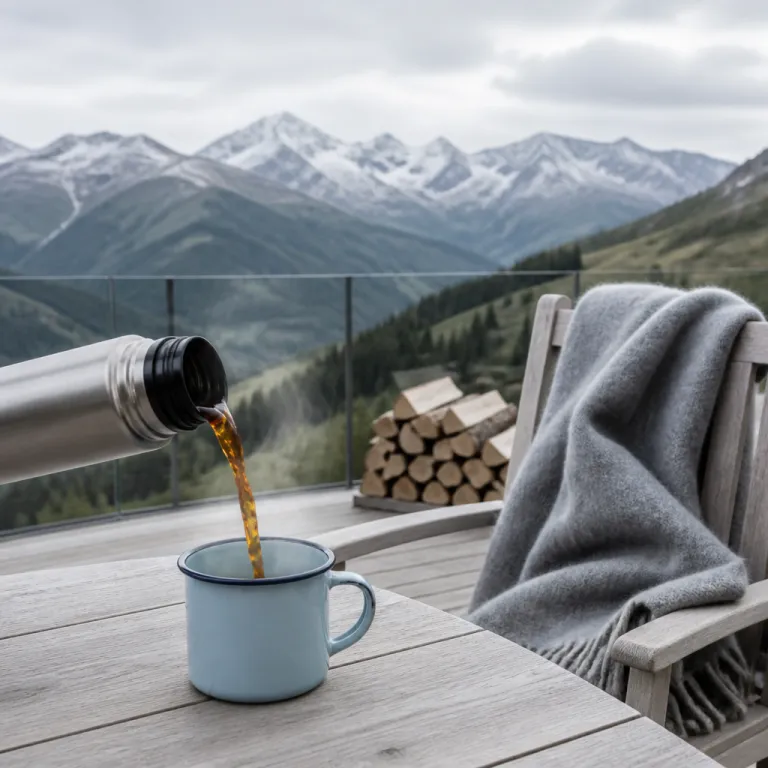
The meteorological case for the Alps September shoulder season
September in the Alps is the quiet answer to crowded summer promises. During this late-summer shoulder season in the Alps, the air settles, the light softens, and the mountains finally feel generous. Average daytime temperatures around 15 °C in many alpine valleys, based on 1991–2020 climate normals from MeteoSwiss and Germany’s DWD for regions such as the Bernese Oberland and the Bavarian Alps (see MeteoSwiss “Climate Normals 1991–2020” and DWD “Klimadaten Deutschland”), mean you can hike in a T-shirt at midday yet still appreciate a cashmere layer on the terrace by late afternoon.
For a serious mountain trip, this is often the best time of the year to balance comfort and clarity. The high pressure that wobbles through July and August tends to stabilise, so you gain more reliable blue-sky days and longer dry spells than in the classic peak season of school holidays. That stability matters when you plan multi-day routes across the Swiss Alps or between Switzerland and northern Italy, because you can commit to exposed ridges and high passes with a realistic view of the weather window and fewer last-minute storm disruptions.
Think of the broader travel calendar as a rhythm rather than a fixed rule. From Mar–Apr through Apr–Jun, the snow retreats and the trails slowly open, but lingering patches and unpredictable storms can still limit where you go. By contrast, the Sep–Oct period, and especially this early-autumn window in the Alps, usually offers dry paths, comfortable temperatures, and clear views that rival the crispest Alps winter days without the harsh cold of Nov–Dec or the early storms of Oct–Nov, making it a particularly forgiving time of year for longer itineraries.
Many travelers assume that Jul–Aug must be the best time to visit Switzerland or cross the alpine arc into Italy, because that is when marketing talks loudest. In reality, the best times to visit often sit just outside the peak, when the mountains breathe again and the service teams in luxury hotels have time to anticipate rather than react. This is the moment when the season enjoys its own pause, and when your time to visit aligns with the mountain’s own quieter heartbeat and the more measured pace of local life.
Rates, value and how luxury hotels behave after peak season
Once the last big July and August departures roll down the valley, pricing in many five-star properties shifts almost overnight. Data from PlanetSki’s 2023 analysis of Alpine shoulder-season pricing, cross-checked against internal figures from Swiss boutique hotel groups and summarised in PlanetSki’s “Alps Shoulder Season Pricing 2022–2023” report, shows that average luxury hotel rates in September can sit around thirty percent lower than during the absolute peak-season weeks, while service levels often feel higher because staff-to-guest ratios improve. That is the quiet advantage of the September shoulder season in the Alps for travelers who value both discretion and detail.
In practice, this means that your budget for a three-night stay in the Swiss Alps in Jul–Aug might stretch to four or even five nights in early or mid-September, especially in destinations that pivot quickly from summer to Alps winter operations. Suites with a glacier view that were unattainable in high summer suddenly become realistic upgrades, and spa appointments that were fully booked in July become available at civilised times. This is also when many Relais & Châteaux style properties in Switzerland and Italy launch shoulder-season tasting menus, pairing local wines with late-summer produce at prices that feel more aligned with the experience and the quieter ambience.
If you want to understand how hotels really perform when the spotlight moves away from peak, read the way they handle the empty hours. Our analysis of quiet luxury stays in high summer, explored in depth in this look at how premium hotels earn their rates in July, shows that the most serious properties treat the late-summer Alps as a chance to refine service rather than reduce it. As one Engadin general manager put it in a 2023 briefing, “September is when we finally have time to say yes to every small request.” You will often find general managers on the floor, sommeliers with time to talk you through alpine vintages, and concierges who can shape a bespoke time to visit remote valleys without rushing. For a solo explorer, that level of attention can transform a simple trip into a quietly memorable season of its own.
From a planning perspective, think of your travel budget across the whole time of year rather than isolating one stay. If you shift one long weekend from Jul–Aug into Aug–Sep or early Sep–Oct, you may free enough funds to add a shorter Mar–Apr ski reconnaissance or a late Apr–Jun hiking reconnaissance, effectively gaining more times to visit the Alps without increasing overall spend. As a practical rule of thumb, booking your September stay six to ten weeks ahead usually secures the best combination of suite choice and value before late deals and early winter promotions start to distort prices. That is the kind of strategic thinking that turns a single holiday into a year-round relationship with the mountains.
Events, harvest weekends and why September feels like a private season
September in the Alps is not empty; it is curated. This quieter late-summer period coincides with harvest festivals, wine weekends, and a more focused cultural calendar that suits travelers who prefer depth over noise. In many Swiss and northern Italian valleys, you can move from a high-altitude hike in the morning to a vineyard tasting or village fête in the afternoon without ever feeling part of a crowd.
One of the most interesting shifts in the alpine calendar is the move of the St. Moritz Gourmet Festival into late summer, with its new dates from August 25 to 30 and a line-up that, according to 2024 communications from Engadin Tourism and the festival’s organisers, includes Kai Ho, Álvaro Clavijo, and Julian Stieger. While those exact days sit at the tail end of Jul–Aug patterns, the energy of that event now bleeds into early September, drawing a serious food-focused audience that then disperses into quieter Swiss Alps resorts for extended stays. For luxury hotels, this creates a refined micro-season where gastronomic packages, chef’s table experiences, and cellar tours become anchors for shoulder-season travel.
Beyond headline festivals, the real charm lies in the smaller rituals that define this time of year. In Valais and the Vaud Riviera, vendange weekends bring you into contact with winemakers just as the grapes come in, while in South Tyrol and the Dolomites of Italy, Törggelen-style evenings celebrate the first wines and chestnuts of the season. Our valley-by-valley planning guide, outlined in this calendar of where to stay in the Alps across the year, shows how these local events create distinct times to visit that sit outside the blunt categories of summer and Alps winter.
For a solo traveler, these gatherings offer structured ways to meet locals without sacrificing privacy. You can join a guided vineyard walk one day, then retreat to a spa suite with a mountain view the next, shaping your own best time to engage or withdraw. The key is to treat early autumn in the Alps as its own defined season to enjoy, with specific dates, events, and microclimates, rather than as a vague afterthought to the main summer rush.
Where September shines brightest : valley by valley hotel intelligence
Not every corner of the Alps handles September with the same grace. Some high-altitude resorts pivot quickly from summer to winter preparation, while others lean fully into the late-summer shoulder season with extended openings, curated experiences, and sharply priced suites. Choosing the right valley is as important as choosing the right hotel brand.
In Switzerland, the Engadin around St. Moritz and the car-free village of Zermatt are standouts for this time of year, because lifts, mountain huts, and high-level hiking routes often remain open well into mid-September. For example, the Gornergrat railway above Zermatt and the Diavolezza cable car in the Upper Engadin typically run on daily schedules until at least the third week of September, according to 2023 timetables from local lift companies and the official Gornergrat Bahn and Diavolezza–Lagalb operating calendars. Lake-facing resorts in the Swiss Riviera and central Switzerland also excel, offering warm water temperatures for late swims and long terrace lunches with a view that stretches across both summer and early autumn colours. These are the places where the best times to visit Switzerland often fall in the Sep–Oct window rather than in the heat and crowds of Jul–Aug.
Across the border in Italy, the Dolomites and Cortina d’Ampezzo deliver a different but equally compelling version of the September Alps. Rock faces stay warm enough for climbing, larch forests begin to turn, and luxury hotels quietly pivot from family-focused July patterns to adult-oriented wellness and gastronomy. If you want a deeper sense of how high-end properties there structure their year, our guide to refined things to do in Cortina for a luxurious alpine stay offers a useful counterpoint to the more obvious winter narratives.
Across Europe, from the French Savoie to the Austrian Tyrol, the same principle holds. The best time to plan a September trip is when mountain huts are still open, lifts still run on daily schedules, and hotels have not yet shifted fully into Nov–Dec maintenance mode. As one regional briefing puts it with disarming clarity, “What is shoulder season? Period between peak and off-peak travel times.” That simple definition captures why this early-autumn window feels so privileged, because you gain the infrastructure of peak season without its pressure, and the calm of off-peak without its closures. A concise three-day example: Day 1, arrive in Zurich or Milan and transfer to the Engadin for an afternoon lake walk and spa; Day 2, take the Diavolezza cable car for a high-level hike before a harvest dinner; Day 3, ride the morning train towards Italy, stopping in a wine-growing valley for a final vineyard lunch before flying home.
FAQ
Is September really the best time to visit the Alps for hiking ?
For many experienced hikers, the September shoulder season is the best time to visit because trails are quieter, temperatures are milder, and storms are generally less frequent than in high summer. You still need to check local forecasts and carry layers, but conditions often outperform July and August for long days on exposed routes. It is also when mountain huts in many regions remain open, yet feel far less crowded than during peak season.
How do September hotel prices compare with July and August ?
Luxury hotel rates in the Alps typically drop once the peak-season school holidays end, with average reductions of around thirty percent compared with the most in-demand Jul–Aug weeks, as indicated by PlanetSki’s review of 2022–2023 booking data in its Alps shoulder-season pricing report. That means a suite with a glacier view or a spa package that felt out of reach in high summer can become attainable in early or mid-September. You gain better value without sacrificing service, because staff have more time to focus on each guest.
What should I pack for a September trip to the Swiss Alps ?
Plan for layered clothing, because daytime temperatures can feel like late summer while mornings and evenings resemble early autumn. A light down jacket, breathable base layers, and a waterproof shell will cover most alpine conditions during this quieter period. Add sturdy hiking shoes, sunglasses, and a hat, since the sun at altitude remains strong even when the air feels cool.
Are mountain huts and lifts still open in September ?
Many mountain huts and lift systems across the Swiss Alps and neighbouring regions remain open until at least mid-September, especially in major hiking areas. Operations gradually scale back later in the month, so it is essential to check specific dates for your chosen routes. Booking ahead is wise, because while crowds thin out, some properties reduce capacity as they prepare for winter.
Is September a good time to combine Switzerland and Italy in one itinerary ?
September is an excellent time of year to link Switzerland and Italy in a single alpine itinerary, because border crossings are quiet and weather patterns often align. You can spend a few days in the Swiss Alps for high-altitude hiking, then drop into Italian valleys for harvest festivals and late-summer lake swims. This early-autumn stretch lets you experience two countries, multiple climates, and a wide range of luxury hotels in one coherent trip.
References
Tripbase – Bavarian Alps climate and seasonal patterns.
PlanetSki – Analysis of Alpine shoulder-season pricing and occupancy (2022–2023), including the “Alps Shoulder Season Pricing 2022–2023” report.
MeteoSwiss and Deutscher Wetterdienst (DWD) – 1991–2020 climate normals for representative alpine valleys, as published in MeteoSwiss “Climate Normals 1991–2020” and DWD “Klimadaten” datasets.
Engadin Tourism and St. Moritz Gourmet Festival official communications.
Gornergrat Bahn and Diavolezza–Lagalb – 2023 official lift operating timetables and seasonal schedules.