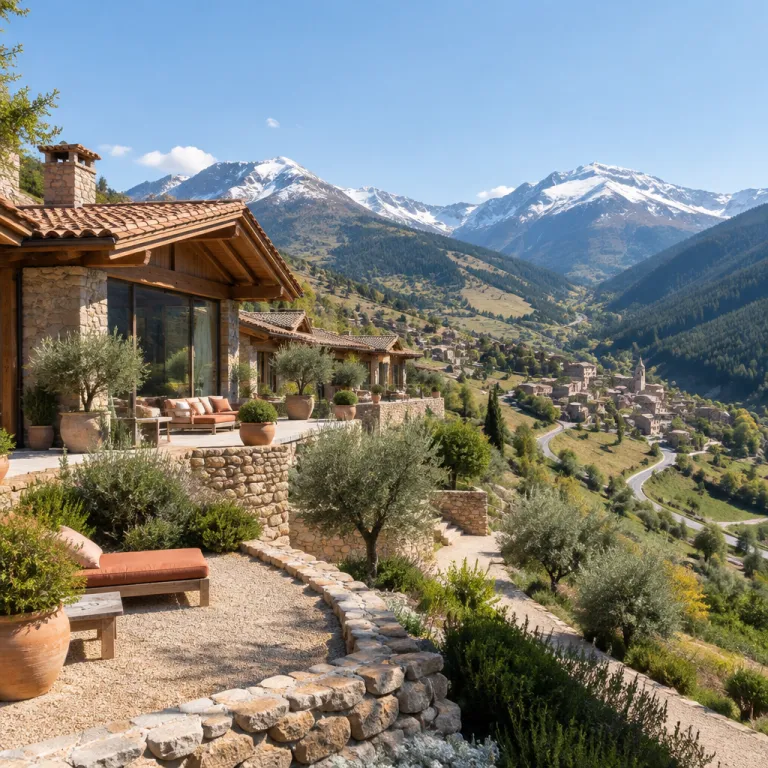
Understanding where the French Alps are and how they shape your trip
To understand where the French Alps are, start with a map of Europe and trace the great mountain chain that arcs from France to Slovenia. The French section of these Alps stretches along the eastern border of France, touching the frontiers with Switzerland and Italy, and it forms a dramatic alpine wall that rises from around 500 metres to well over 4 000 metres. This is the high country that frames your trip, from the gentle foothills above Paris-bound trains to the sharp mountain passes of Haute Maurienne and the Hautes-Alpes.
Geographically, the French Alps run from Lake Geneva in the north to the Provence-Alpes foothills near the Mediterranean, and they are divided into departments such as Haute-Savoie, Savoie, Isère, and the Hautes-Alpes. When travellers ask where the French Alps are in relation to major cities, the answer is reassuringly simple: high-speed trains link Paris to alpine hubs like Annecy, Chambéry, and Grenoble in a few hours, and from there private transfers sweep you into the high valleys. This clarity of access matters when you are planning luxury stays, because it shapes how many days you can actually spend on the slopes or beside a lake.
The French alpine region is not a single uniform landscape but a mosaic of mountain massifs, national parks, spa towns, and glamorous ski areas. In the north, the Alps around Mont Blanc and Chamonix offer the highest peaks in France, while further south the Provence-Alpes transition towards lavender fields and sunlit vineyards. Understanding where the French Alps sit within this broader mountain range helps you choose between high-altitude winter snow reliability, serene lake retreats, or quieter national park escapes in the Parc national des Écrins.
From Paris to peaks: how to reach key French alpine gateways
Once you know where the French Alps are on the map, the next question is how to reach them smoothly from Paris or other European hubs. High-speed TGV services link Paris to Annecy, Grenoble, and Chambéry, placing you within a couple of hours of major ski areas and national parks at altitudes above 1 500 metres. For a luxury trip, many travellers combine first-class rail with chauffeured transfers that climb the final mountain passes to resorts such as Courchevel, Méribel, or Chamonix.
Air access to the French Alps is anchored by Lyon, Geneva, and sometimes Milan, all of which sit close to the France–Switzerland and Italian borders. From Geneva, you can reach Haute-Savoie resorts like Megève or the Mont Blanc valley in under two hours, while Lyon opens the way to the Hautes-Alpes and the southern Provence-Alpes sector. If you are planning several days of skiing and spa time, consider private transfers that allow you to appreciate the alpine scenery, the lake shores, and historic towns such as Aix-les-Bains along the route.
For travellers combining different parts of the wider Alps, it is worth pairing French resorts with Swiss destinations using curated itineraries such as this guide on how to get to Zermatt in style for a luxury alpine stay. This cross-border approach highlights how the French Alps sector connects seamlessly with France–Switzerland corridors, especially around Lake Geneva and the Mont Blanc massif. When you understand where the French Alps are in relation to airports, rail lines, and mountain passes, you can design a trip that maximises time on the slopes and minimises time in transit.
Iconic northern French Alps: Mont Blanc, Chamonix, and the great lakes
The northern French Alps are anchored by the Mont Blanc massif, which rises to 4 808 metres and dominates the skyline above Chamonix. This is the area most travellers picture when they ask where the French Alps are, because the mountain range here feels almost vertical, with glaciers, aiguilles, and legendary ski areas. Luxury hotels in Chamonix and nearby Megève offer direct access to high-altitude slopes, heli-skiing experiences, and refined spa facilities for deep winter relaxation.
To the west of the Mont Blanc massif lies Lake Annecy, often described as one of the purest lakes in Europe, framed by the lower Alps of Haute-Savoie. The town of Annecy combines medieval streets with a vibrant culinary scene, and luxury lakeside hotels here are ideal for guests who want both alpine scenery and gentle water-based activities. When you stand on the promenade of Lake Annecy, you understand where the French Alps are in relation to the prealps and the high mountain walls that rise in the distance.
Further north, Lake Geneva forms a natural border between France–Switzerland, with French spa towns such as Évian-les-Bains and Thonon-les-Bains lining the southern shore. This is a softer expression of the French alpine landscape, where vineyards and Belle Époque architecture meet views of snow-capped peaks. For travellers comparing different parts of the wider Alps, it can be helpful to read a broader overview such as this guide on where exactly the Swiss Alps are and which luxury destinations stand out, then decide how to balance time between national parks, lakes, and high slopes on your own itinerary.
Southern light: Hautes Alpes, Provence Alpes, and spa towns like Aix les Bains
South of the Mont Blanc region, the French Alps gradually shift character as you enter the Hautes-Alpes and the Provence-Alpes area. Here, the mountain range remains dramatic, with peaks often above 3 000 metres, but the light softens and the climate becomes sunnier, especially outside deep winter. Resorts such as Serre Chevalier and Montgenèvre offer extensive ski areas in colder months and hiking, cycling, and spa experiences during warmer days.
The Parc national des Écrins is one of the most important national parks in France, protecting glaciers, high mountain valleys, and wildlife such as ibex and golden eagles. Luxury lodges and premium hotels around La Grave and the Guisane valley provide discreet access to this national park, ideal for guests who value privacy and nature immersion. When you look at a map to understand where the French Alps are in this southern sector, you will see how close the Provence-Alpes foothills lie to the Mediterranean, making it easy to combine sea and alpine stays in a single trip.
On the northern edge of the Alps, spa towns such as Aix-les-Bains and Évian-les-Bains showcase another facet of the French mountain experience. These historic les bains destinations grew around thermal waters and elegant lakeside promenades, particularly along Lake Geneva and Lac du Bourget. For travellers who prefer wellness to slopes, a few days in Aix-les-Bains or another les bains town can be the perfect way to appreciate where the French Alps are in relation to both water and mountain landscapes.
Where luxury hotels cluster in the French Alps and how to choose
Luxury and premium hotels in the French Alps tend to cluster in a few key zones, each shaped by altitude, access, and landscape. In Haute-Savoie, the Mont Blanc valley and Megève offer grand chalets, five-star spa properties, and direct access to famous slopes that hosted events linked to the early Winter Olympics. Further south, the Tarentaise valley concentrates some of the largest linked ski areas in Europe, including Les Trois Vallées and Paradiski, where high-end hotels sit directly on the slopes at 1 800 to 2 300 metres.
Understanding where the French Alps are in relation to these valleys helps you decide between altitude and atmosphere. High-altitude resorts such as Val Thorens or Tignes offer excellent winter snow reliability and long seasons, while lower villages like Megève or Morzine provide more traditional architecture and easier access to lake and forest walks. If you are drawn to iconic peaks beyond France, you might also consider a stay in Cervinia with Matterhorn views, using curated resources such as this guide to refined alpine comfort and Matterhorn-facing hotels to compare experiences across the wider Alps.
Luxury travellers often ask how the legacy of the Olympic Games and the Winter Olympics has shaped the French alpine hospitality scene. Former host resorts such as Albertville’s satellite villages and Chamonix invested heavily in infrastructure, lifts, and accommodation, which now benefit guests seeking both heritage and comfort. When you map where the French Alps are against these historic venues, you see a corridor of excellence running from Lake Geneva through the Tarentaise and into the Hautes-Alpes, with premium hotels positioned to make the most of this sporting and cultural legacy.
National parks, winter sports heritage, and cross border alpine itineraries
The French Alps host several major national parks, including Vanoise, Écrins, and Mercantour, each preserving a distinct slice of the mountain range. Vanoise, often linked with the Italian Gran Paradiso, protects high alpine plateaus and wildlife above 2 000 metres, while Écrins is known for its rugged peaks and glaciers. When you understand where the French Alps are in relation to these national parks, you can choose luxury lodges that offer guided access to wild landscapes without sacrificing comfort.
The region’s role in the history of the Olympic Games and the Winter Olympics has also shaped its identity. Chamonix hosted the first Winter Games, and later events in the wider Alps reinforced the area’s reputation for world-class slopes and ski areas. Today, guests can ski former Olympic runs, tour Mont Blanc by helicopter, or follow parts of the famous Tour Mont Blanc trekking route in summer, all while staying in hotels that blend heritage with contemporary design.
Cross-border itineraries are increasingly popular among luxury travellers who want to experience both the French Alps and neighbouring France–Switzerland or Italian regions in a single trip. A typical route might start around Lake Geneva and Évian-les-Bains, continue through Haute-Savoie and the Mont Blanc tunnel, then link to Swiss resorts or Italian valleys over high mountain passes. By understanding precisely where the French Alps are within this transalpine network, you can plan several days that move elegantly between lake shores, national park trails, and high-altitude winter sports hubs.
Planning your days in the French Alps: seasons, metres of altitude, and ideal stays
When planning how many days to spend in the French Alps, start by considering altitude in metres and your preferred activities. For a focused winter ski trip, five to seven days in a single resort at 1 800 to 2 300 metres usually balances travel time with meaningful time on the slopes. Guests who want both lake relaxation and mountain adventure often split their stay between Lake Annecy or Lake Geneva and a higher alpine village in Haute-Savoie or the Hautes-Alpes.
Seasonality is crucial when you think about where the French Alps are in relation to weather systems and snow patterns. Northern sectors around Mont Blanc and Chamonix tend to hold snow longer, while southern Provence-Alpes valleys enjoy more sunshine and milder shoulder seasons that suit hiking and cycling. Luxury hotels in les bains spa towns or lakeside resorts often remain open year-round, allowing you to enjoy thermal waters, gastronomy, and cultural events even when high ski areas are quiet.
For travellers who value context and reliable information, organisations such as Atout France, the French national tourism agency, and the official websites of each parc national provide detailed updates on access, conservation, and seasonal highlights. Their data helps you align your preferred style of stay with the specific part of the French Alps that suits you best, whether that is a quiet valley near a national park or a lively resort shaped by the legacy of the Olympic Games. By matching your expectations to where the French Alps are on the map, in altitude, and in relation to lakes, towns, and mountain passes, you ensure that every day of your journey feels both luxurious and well considered.
Key figures about the French Alps and luxury travel
- The Mont Blanc massif in the French Alps reaches 4 808 metres, making it the highest peak in France and in the entire Alps of Europe (figure widely cited by the Institut Géographique National, France).
- The Vanoise and Écrins national parks together protect roughly 450 000 hectares of alpine ecosystems, representing one of the largest contiguous protected mountain areas in Western Europe (approximate combined surface based on data from Parc national de la Vanoise and Parc national des Écrins).
- Major ski areas in the French Alps, such as Les Trois Vallées, offer around 600 kilometres of linked slopes, which is among the most extensive lift-connected ski terrains in the world (data reported by the Les Trois Vallées lift company).
- Lake Annecy welcomes roughly 2.5 million visitors per year, while the Lake Geneva region on the French side records more than 3 million overnight stays annually, with a significant share in four and five-star properties that combine lake access with proximity to the mountain range (indicative figures from regional tourism boards).
- High-speed rail connections between Paris and key French Alps gateways such as Annecy and Grenoble typically take around three to four hours, which makes long-weekend luxury stays in this alpine region feasible for international travellers arriving via Paris (based on SNCF travel times).
FAQ about where the French Alps are and how to book luxury stays
Where exactly are the French Alps located within France?
The French Alps occupy the eastern edge of France, running from the border with France–Switzerland near Lake Geneva down to the Provence-Alpes foothills close to the Mediterranean. They include departments such as Haute-Savoie, Savoie, Isère, and the Hautes-Alpes, and they form part of the larger Alps mountain range that spans several European countries. When you look at a map, you will see that the region lies roughly southeast of Paris, with easy access by rail and road.
How far are the French Alps from Paris for a short luxury trip?
By high-speed TGV, key gateways to the French Alps such as Annecy, Chambéry, and Grenoble are typically three to four hours from Paris. From these cities, private transfers or helicopter services can bring you to high-altitude resorts in an additional one to two hours, depending on the specific valley and mountain passes. This means a well-planned luxury trip can include two travel days and several full days on the slopes or by a lake.
Which part of the French Alps is best for lakeside luxury hotels?
For lakeside stays, the northern French Alps around Lake Annecy and Lake Geneva offer the widest choice of luxury hotels. Annecy, Évian-les-Bains, and other les bains towns combine lake views with easy access to nearby mountain trails and ski areas. These locations suit guests who want both water-based relaxation and quick transfers into the alpine valleys.
Where should I stay for access to Mont Blanc and Chamonix?
If your priority is the Mont Blanc massif, stay in or near Chamonix in Haute-Savoie. This valley sits directly beneath the highest peak in the Alps and offers cable cars, cog railways, and guided excursions that reach viewpoints above 3 000 metres. Luxury hotels here provide immediate access to famous slopes, the Tour Mont Blanc route, and cross-border links towards France–Switzerland and Italy.
Are the southern French Alps suitable for luxury travel outside winter?
Yes, the southern French Alps in the Hautes-Alpes and Provence-Alpes are excellent for luxury travel beyond the core winter season. Resorts and spa towns here benefit from more sunshine, making them ideal for hiking, cycling, and wellness-focused stays in and around national parks such as Écrins. Many high-end properties operate year-round, allowing guests to enjoy both mountain scenery and milder temperatures during spring and autumn days.