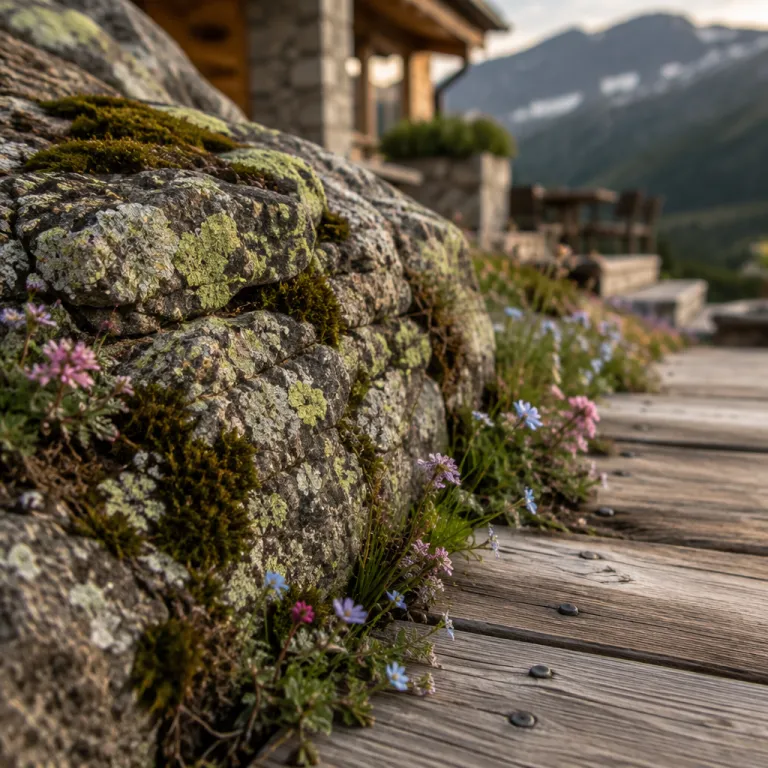
Choosing the right alpine region for a refined hiking escape
Planning a hiking holiday in the European Alps starts with choosing the right alpine region for your style. Luxury travellers often balance the wish for a quiet trail with easy access to a five star hotel, a gourmet restaurant, and a spa that will ease tired legs after a long day. When you select where to walk in the Alps, think about how many days you have, how high you want to go, and how close you prefer to stay to a lake, a village, or a cable car station.
The Bernese Oberland in Switzerland suits guests who want classic mountain panoramas and efficient transport for every hiking tour. Here you can spend one day on a gentle path above Grindelwald (typically graded T1–T2 on the Swiss hiking scale), then devote other days to a high altitude route between mountain huts while your luggage is transferred to your next luxury hotel. This region also works well for a first hiking adventure in the Alps, because you will experience reliable signage, frequent trains, and many options for guided hiking tours that start directly from premium properties such as the Victoria Jungfrau Grand Hotel in Interlaken or the Romantik Hotel Schweizerhof in Grindelwald.
For travellers who want a more Mediterranean feeling, the Italian Alps around South Tyrol and the Dolomites offer a different hiking experience. You can plan a route that combines limestone towers, vineyard visits, and a refined spa hotel in one trip, which makes this region ideal for couples who want both hiking and wellness. When you compare the Bernese Oberland with the Italian Alps, remember that the Swiss side usually offers shorter transfer time by train, while the Italian side often provides better value in luxury suites for multi day trekking holidays, with renowned properties such as Hotel Rosa Alpina in San Cassiano or the Forestis retreat above Brixen.
Signature adventure spots for day hikes from luxury hotels
Many guests prefer a base camp style trip, staying several days in one luxury property and taking a different day hike each morning. This approach works beautifully in the Alps, because high quality transport and well marked trails let you start a walk within minutes of leaving your hotel lobby. It also means you can enjoy a long dinner and a late breakfast without worrying about reaching distant mountain huts every night.
In the Bernese Oberland, a classic day hike runs from Männlichen to Kleine Scheidegg, where you will experience wide views of the Eiger, Mönch, and Jungfrau while walking on a broad trail suitable for most fitness levels. The route is usually rated easy, with around 350 metres of gentle descent and several benches and viewpoints along the way. Luxury hotels in Wengen and Grindelwald can arrange private hiking tours with a guide who adapts the pace and the time on the trail to your needs, which is ideal if you are new to mountain walking in the European Alps. Families often choose these tours because children can enjoy the adventure of a high mountain path without facing exposed sections or very steep climbs, and reputable local guiding outfits such as Bergführer Grindelwald or Alpine school Wengen can be booked directly through your concierge.
Winter guests who return in summer sometimes combine hiking with other soft adventure activities in the same region. If you enjoyed refined winter thrills such as the Lech sledge run for elegant winter stays, you may appreciate how the same valleys transform into green meadows and quiet hiking trails. In Austria, many premium hotels now offer guided hiking tours that start directly from the door, so you can move from a gourmet breakfast to a panoramic hike and back to the spa in a single day without any logistical stress. Typical summer seasons run from late June to late September, with July and August offering the most reliable conditions for higher routes.
Using cable cars and lifts to reach high altitude trails in comfort
One of the greatest advantages of hiking in the European Alps is the dense network of lifts and cable cars. These systems allow you to reach high altitude viewpoints in a short time, which is especially valuable when you only have a few days for your trip. For luxury travellers, this means you can enjoy a demanding mountain hike during the day and still return to a refined dinner in the evening without feeling rushed.
In Chamonix, the Aiguille du Midi cable car carries you from the valley floor to over 3 800 metres, where you will experience close up views of Mont Blanc and the surrounding peaks. From intermediate stations, you can choose a moderate day hike on a balcony trail, or join a guided hiking tour that includes glacier views and a lunch stop in one of the traditional mountain huts. Guests who plan a longer hiking adventure often combine a tour around Mont Blanc with several nights in luxury hotels in Chamonix, Courmayeur, and other villages on the France Italy and Italy Switzerland travel axis, staying in properties such as Héliopic Hotel & Spa in Chamonix or the Grand Hotel Royal e Golf in Courmayeur.
Summer lift systems also shape how you plan your Alps hiking itinerary. Many resorts now promote the cable car as a shortcut that launches summer adventures, and you can read more about this approach in a dedicated guide to the cable car shortcut for alpine summer adventures. When you design your hiking tours, check first and last lift times for each day, because this will determine whether you can complete a loop hike or should plan an out and back trail that returns to the same station. Lift passes are often bundled with guest cards from upscale hotels, so ask at reception before buying individual tickets.
Cross border hiking tours between Germany, Italy, and Switzerland
Many of the most memorable hiking tours in the Alps cross at least one border, which adds cultural variety to your trip. A classic example is the Tour du Mont Blanc, often shortened to a tour around Mont Blanc, which links France, Italy, and Switzerland in a multi day trekking circuit. Luxury travellers can adapt this tour around Mont Blanc into a series of curated day hikes, staying in premium hotels instead of mountain huts while still enjoying the same alpine scenery, and official route descriptions from regional tourism offices confirm a total distance of roughly 170 kilometres with around 10 000 metres of ascent.
On the northern side of the range, the border between Germany and Austria offers gentle options for guests who prefer lower altitude trails. You might spend several days in a luxury hotel near Garmisch Partenkirchen in Germany, then cross into Tyrol for a hike that features green pastures, a quiet lake, and views of the Zugspitze. This Germany Italy corridor also connects easily by rail to South Tyrol, where the Italian Alps provide a different style of hospitality, with strong culinary traditions and a focus on wellness after a long day on the trail.
Further west, the Italy Switzerland frontier around the Valais and Aosta Valley is ideal for guests who want a high altitude hiking adventure without committing to a full expedition. Here you can plan a tour that links Zermatt, Cervinia, and nearby valleys, using lifts to reach panoramic balconies while staying in five star hotels each night. When you compare these cross border regions, think about how much time you want to spend travelling between bases, because shorter transfers usually mean more time on the trail and less time in transit. As a rule of thumb, aim for rail or road journeys of under four hours between major stops to keep the trip feeling relaxed.
Lakeside luxury and soft hiking near the water
Not every guest wants a steep mountain trail every day, and lakeside regions offer a softer style of hiking in the European Alps. Around Lake Como, Lake Geneva, and Lake Annecy, you can combine gentle lakeside walks with occasional high altitude excursions reached by cable car or funicular. This balance works especially well for multi generational trips, where some travellers prefer a relaxed day by the water while others head into the mountains for a more demanding hike.
Lake Como is a prime example of how a refined lakeside base can support varied hiking tours in the surrounding Italian Alps. From a luxury hotel on the shore, you can take a short boat ride to a village trailhead, then follow a balcony path that overlooks the lake and returns in time for an evening aperitivo. For a deeper look at how to structure such a stay, consult a refined travel guide that explains elegant ways to enjoy Lake Como as a luxury Alps guest, and then adapt its suggestions to your own hiking adventure.
Other lakes in the Alps also pair well with hiking tours that start and end at premium hotels. Around Lake Geneva, you can ride a train to a nearby alpine region in the morning, complete a half day hike above vineyards or forests, and return to a lakeside spa by late afternoon. When planning such trips, remember that hiking boots are still essential even for easier trails, because lakeside paths can be slippery after rain and you will experience more comfort with proper footwear over several days. Simple extras such as lightweight trekking poles and a compact daypack make these softer routes even more enjoyable.
How luxury hotels support safe and comfortable hiking adventures
Choosing the right luxury or premium hotel in the Alps can transform a simple hike into a seamless mountain adventure. High end properties increasingly offer dedicated hiking concierges who help you select the right trail for the weather, your fitness, and the time you have each day. Many hotels also provide loan equipment such as hiking poles, detailed trail maps, and even transfers to and from remote trailheads.
For guests planning a multi day hiking tour, luggage transfer services are a key advantage. Instead of carrying a heavy pack between mountain huts, you can hike with only a light day bag while your main suitcase moves between hotels in the Bernese Oberland, the Italian Alps, or other regions. This approach works especially well for couples or families who want to walk in the Alps during the day but still enjoy spacious suites, fine dining, and spa treatments each evening. Typical luggage services cost a modest supplement per stage and can be arranged at the time of booking.
Safety support is another reason to book carefully selected luxury properties when exploring the European Alps. Staff can advise on high altitude acclimatisation, arrange private guides for more demanding trails, and help you adjust your plans if the weather changes suddenly. When you pack, bring well broken in hiking boots, layered clothing for rapid temperature shifts, and a small first aid kit, because even the best hotel cannot replace basic preparation once you are on the trail. A simple checklist that includes sun protection, a refillable water bottle, and a paper map or offline app download will make each outing more secure.
Designing your personalised hiking European Alps itinerary
Creating a personalised itinerary for hiking in the European Alps starts with a clear view of your priorities. Decide how many days you want to spend in each region, whether you prefer a single base or a multi stop trip, and how much high altitude hiking you feel comfortable attempting. From there, you can match specific trails, cable car rides, and lake excursions to the luxury hotels that best fit your style.
One popular pattern is to combine three or four Alps days in the Bernese Oberland with several days in the Italian Alps, linked by a scenic rail journey. During the first part of the trip, you might focus on classic balcony trails and a day hike that uses lifts to reach viewpoints above Grindelwald or Mürren. In the second part, you could shift to softer trails among vineyards and chestnut forests, with one or two higher routes that frame Mont Blanc or the Matterhorn from a different angle. A concrete example is a seven day itinerary that starts with three nights in Grindelwald, including a 13 kilometre Männlichen to Kleine Scheidegg hike with about 350 metres of descent and a 35 minute train ride back to your hotel, followed by three nights in Courmayeur with a 12 kilometre balcony trail above Val Veny that gains roughly 600 metres, linked by a four hour rail journey via Spiez and Martigny plus a short transfer through the Mont Blanc tunnel.
Another option is to build your itinerary around a themed hiking tour, such as a circuit that follows historic trade routes between Germany Italy and Italy Switzerland. This kind of Alps hiking journey lets you experience varied cuisine, languages, and architecture while still enjoying the comfort of premium hotels each night. Whatever pattern you choose, plan at least one rest day without a formal hike, so that you can fully enjoy the spa, the pool, and the quiet luxury that make these alpine trips so memorable today. When plotting routes on a digital map, save key viewpoints, lift stations, and lunch spots in advance to simplify daily decisions.
Key figures for luxury hiking in the European Alps
- The European Alps extend for roughly 1 200 kilometres across eight countries, creating one of the largest continuous hiking regions in the world according to the Alpine Convention, which publishes regular reports on the state of the mountain range and its protected areas.
- Switzerland maintains more than 65 000 kilometres of marked hiking trails, and around one third of these routes are in high altitude terrain that often connects directly with lift systems and mountain huts, based on data from Switzerland Tourism and the official Swiss hiking trail network (Schweizer Wanderwege).
- The Tour du Mont Blanc covers about 170 kilometres with 10 000 metres of cumulative ascent, and many luxury travellers now complete selected stages as day hikes while staying in premium hotels, as reported by regional tourism boards and official route descriptions from the French, Italian, and Swiss sections of the trail.
- Lake Como receives several million visitors each year, and local tourism offices note a steady rise in guided hiking tours that start from lakeside hotels and reach nearby alpine viewpoints within a few hours, especially during the main season from May to October.
- Studies from the German Alpine Club (Deutscher Alpenverein) indicate that proper hiking boots reduce the risk of ankle injuries on mountain trails, which is especially relevant for guests combining challenging hikes with tight travel schedules and fixed hotel reservations.
FAQ about luxury hiking trips in the European Alps
How many days should I plan for a luxury hiking trip in the Alps ?
For a balanced experience, plan at least seven to ten days, which allows three or four days in one region and several days in another. This duration gives you time for a mix of day hikes, one or two high altitude excursions by cable car, and at least one rest day to enjoy your hotel facilities. Shorter trips are possible, but you will experience fewer trails and may feel rushed between transfers.
Do I need special equipment for hiking from luxury hotels ?
Even when you stay in premium properties, you still need solid hiking boots, layered clothing, and a small backpack for water and snacks. Many hotels can provide hiking poles, maps, and sometimes even light rain gear, but footwear and personal items remain your responsibility. For high altitude routes, consider packing gloves, a warm hat, and sunglasses, because weather can change quickly above 2 000 metres.
Can I combine spa treatments with demanding hiking tours ?
Yes, many luxury hotels in the Alps are designed specifically for guests who want both challenging hikes and extensive wellness facilities. A common pattern is to schedule a demanding day hike followed by a late afternoon spa session, which helps muscles recover before the next trail. When booking, look for properties that offer flexible dining times, so you are not rushed after returning from longer tours.
Is it safe to hike at high altitude if I am a beginner ?
Beginners can safely enjoy moderate high altitude trails if they start gradually, stay hydrated, and listen to their bodies. Use cable cars to gain height without overexertion, and choose routes with clear escape options back to the valley if you feel unwell. For very high routes or glacier areas, always hire a certified mountain guide arranged through your hotel.
Should I book guided hiking tours or explore on my own ?
Guided hiking tours are ideal if you are new to the region, travelling with family, or planning routes that involve complex navigation. Independent hiking works well on well marked trails near major resorts, especially if your hotel provides detailed maps and daily weather briefings. Many luxury travellers mix both approaches, booking guides for the most ambitious days and exploring easier trails alone on other days.